
Industries We Serve
Commercial Roofing
Harrisburg, PA
Harrisburg, PA
Storm Damage & Insurance Restoration Roofing in Harrisburg, PA

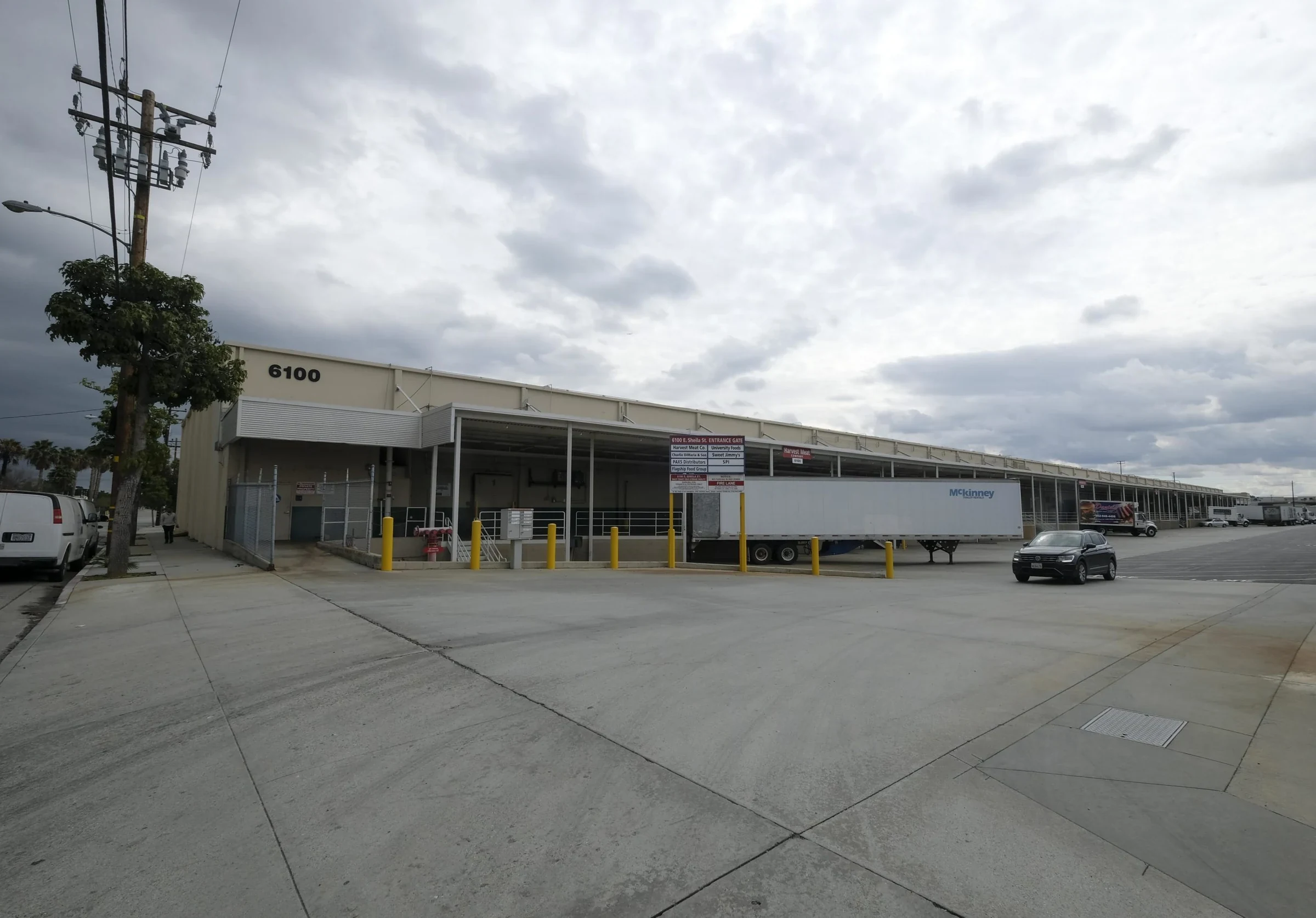
Documenting and Repairing Storm-Damaged Commercial Roofs
High wind events, hail, and Susquehanna riverfront flooding each hit commercial roofs across this market differently, and a property owner working through an insurance claim needs documentation as much as repair.
Wind, Hail, and Riverfront Flood Exposure in This Market
The Cumberland Valley's open terrain along I-81 and I-83 gives straight-line wind events more room to build before they hit a rooftop, which shows up in uplift damage at membrane edges and around rooftop equipment on warehouse-scale buildings near Carlisle and Silver Spring Township. Hail damage tends to concentrate differently, hitting metal roofing and coping on buildings across the whole market roughly evenly rather than clustering by corridor.
The riverfront commercial buildings in Wormleysburg, Marysville, and Highspire carry a different exposure entirely: flood risk from the Susquehanna that can affect roof drainage systems and low-lying rooftop equipment even when the roof membrane itself takes no direct damage. We assess those buildings for both wind and water exposure rather than treating flood-adjacent property as a standard wind-damage inspection.
Winter freeze-thaw cycling adds a slower-moving but equally real damage pattern across the market, particularly on older built-up and modified bitumen roofs where repeated freezing and thawing of trapped moisture opens seams and blisters over a season rather than in one identifiable event. That pattern is harder to tie to a single storm date, and it needs a different kind of documentation than the acute wind or hail damage a single named storm produces.
Emergency Tarp and Dry-In Response
The first priority after storm damage is stopping water from getting into the building, not settling the final repair scope. We can typically get a temporary tarp or dry-in membrane in place fast enough to limit interior damage while the permanent repair and insurance documentation process moves forward on its own timeline.
On a larger commercial building, temporary dry-in sometimes has to be sectioned across multiple roof areas depending on where the damage concentrated, and we prioritize the sections over active interior space or equipment first.
Documentation That Supports an Insurance Claim
We document storm damage the way an adjuster needs to see it: dated photos of the specific damage, moisture readings where water intrusion is suspected but not yet visible, and a written scope tied to the actual cause of loss rather than a general condition assessment. That documentation supports the claim process; it doesn't guarantee how an insurer will settle it, and we won't tell a property owner otherwise.
Where pre-existing roof condition and storm damage overlap on an older roof, we separate the two in our documentation as clearly as we can, since an adjuster distinguishing wear-and-tear from cause-of-loss damage is a common point of dispute on commercial claims.
What We Document at the Initial Storm Inspection
- Dated photos of visible membrane, flashing, and coping damage
- Moisture scan results in areas where intrusion is suspected
- Wind speed and hail size data for the event where available
- Pre-existing condition notes separated from storm-caused damage
- Written repair or replacement scope tied to the specific damage found
Working Directly With Adjusters and Public Adjusters
We're available to walk a roof jointly with an insurance adjuster or a property owner's public adjuster, which usually resolves scope disagreements faster than separate inspections compared after the fact. We present our findings the same way regardless of who's on the roof with us, since consistent documentation matters more to the outcome than which adjuster is reviewing it.
Where a claim covers a multi-building property, we document each building separately even if the same storm caused the damage, since claims processes sometimes handle each structure as its own line item.
Some claims carry a business interruption component tied to how long repair work is expected to take. We provide a realistic repair timeline as part of our written scope so that estimate can factor into the broader claims conversation, kept separate from the roofing repair cost itself so the two figures don't get muddled in the adjuster's file.
Material availability sometimes affects that timeline more than labor does. A specialty membrane color or an unusual insulation thickness can carry a longer lead time than a standard stock item, and we flag that risk in the initial scope rather than letting it surface later as an unexplained delay in the claim file.
Questions Property Owners Ask After Storm Damage
Can you get a tarp on our roof the same day storm damage happens?
We prioritize active water intrusion calls and move quickly to stop further damage, though exact timing depends on storm scope across the region and access conditions.
Will you guarantee our insurance claim gets approved for the full repair cost?
No, and we won't tell you otherwise. We document the damage thoroughly to support your claim, but the settlement decision belongs to your insurer.
Can you walk the roof with our adjuster or public adjuster directly?
Yes, we're available for a joint inspection and present the same findings regardless of who else is on the roof.
How do you tell the difference between storm damage and normal roof wear?
Cause and pattern mostly. Storm damage tends to show a specific directional or impact pattern tied to the event; wear shows up as gradual, uniform deterioration. We document both separately in our report.
What if flooding damaged our rooftop equipment but not the membrane itself?
We inspect drainage systems and rooftop equipment for flood exposure even when the membrane shows no direct damage, since equipment and drain damage can still support a claim on its own.