
Commercial Project Types
Commercial Roofing
Harrisburg, PA
Harrisburg, PA
Grocery Store Roofing in Harrisburg, PA
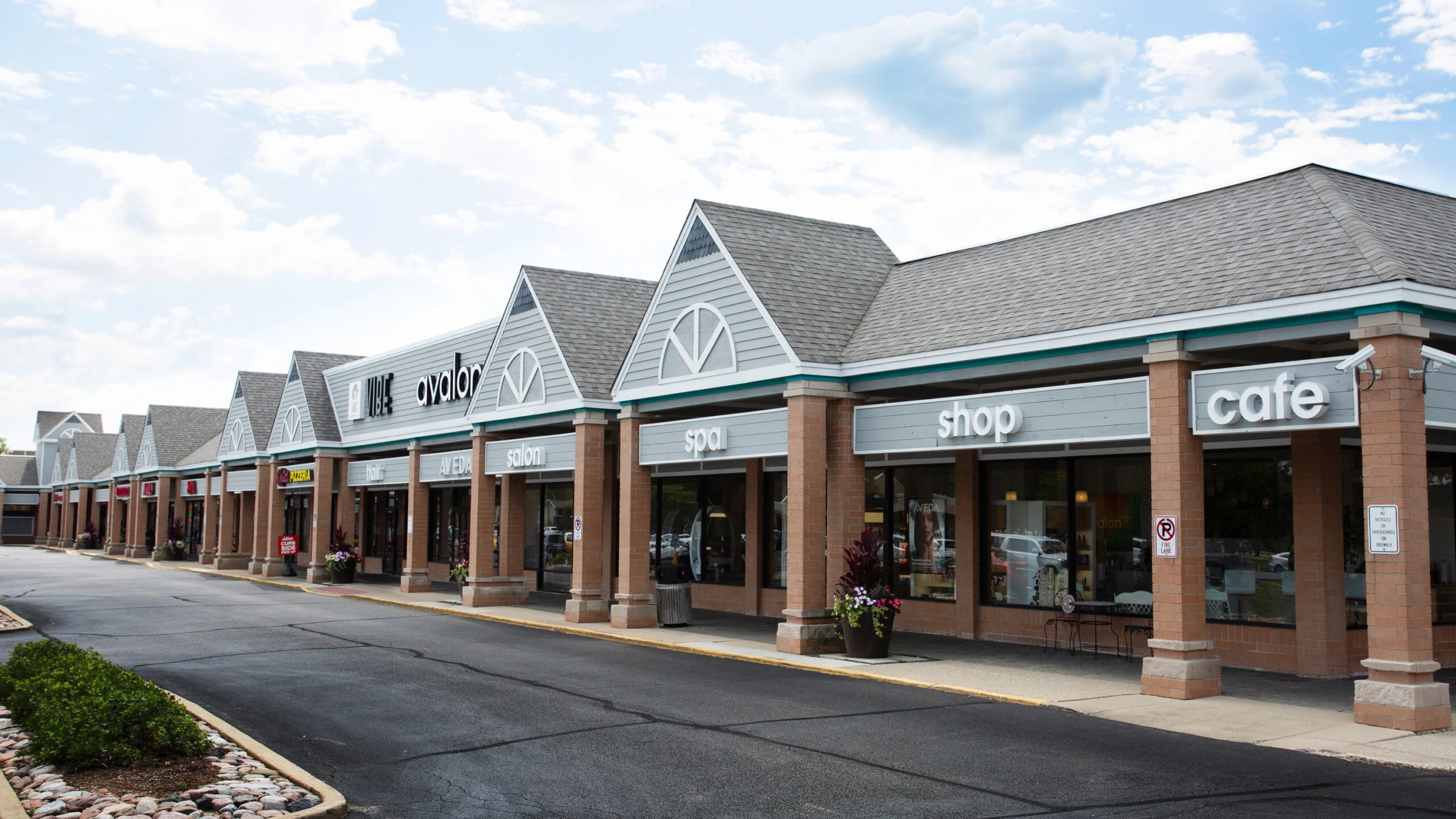
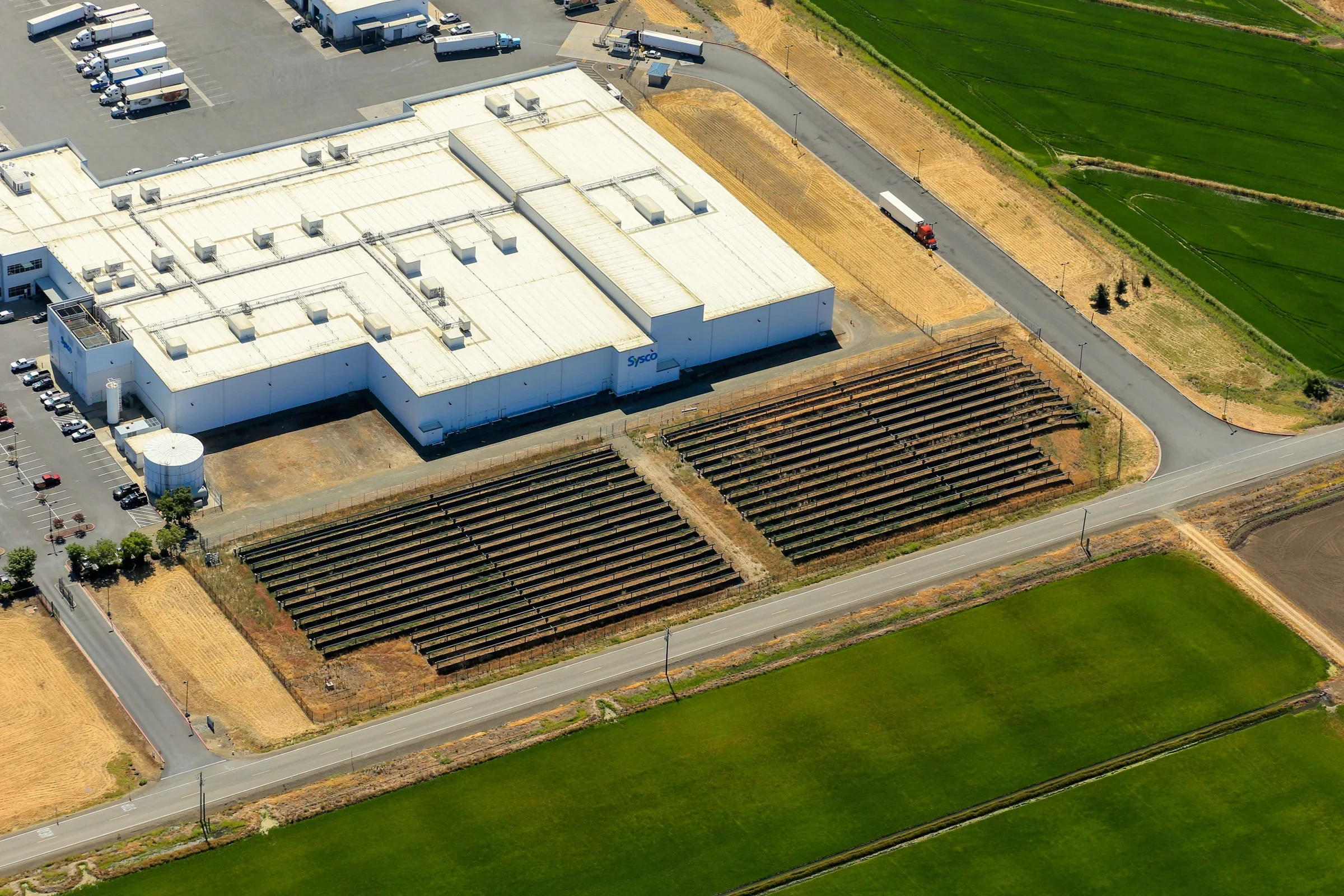
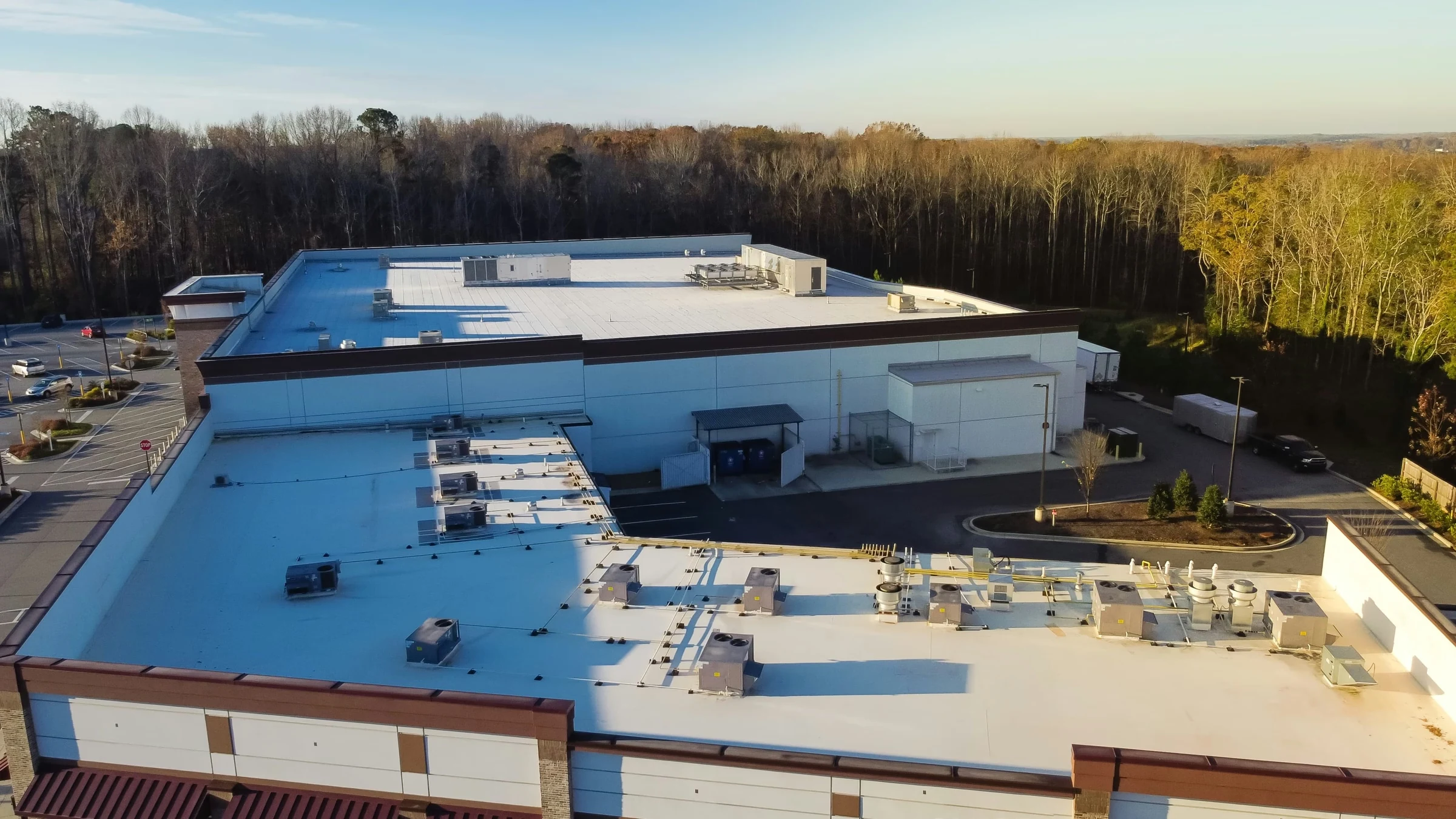
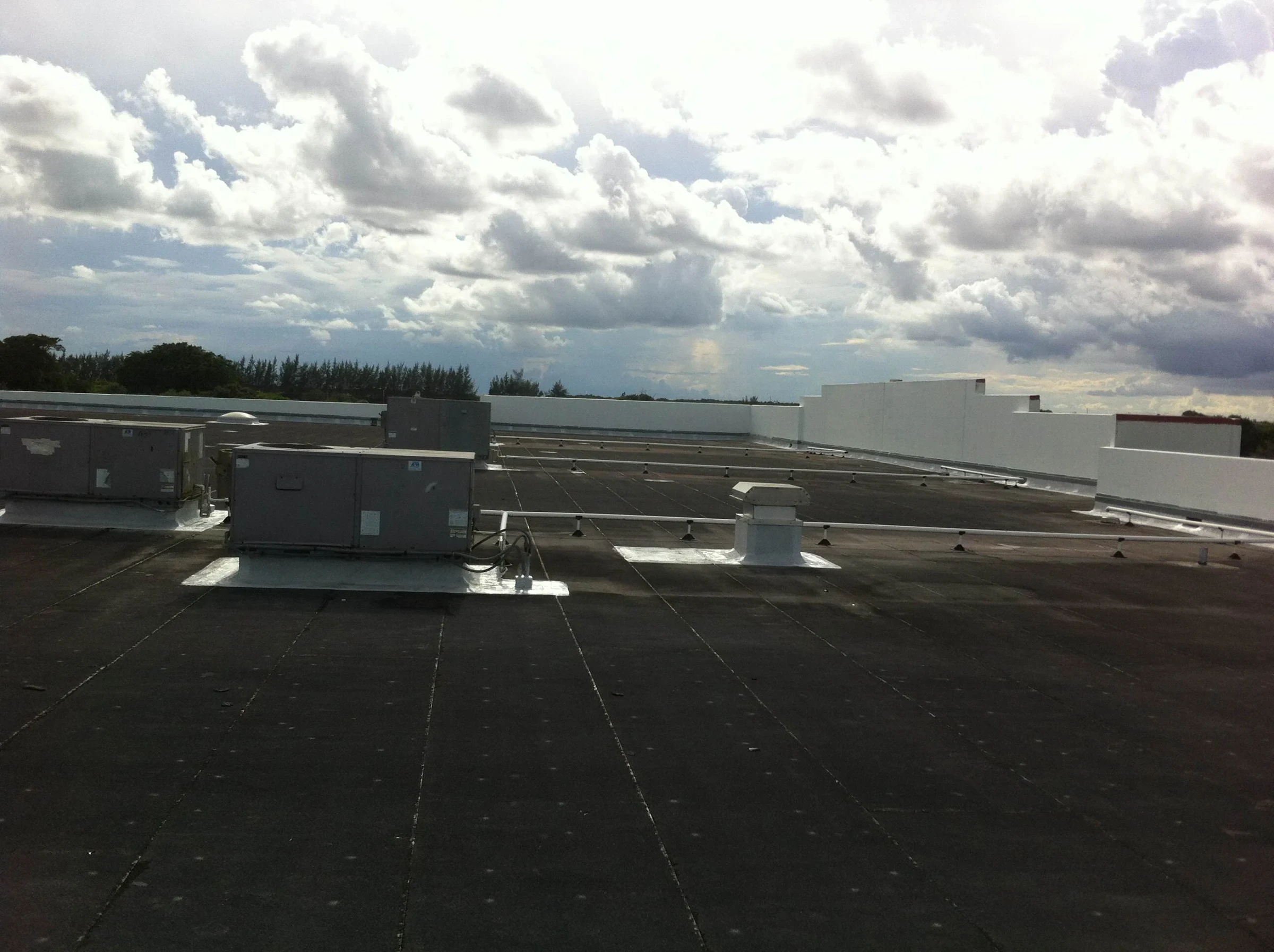
Refrigeration Load and Continuous Hours on Grocery Anchor Roofs
Grocery anchors along Route 39 in Linglestown, around Colonial Park, and through the Carlisle Pike corridor run some of the heaviest rooftop refrigeration equipment loads in local retail, since a full-service supermarket carries condenser racks, walk-in cooler and freezer compressors, and produce case chillers all penetrating or mounted on the same roof field. We scope grocery roofing around that equipment load first, since it shapes drainage, structural capacity, and access more than the sales floor square footage does.
Condenser Rack Weight and Structural Review
A grocery store's refrigeration condenser racks are typically among the heaviest point loads on the roof, often concentrated over a specific section rather than spread evenly across the field, and any reroofing or structural evaluation has to confirm the deck and structure under those racks can carry the load through the life of the new system. We pull the original structural documentation where available and flag any section where added or upgraded refrigeration equipment may have exceeded the roof's original design load.
Grocery chains in this region, including the store formats operated by The Giant Company and by Karns Foods, periodically upgrade refrigeration systems to newer, more efficient equipment, and those upgrades sometimes change the rooftop footprint or weight distribution from what the original roof was built to support. We treat any refrigeration equipment change as a trigger to re-verify roof capacity rather than assuming the new units simply replace the old ones in kind. That verification step is inexpensive relative to the cost of a rack installation, and skipping it is one of the more common reasons a grocery roof develops a localized structural or drainage problem within a few years of an equipment upgrade.
Equipment and Access Factors on a Grocery Anchor Roof
Refrigeration equipment, not sales floor size, is what actually drives the scope on this building type.
- Condenser rack and compressor point-load review against the original roof structural design
- Drainage capacity sized for both rainfall and periodic condensate discharge from rooftop cooling equipment
- Continuous operating hours, since most grocery stores run extended or 24-hour schedules with limited true downtime
- Loading dock and receiving area roof detail, given frequent delivery traffic and associated vibration
- Bakery and deli exhaust penetrations that carry grease exposure similar to a standalone restaurant
- Refrigerant line penetrations requiring coordination before any hot-work near those lines
Continuous Operating Hours Limit the Work Window
Most grocery stores along this corridor run extended hours with few if any fully closed periods, which means roof work has to happen while the store stays open and stocked rather than during a true off-hours closure. We coordinate the loudest work phases with store management for the lowest-traffic overnight or early-morning windows their own scheduling data identifies, and we keep refrigeration equipment access clear at all times regardless of the work schedule, since a compressor failure during an active project would put stored product at risk. We also confirm backup power and generator exhaust paths on the roof plan before mobilizing, since many grocery stores run emergency generators specifically to protect refrigerated inventory during a power outage, and that equipment cannot be blocked by material staging or crew access at any point in the schedule.
Bakery and Deli Exhaust Similar to Restaurant Roofing
In-store bakery and deli departments generate grease and heat exhaust comparable to a standalone restaurant, and those rooftop penetrations need the same grease containment and curb inspection attention as a food-service tenant in a strip center. We include bakery and deli exhaust points as a standard inspection item on any grocery roof, since these penetrations are a common source of localized leaks that a general field inspection can miss if it is not specifically checking for grease-related membrane breakdown.
Delivery Dock Vibration and Roof Edge Condition
Grocery stores receive deliveries on a near-daily basis, and the roof section over or adjacent to the loading dock experiences more vibration and equipment traffic than the rest of the field over time. We inspect edge metal, coping, and parapet condition near dock areas on a closer interval than the general roof field, since that vibration exposure accelerates fastener and seam fatigue in ways a standard annual inspection can undercount.
Store and Facilities Managers Ask About Refrigeration and Access
Can roof work happen while the store stays open?
In most cases yes. We coordinate the loudest phases with store management around their lowest-traffic hours and keep refrigeration equipment access unobstructed throughout the project.
How do you verify the roof can support upgraded refrigeration equipment?
We review the original structural documentation where available and compare it against the new equipment's point loads before confirming the roof or recommending reinforcement.
What happens if a refrigeration compressor needs emergency access during a reroofing project?
We plan access routes to refrigeration equipment before work begins and keep those routes clear at every stage, since a compressor issue during an active project needs immediate access regardless of the roofing schedule.
Do bakery and deli exhaust penetrations need special inspection attention?
Yes. We treat those penetrations similarly to a standalone restaurant's grease exhaust, checking curb and flashing condition on a tighter schedule than the general roof field.
How often should the roof section over the loading dock be inspected?
We recommend a closer interval than the general field given the added vibration and traffic from daily delivery activity, which accelerates wear at edge metal and seams in that area.