
Commercial Project Types
Commercial Roofing
Harrisburg, PA
Harrisburg, PA
Office Complex Roofing in Harrisburg, PA
Roof Programs for the West Shore Office Corridor
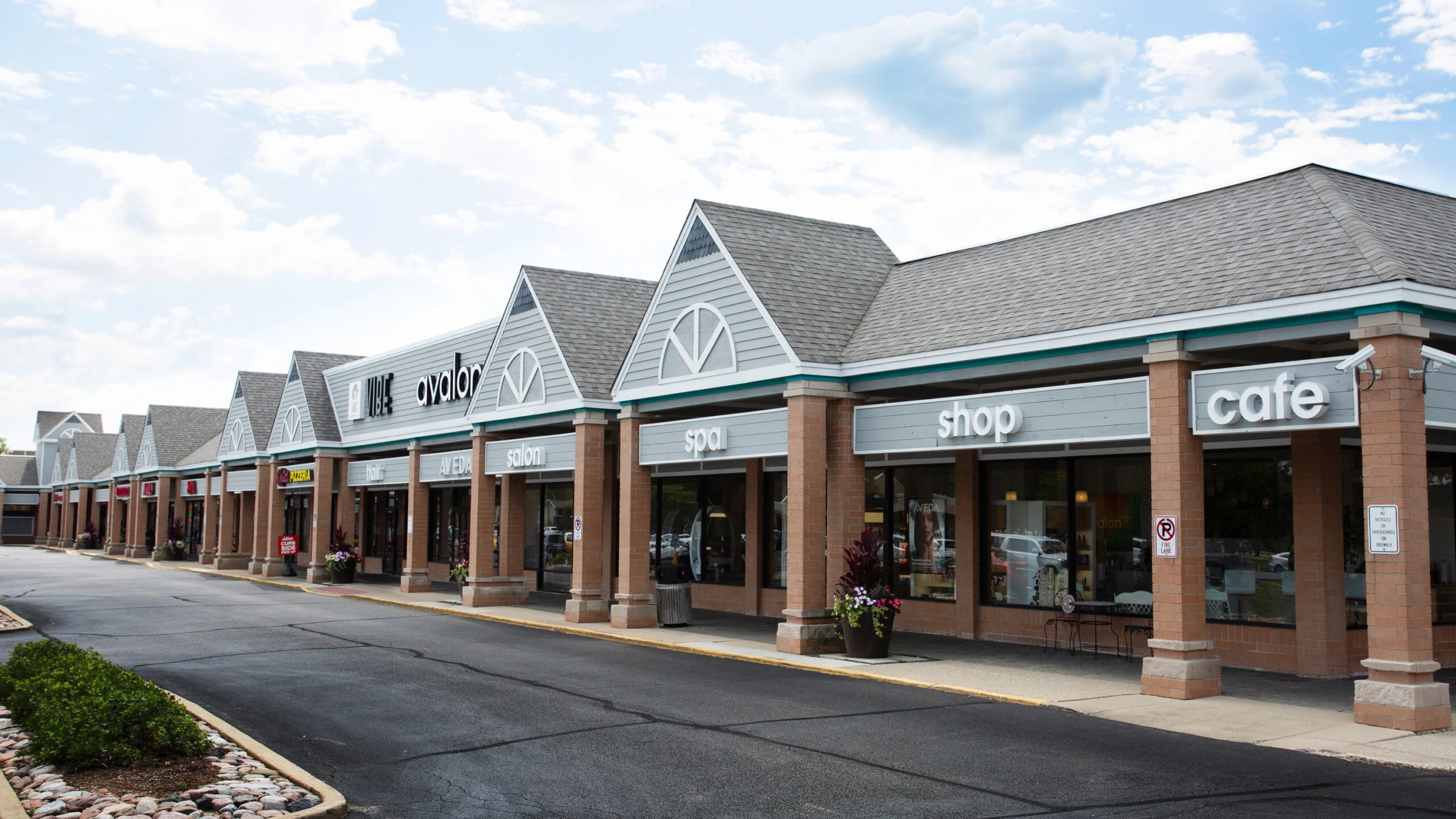
The office stock along the West Shore, from Camp Hill through Lemoyne and down to the riverfront buildings in Wormleysburg, is mostly low-rise, multi-tenant construction from the 1970s through the early 2000s, and the roofs over that stock are aging into the window where an owner has to choose between another round of patch repairs and a real capital decision. We build that choice around occupied-space realities rather than a generic reroofing timeline.
Multi-Tenant Lease Terms Complicate Capital Timing
An office building with staggered tenant leases rarely has one clean window to close the whole roof for major work. We coordinate with the property manager to identify which suites have upcoming vacancy, lease renewal, or planned buildout, since those windows are often the lowest-disruption opportunity to stage material or complete section-by-section work without displacing an occupied tenant mid-lease.
Where full vacancy is not realistic, we sequence a reroofing project by roof zone matched to the tenant suite plan below, closing off and completing one section before moving to the next rather than opening the entire field at once. That sequencing costs more in mobilization time than a single open field, and we state that tradeoff plainly in the proposal so the owner can weigh the added cost against the disruption avoided.
Property managers running these buildings under a management contract also need documentation they can show ownership justifying the timing decision, so we provide a written roof condition assessment ranking each zone by urgency rather than a single blanket recommendation to replace the whole field at once.
Rooftop HVAC Coordination on Aging Office Buildings
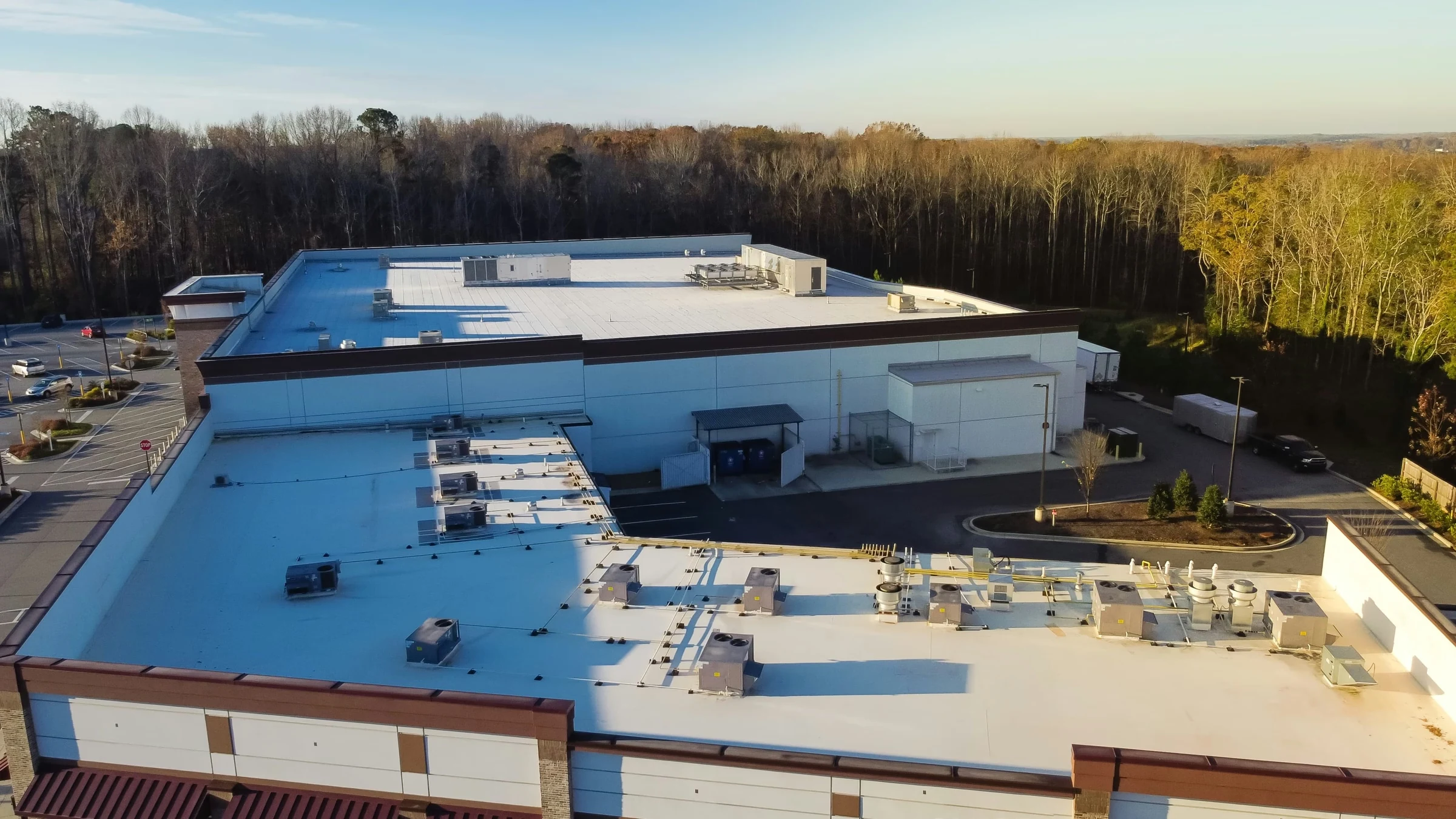
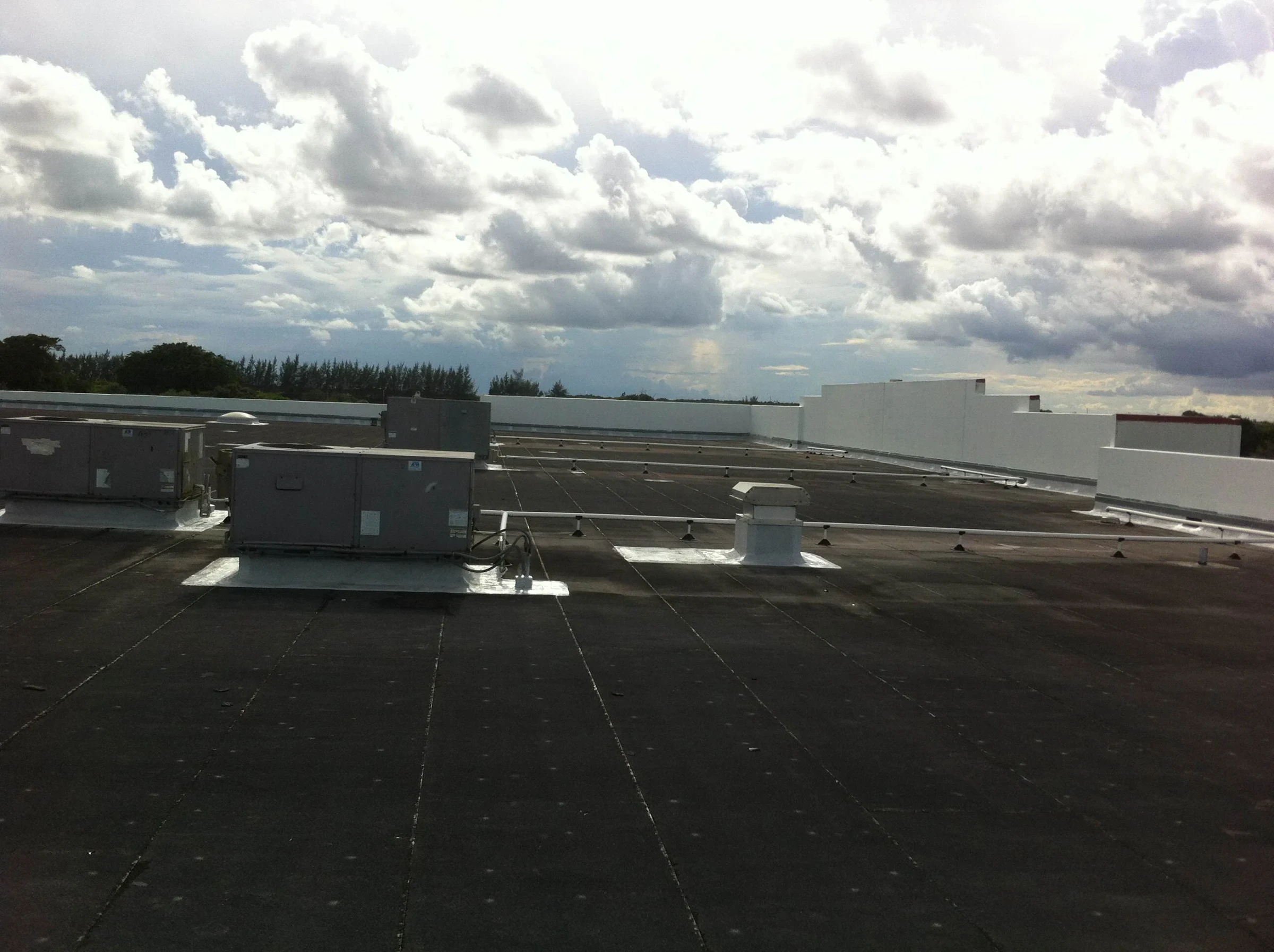
Office buildings of this era typically run individual rooftop package units per suite rather than one central system, and each unit sits on its own curb with its own flashing detail and condensate drain line penetrating the roof. A reroofing project has to reset every one of those curbs correctly, and we inventory unit count, curb condition, and remaining equipment life as part of the proposal, since a roof warranty can be voided by improperly reset flashing around HVAC curbs even when the field membrane itself is installed correctly. On buildings where suites have changed hands multiple times, the rooftop unit inventory on file with the property manager often does not match what is actually on the roof, so we reconcile that count against the roof plan before pricing curb work rather than pricing off an outdated equipment list.
We also flag units at or near the end of their expected service life during the roof inspection itself, since coordinating a unit replacement with the reroofing schedule avoids cutting into a brand-new membrane again within a year or two for an HVAC swap that could have been planned together.
Coordination Items on a West Shore Multi-Tenant Roof Project
The membrane is one line item on a multi-tenant office roof. Everything below is what actually drives the schedule and the price.
- Tenant lease and vacancy schedule review to identify low-disruption work windows
- Rooftop HVAC unit inventory, curb condition, and flashing reset requirements per unit
- Interior finish protection below occupied suites during tear-off and material staging
- Noise and odor scheduling around business hours for customer-facing tenants
- Roof drain and gutter condition, particularly on buildings with added expansions over time
- Warranty documentation that survives a change in building ownership or management company
Riverfront Exposure in Wormleysburg and Lemoyne
Office and mixed-use buildings closest to the Susquehanna in Wormleysburg and along the Lemoyne bridge approach deal with added humidity and wind-driven rain off the river that accelerates membrane and flashing wear compared to buildings set back from the water. We factor that exposure into inspection frequency recommendations for buildings in this immediate riverfront band rather than applying the same schedule fleet-wide across the whole West Shore.
Warranty Continuity Through Ownership Changes
West Shore office properties change hands fairly often as investment portfolios turn over, and a roof warranty issued to the prior owner does not always transfer automatically to a new one without paperwork filed with the manufacturer at the time of sale. We review warranty transfer status as part of any inspection on a recently sold building and flag gaps before they become a problem during a future claim.
Office Complex Roofing Questions From Building and Property Managers
Can a reroofing project happen without vacating tenant suites?
In most cases yes, using a zone-by-zone sequence matched to the tenant suite plan. Full vacancy is rarely required except for the specific section under active work at a given time.
Who is responsible for resetting rooftop HVAC units during a reroofing project?
We coordinate directly with the building's HVAC contractor or facilities team to reset each unit correctly on its curb, since improperly reset flashing at an HVAC curb is a common source of warranty disputes.
Does a roof warranty transfer automatically when an office building is sold?
Not automatically in most cases. We check the specific manufacturer's transfer requirements and help the new ownership file the correct paperwork if a gap is found.
How often should an aging West Shore office roof be inspected?
We generally recommend at least annual inspections, with a more frequent schedule for buildings closest to the riverfront given the added humidity and wind-driven rain exposure in that band.
Can roof work be scheduled around a specific tenant's quiet business hours?
Yes. We build noise and access scheduling around the most sensitive tenant's operating hours when the property manager identifies that as a priority.