
Commercial Roofing Services
Commercial Roofing
Harrisburg, PA
Harrisburg, PA
Built-Up Roofing (BUR) in Harrisburg, PA
Built-Up Roofing on the Region's Oldest Institutional Buildings
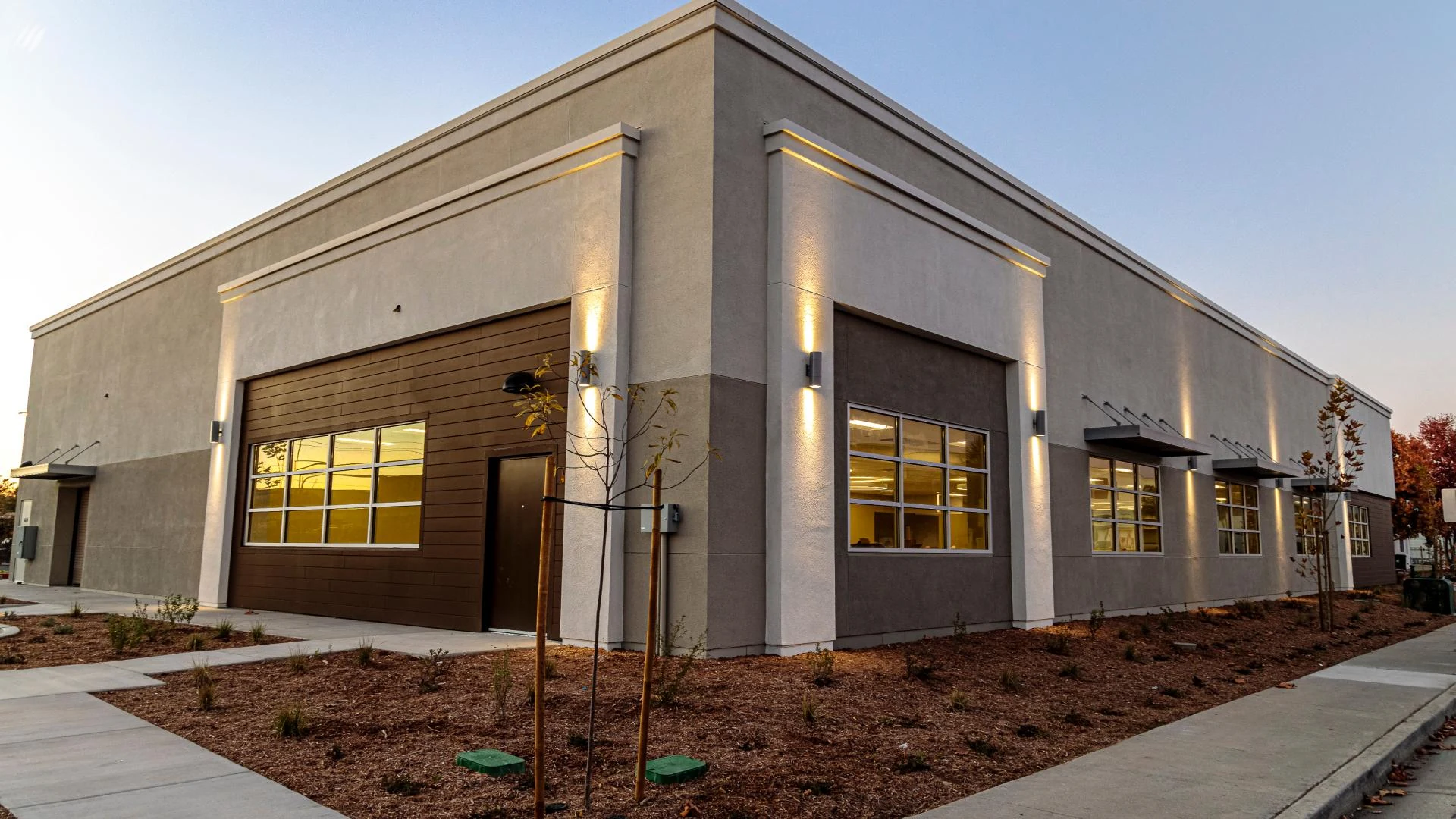
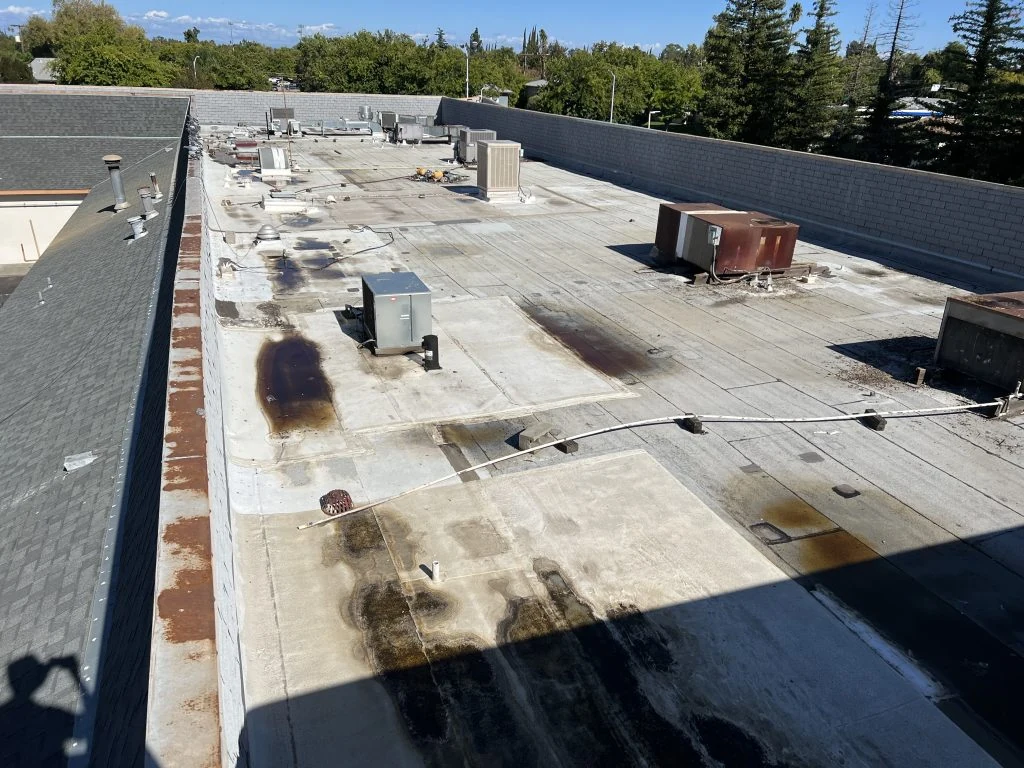
A number of the older buildings tied to the Capitol complex, along with school district properties built decades ago in Lebanon and Annville, are still carrying a built-up roof, sometimes original, sometimes replaced once already since original construction. BUR is the oldest continuously used commercial roofing system in the country, and on a building where it's still performing, replacing it with more BUR is often the least disruptive path rather than switching membrane families entirely.
What a Built-Up System Actually Is
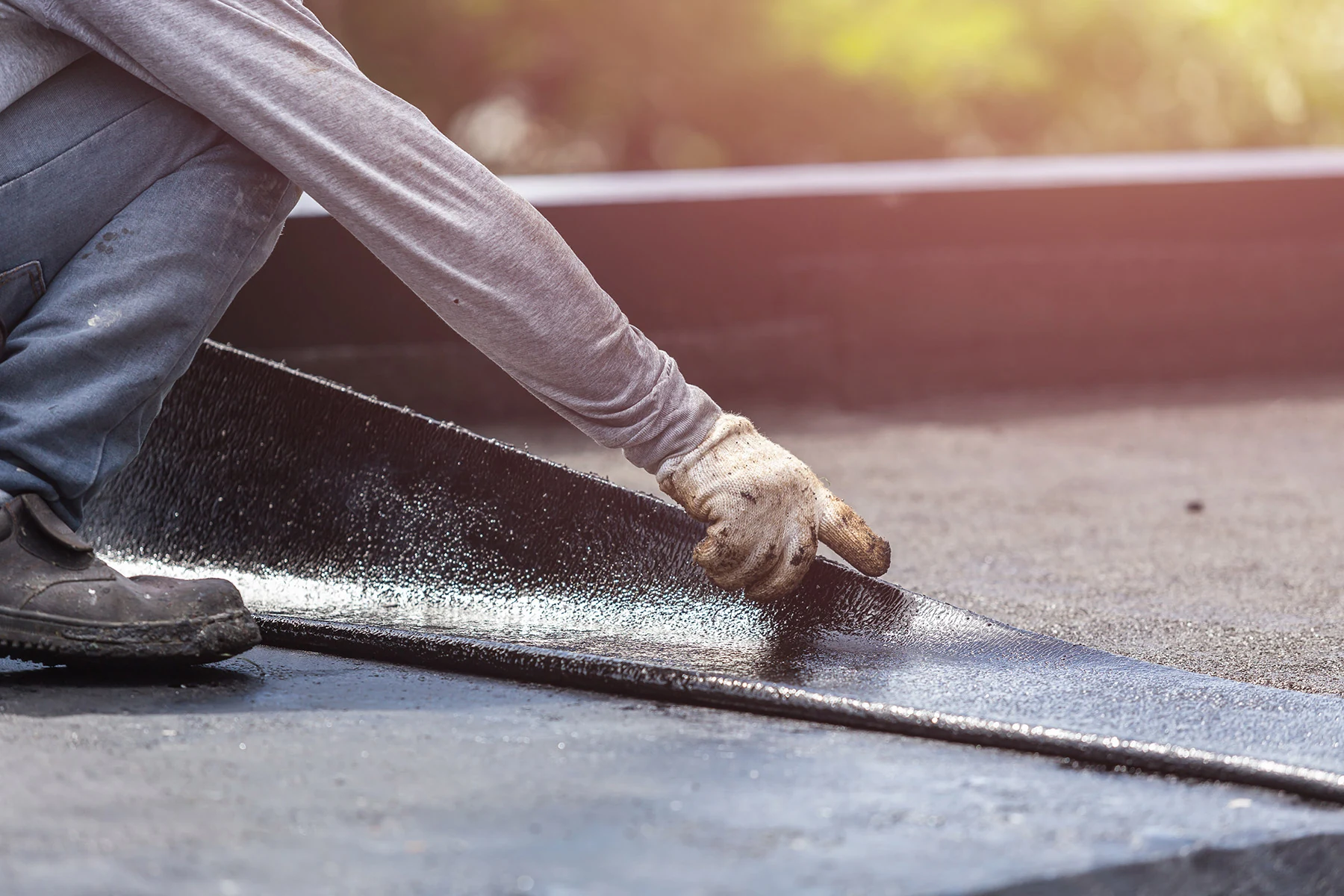
BUR is alternating layers of asphalt or coal-tar pitch and reinforcing felt, typically three or four plies, finished with either a gravel ballast surface or a cap sheet. The layered construction gives it real redundancy against isolated punctures, similar to modified bitumen but with more plies and a heavier assembly overall. That weight is worth confirming against the deck's structural capacity before assuming a straightforward like-for-like replacement, particularly on older steel-frame school buildings where the original design load wasn't generous.
Gravel Surfacing: Maintenance and What It Hides
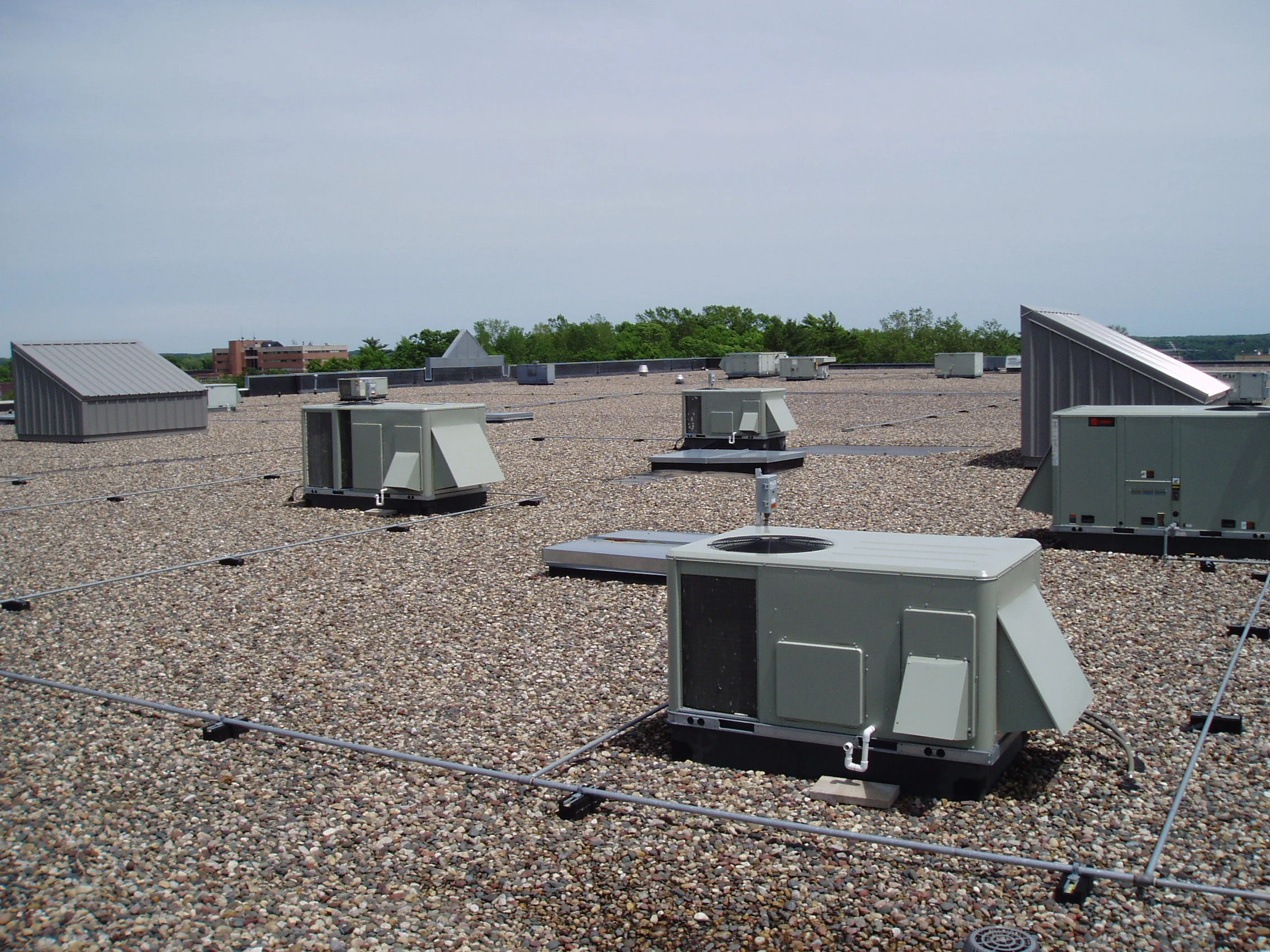
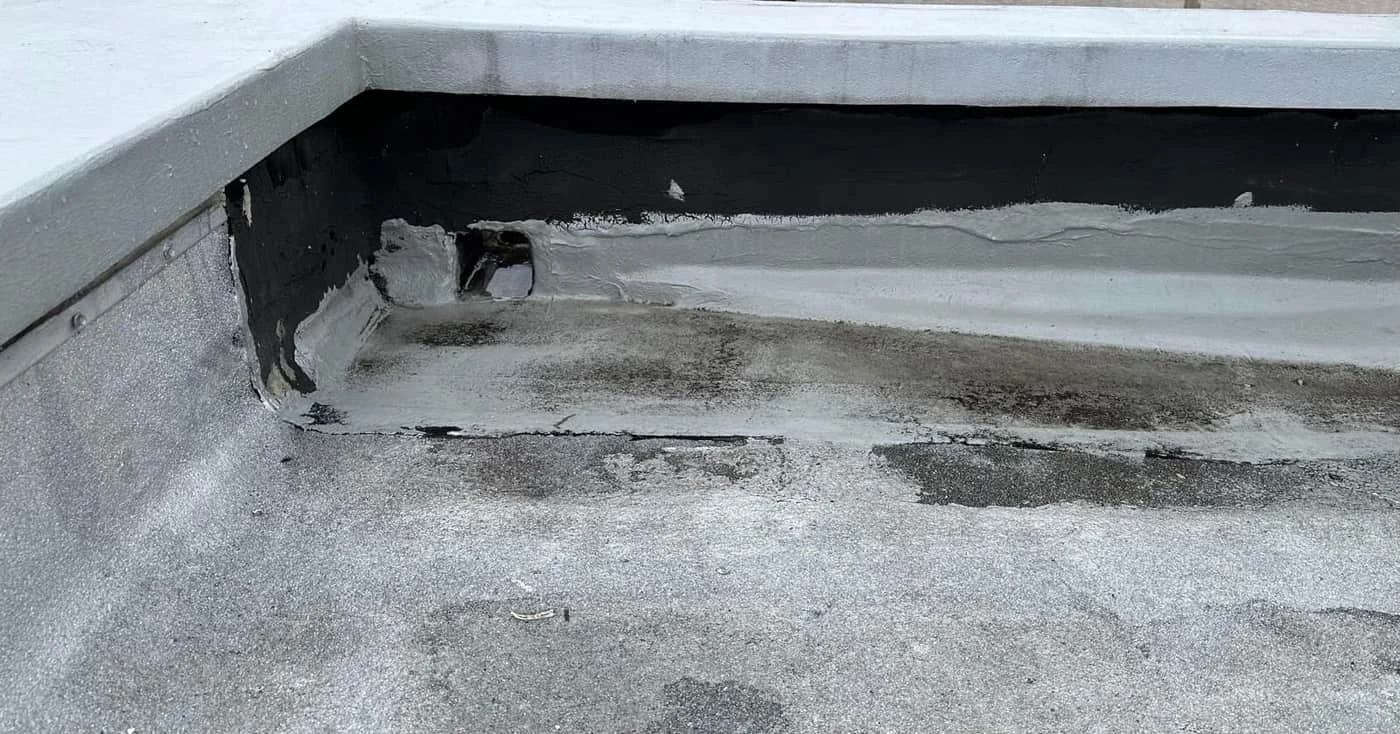
Gravel-surfaced BUR protects the asphalt layers underneath from UV degradation, but the gravel also makes visual inspection harder, since a surface crack or blister can sit hidden under stone for months before a leak shows up inside the building. We pull gravel back at drains, seams, and any area with a known leak history rather than inspecting from the surface alone, because gravel that looks intact from a walk-through can be sitting over a membrane that's already failing underneath.
- Multi-ply asphalt and felt construction with real puncture redundancy
- Gravel or smooth cap sheet surfacing depending on building type
- Structural load confirmed before any like-for-like replacement
- Gravel pulled back at drains and known trouble spots for real inspection
- Recover with modified bitumen or a coating system where the deck allows it
- Flashing and edge metal rebuilt to current code at every reroof
Recover Options for Aging BUR Roofs
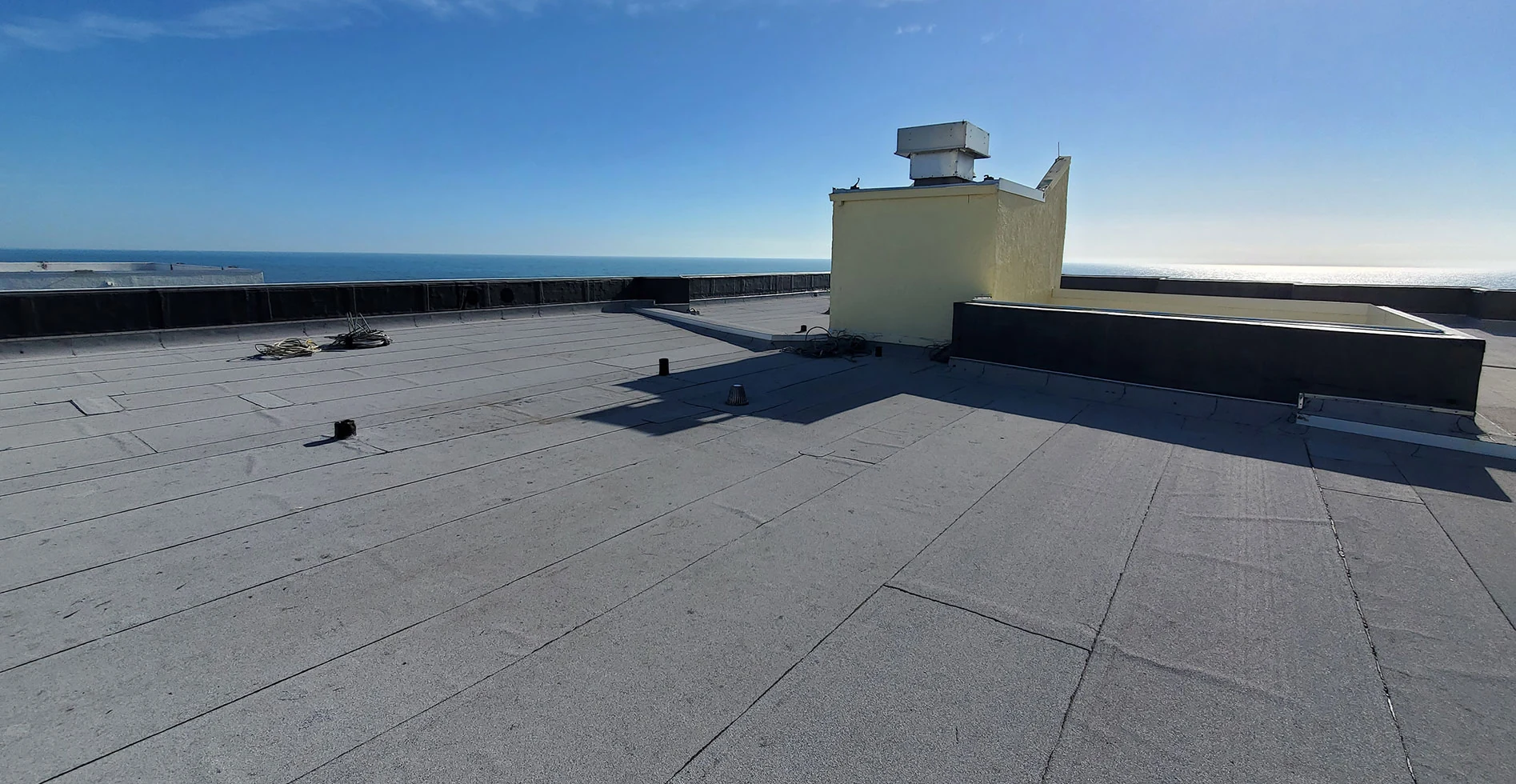
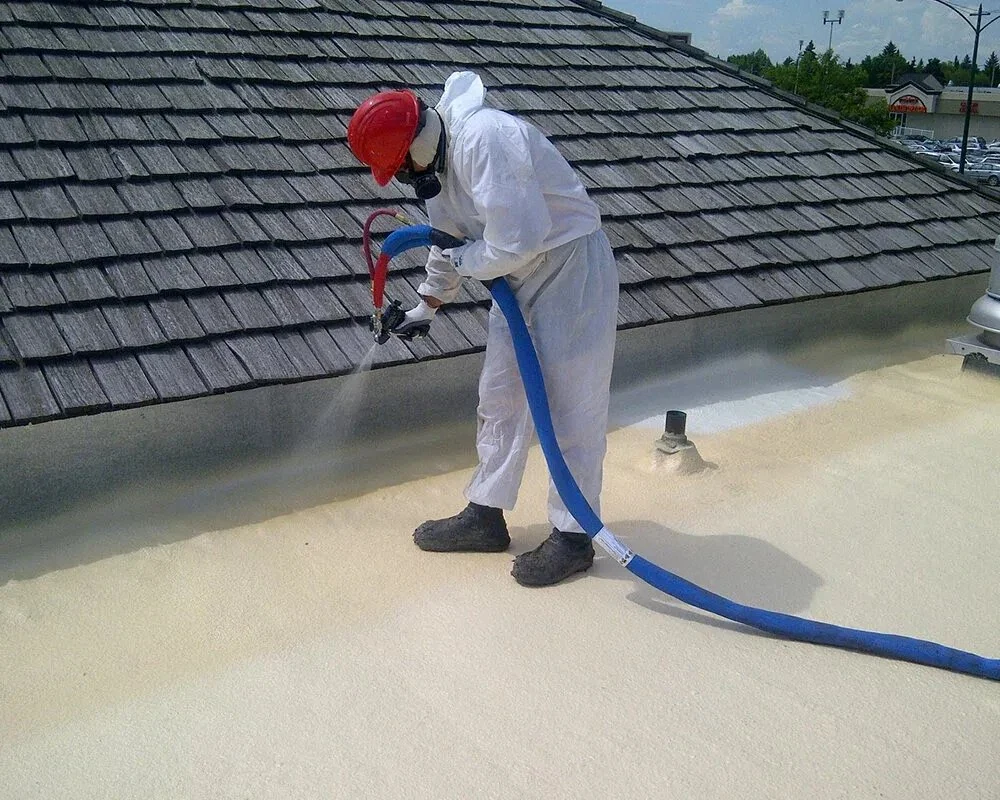
Not every aging BUR roof needs full tear-off. Where the plies underneath are dry and the deck is structurally sound, a modified bitumen cap sheet or a fluid-applied coating over the existing gravel-embedded surface can add meaningful service life at a fraction of full replacement cost. This is a common recommendation on school district buildings with tight capital budgets, where stretching a functioning roof's remaining life by five to ten years through a recover or coating strategy is often the fiscally responsible call rather than an immediate full replacement.
When Full Replacement Is the Honest Recommendation
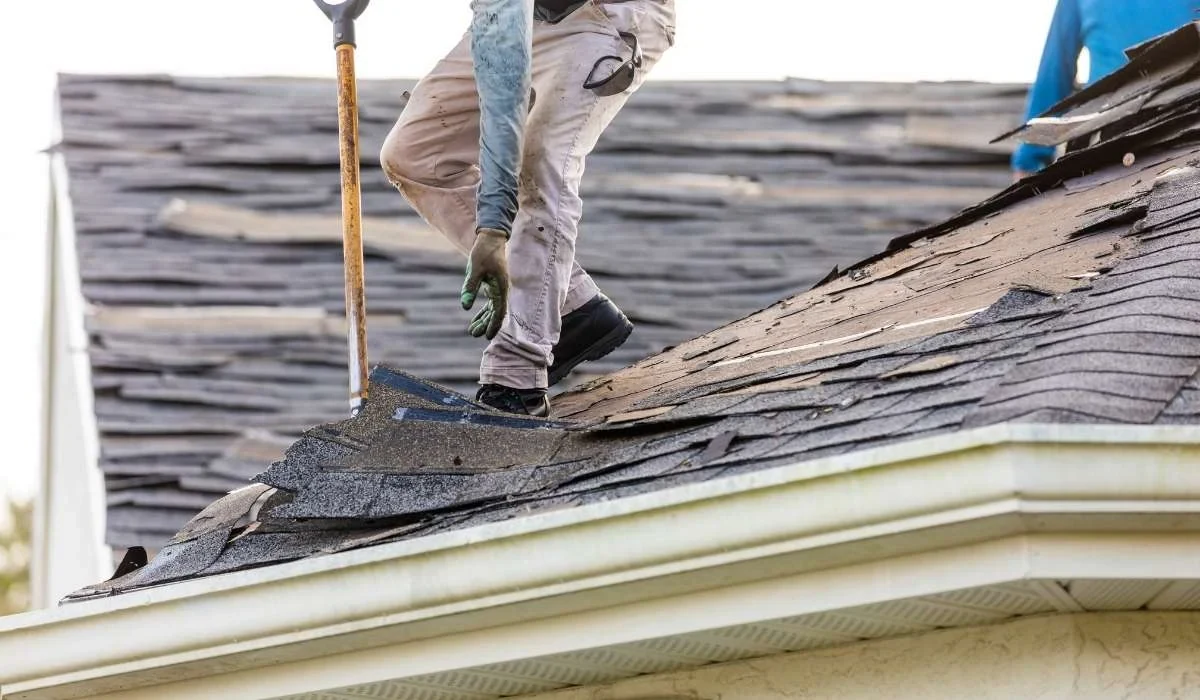
Widespread ply separation, blistering across large areas of the field, or a moisture survey showing broad saturation all point toward full tear-off rather than recover. We've inspected BUR roofs on older buildings near Steelton and the downtown corridor where decades of ponding water and freeze-thaw cycling had degraded the felt plies well beyond what a coating or cap sheet recover could responsibly address, and in those cases we say so directly rather than selling a recover system that won't hold.
Asbestos Considerations on Pre-1980s Roofing Systems
Some built-up roofing materials installed before the 1980s contain asbestos in the felt or flashing components, a real consideration on the older institutional buildings in this region that haven't been reroofed since original construction. Before any tear-off begins on a roof of that vintage, we coordinate testing through a qualified environmental firm, because disturbing asbestos-containing material without proper abatement protocol creates liability well beyond the roofing scope itself.
Where testing confirms asbestos-containing material, the abatement contractor's scope and the roofing scope have to be sequenced carefully, since roofing work generally can't proceed on a section until abatement there is complete and cleared. We build that sequencing into the project schedule from the proposal stage rather than treating it as a delay discovered mid-project, since it changes both timeline and cost in ways an owner needs to know about before committing to the work.
Built-Up Roofing Questions
Is built-up roofing still installed on new buildings, or only used for replacement?
It's mostly a replacement and recover system at this point in our market, since single-ply and modified bitumen systems have largely replaced BUR on new construction. We still install it where an owner wants to match an existing system or where a phased recover strategy calls for it.
How do you inspect a gravel-surfaced roof without disturbing the whole surface?
We pull gravel back selectively at drains, seams, parapet transitions, and any documented leak history area, rather than clearing the entire field. That targeted approach finds problem areas without unnecessary disruption to a roof that's otherwise performing.
What does a BUR recover cost compared to full tear-off?
Recover typically costs meaningfully less than full tear-off and replacement, since it avoids demolition and disposal, but the savings only make sense if the existing roof is dry and structurally sound. A moisture survey determines which option actually applies.
Does an old built-up roof need asbestos testing before any work starts?
Any building roofed or reroofed before the 1980s should be tested before tear-off begins. We coordinate that testing through a qualified environmental firm as a standard first step on roofs of that age.
Can a BUR roof support rooftop solar or added mechanical equipment?
It depends on the deck's original structural design and the roof's current condition. We evaluate both before any added rooftop load gets approved, since older BUR assemblies weren't always designed with future equipment additions in mind.