
Roof Systems
Commercial Roofing
Harrisburg, PA
Harrisburg, PA
PVC Roof Systems in Harrisburg, PA

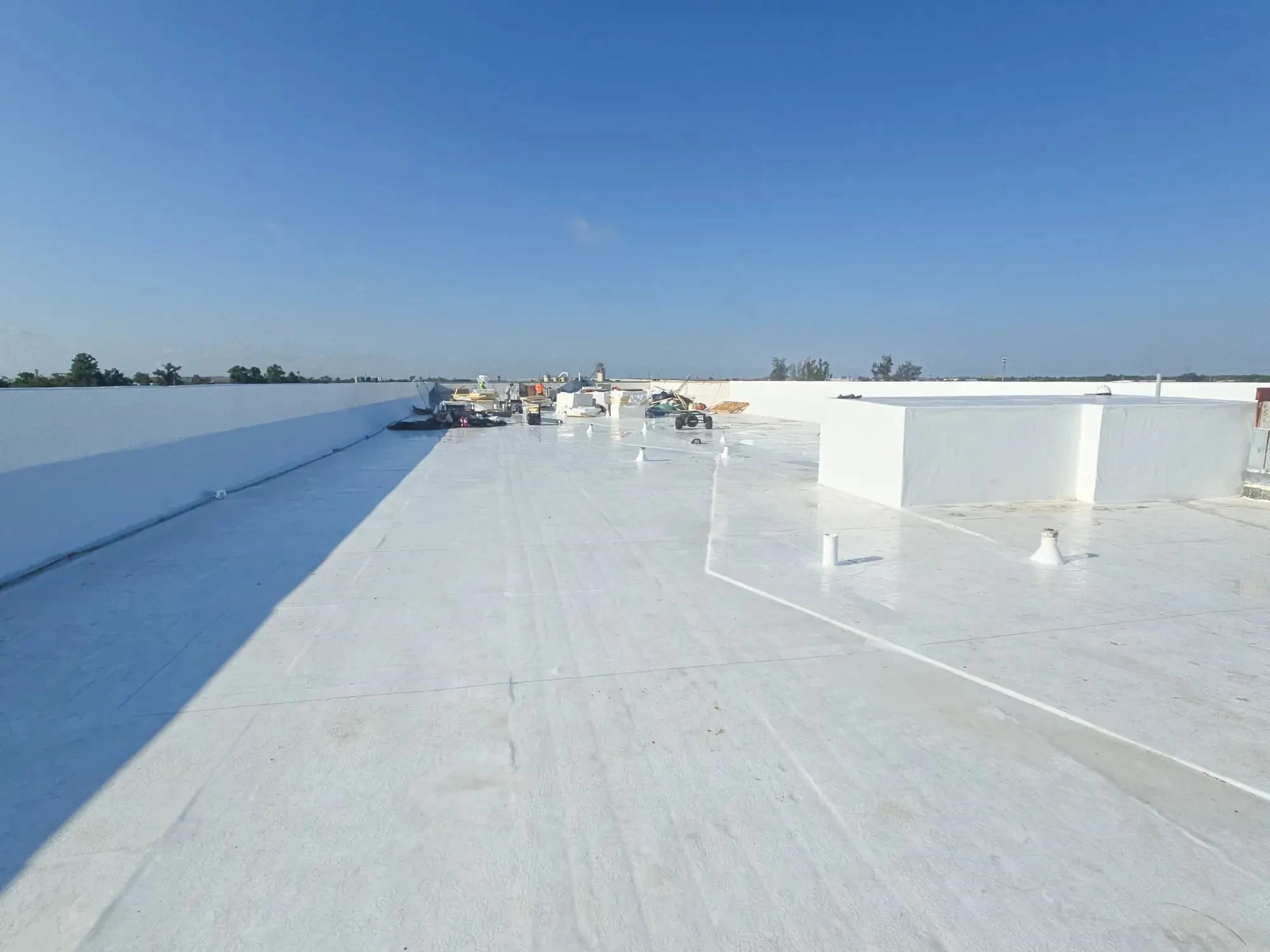
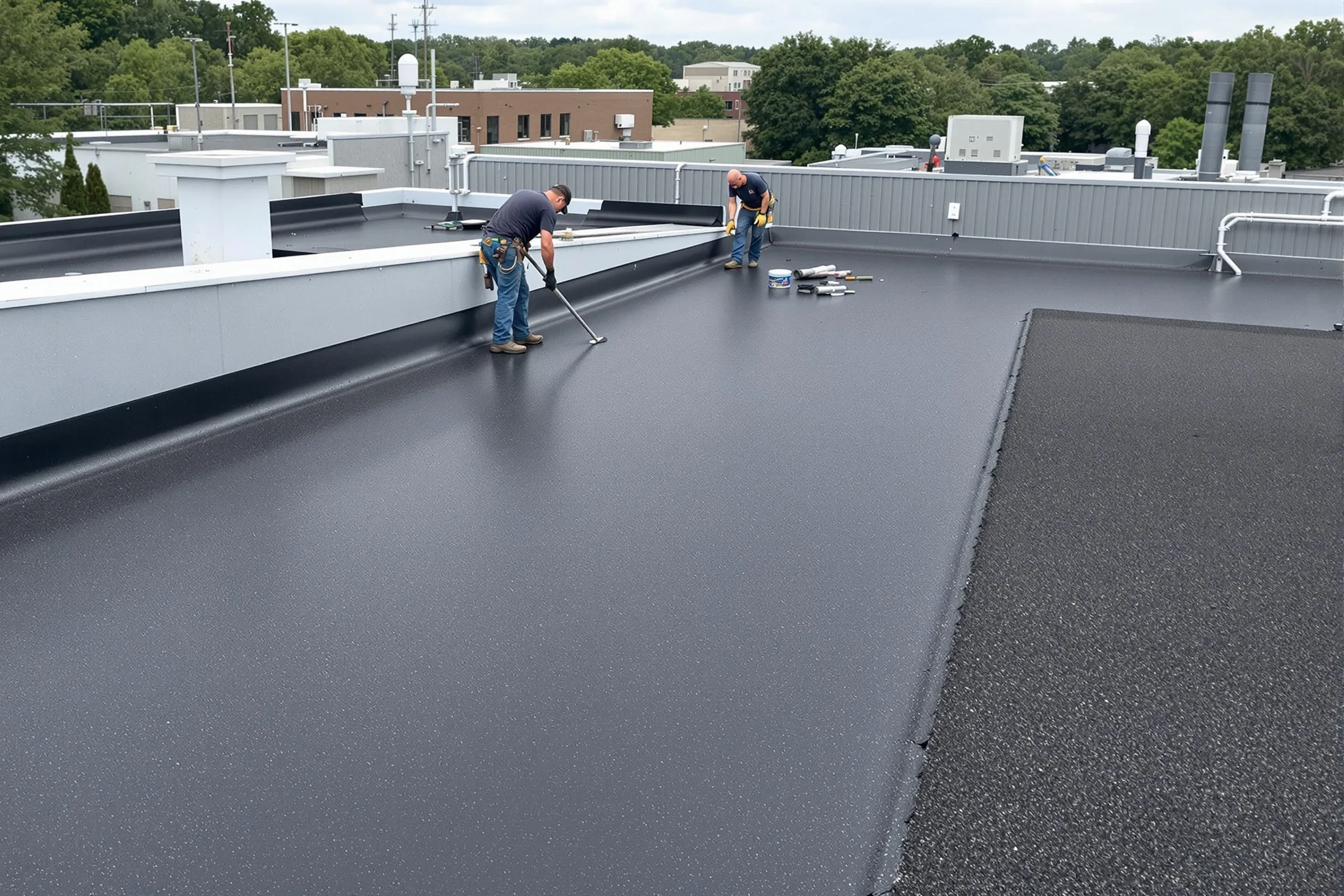
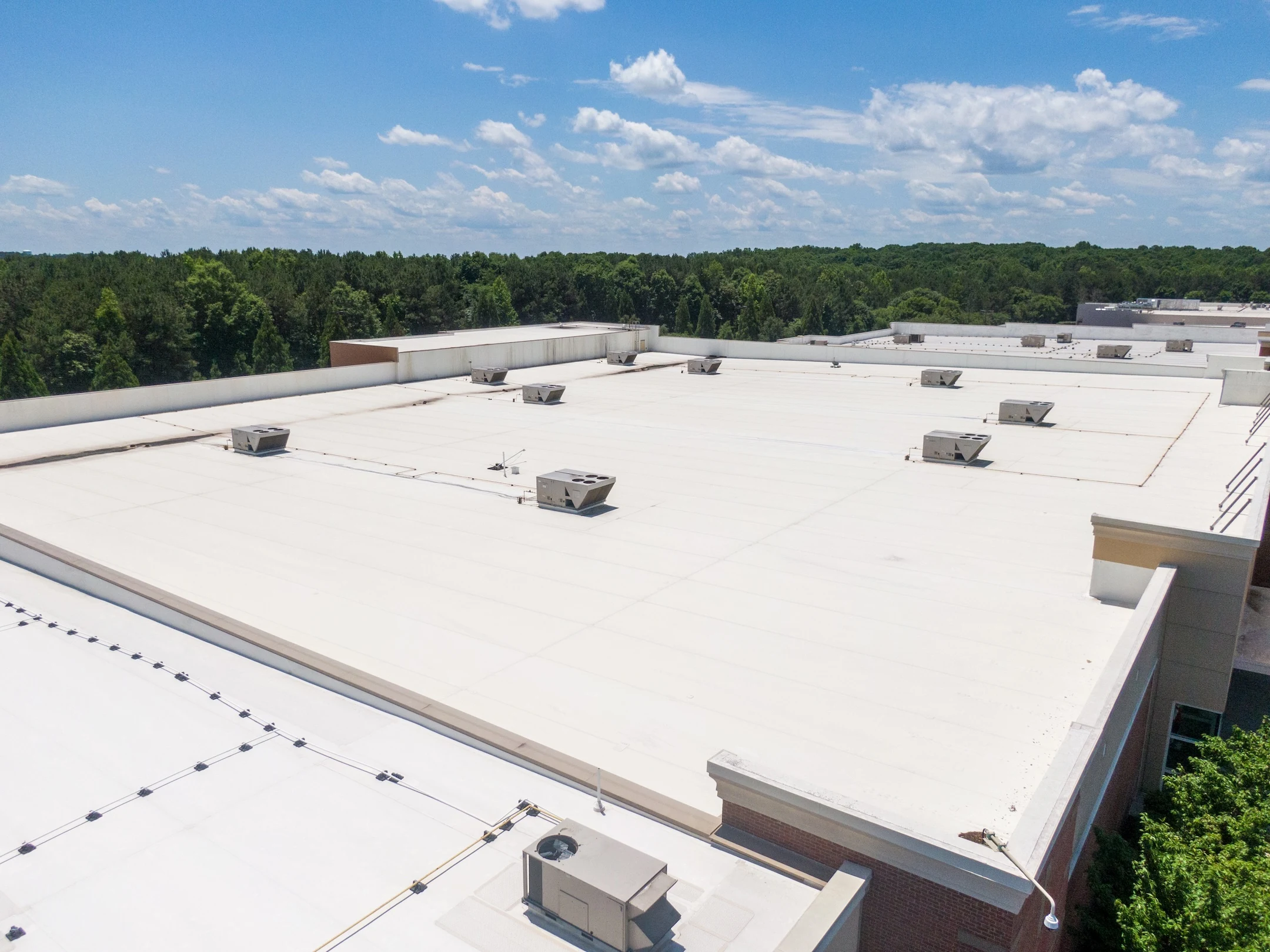
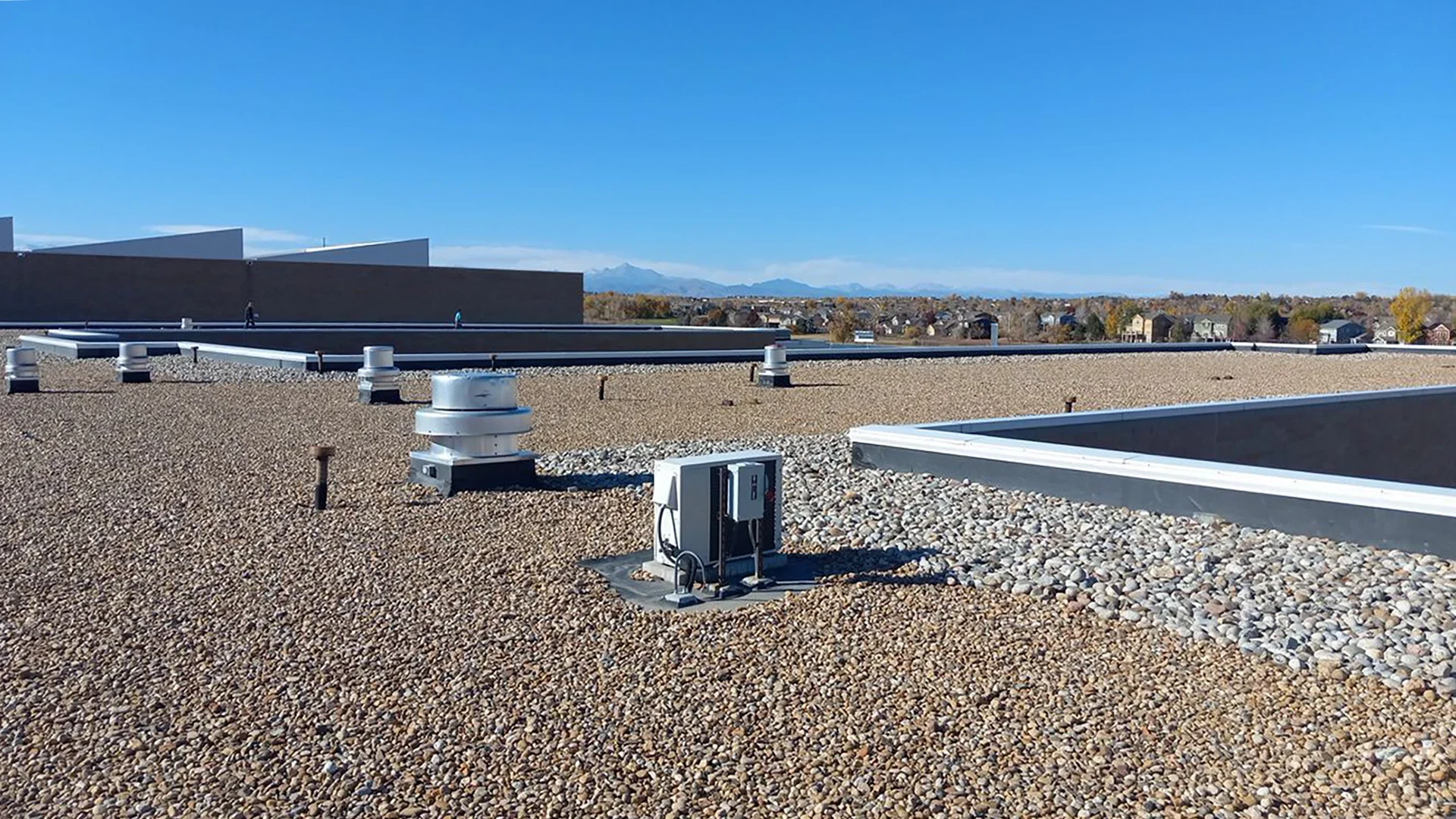
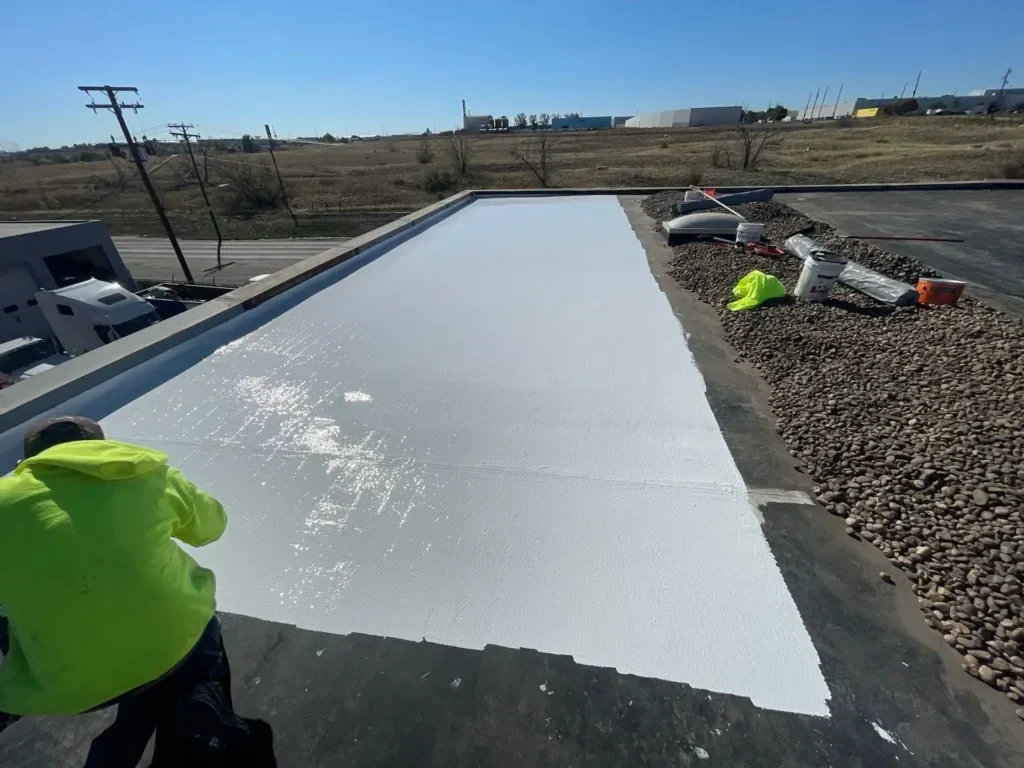
PVC Membrane Roofing for Chemical and Grease Exposure
PVC's chemical resistance is the reason it shows up on our bid list for buildings other membranes aren't suited to: food-processing plants, restaurant exhaust roofs, and fleet-maintenance facilities where grease, oil, or solvent exposure would degrade a standard TPO or EPDM sheet over time.
PVC's Chemical Resistance on Food-Processing and Fleet-Maintenance Roofs
Grease-laden exhaust from restaurant kitchen equipment and processing-plant ventilation settles on the roof surface downwind of the exhaust fan, and over years that exposure breaks down membranes that aren't formulated to resist it. PVC's chemical composition holds up to grease, oil, and many common solvents better than TPO or EPDM, which is why manufacturers specifically market PVC for restaurant and food-service rooftop applications.
Around Hershey's food-processing plants and the restaurant and fleet-service buildings scattered through the corridor, we bring PVC into the conversation any time a kitchen exhaust fan, oil-handling area, or vehicle-maintenance bay sits near or on the roof structure.
Truck maintenance and fueling facilities along the I-81 corridor present a similar case even without a kitchen involved. Petroleum-based fluids and solvents used in vehicle service bays can migrate to the roof surface through exhaust and ventilation paths, and PVC's resistance to that class of chemical exposure is a specific, practical reason to spec it over a standard membrane.
We ask about the building's actual use, in addition to its occupancy classification, before ruling PVC in or out. A distribution center with an attached truck-wash bay or a grocery store with a large rooftop refrigeration compressor rack both carry chemical-exposure risks that a generic warehouse or retail spec wouldn't flag on its own.
Hot-Air Welding and Seam Strength
PVC seams are hot-air welded, similar to TPO, producing a homogeneous bond between sheets rather than a taped or glued splice. On a properly welded PVC seam, the bond strength typically exceeds the tensile strength of the membrane itself, which is part of why PVC has such a long track record on European and North American commercial roofs.
Weld temperature and speed have to be dialed in for PVC's specific formulation, which differs from TPO welding parameters even though the equipment looks similar. We calibrate welders to the specific product before crews start seaming, and probe-test seams as installation proceeds.
Ambient temperature affects PVC weld quality more than it does on some other membranes, so on cold-weather installations we monitor sheet surface temperature directly rather than relying on air temperature alone, adjusting welder settings through the day as conditions shift.
Fire Rating and Code Considerations for Adjacent-Occupancy Buildings
PVC membrane has a long history in fire-rated roof assemblies, which matters on buildings close to property lines or adjacent to other structures where fire rating is part of the code review. When we're pulling together a submittal package for a building official on one of these projects, the fire-test documentation for the specific PVC assembly is one of the first things we assemble:
- UL fire-rated assembly listing for the specific membrane, insulation, and deck combination
- Wind-uplift rating (FM or UL) matched to the building's exposure category
- Manufacturer product data sheets for the specific PVC formulation
- Insulation and cover-board fire classification documentation
- Deck type and gauge confirmation for the fire-rated assembly to apply
Assembling this package early avoids delays at plan review, particularly on projects near the State Capitol complex or other government-adjacent sites where review can be more exacting.
Plasticizer Retention and Long-Term Flexibility
Older-generation PVC membranes had a reputation for becoming brittle over time as plasticizers migrated out of the sheet, especially in high-UV, high-heat climates. Current-generation PVC formulations retain plasticizer far better than the products from decades ago, and manufacturer warranty terms reflect that improved long-term flexibility.
We specify current-generation product lines and confirm plasticizer-retention data from the manufacturer as part of any PVC bid, since it's a legitimate historical concern worth addressing directly with an owner rather than assuming they already know the product has changed.
We also review the manufacturer's UV stabilizer package as part of that conversation, since it works alongside plasticizer retention to determine how the membrane's surface holds up to years of direct sun exposure on an unshaded warehouse or fleet-yard roof.
PVC Roofing: Common Questions from Facility Managers
Is PVC roofing more expensive than TPO?
Typically, yes, PVC carries a material premium over standard TPO. The added chemical resistance and weld strength justify that premium on buildings with grease, oil, or solvent exposure; on a standard warehouse without that exposure, TPO usually makes more economic sense.
Does PVC need special maintenance around kitchen exhaust equipment?
Periodic cleaning of grease buildup near exhaust fan discharge points extends the roof's service life regardless of membrane type, but PVC handles the chemical exposure between cleanings better than other membranes.
Can PVC be welded to TPO membrane during a tie-in?
No, PVC and TPO are chemically incompatible for direct hot-air welding. Tie-ins between the two membrane families require a separate transition detail, which we plan for during design rather than discovering in the field.
How long has PVC been used in commercial roofing?
PVC roofing membrane has a long installed track record in commercial applications, predating TPO's rise in the North American market, with some installations documented in service for multiple decades.
Does PVC hold up to Pennsylvania winters as well as summer heat?
Current-generation PVC formulations are designed for year-round temperature cycling, including freeze-thaw conditions. We confirm the manufacturer's cold-weather performance data for the specific product line during specification.