
Commercial Roofing Services
Commercial Roofing
Harrisburg, PA
Harrisburg, PA
Commercial Roof Insurance Claim Assistance in Harrisburg, PA

Commercial Roof Insurance Claim Assistance in Harrisburg
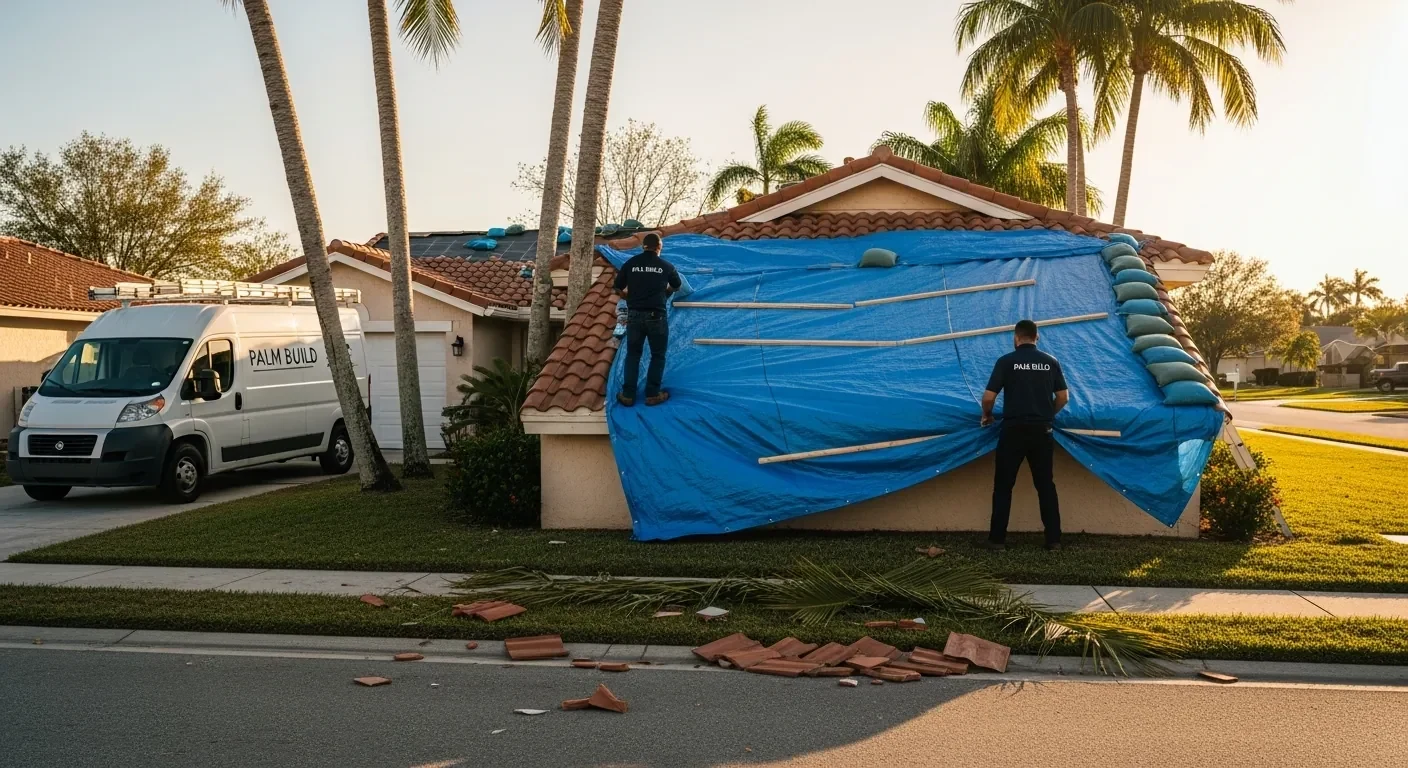
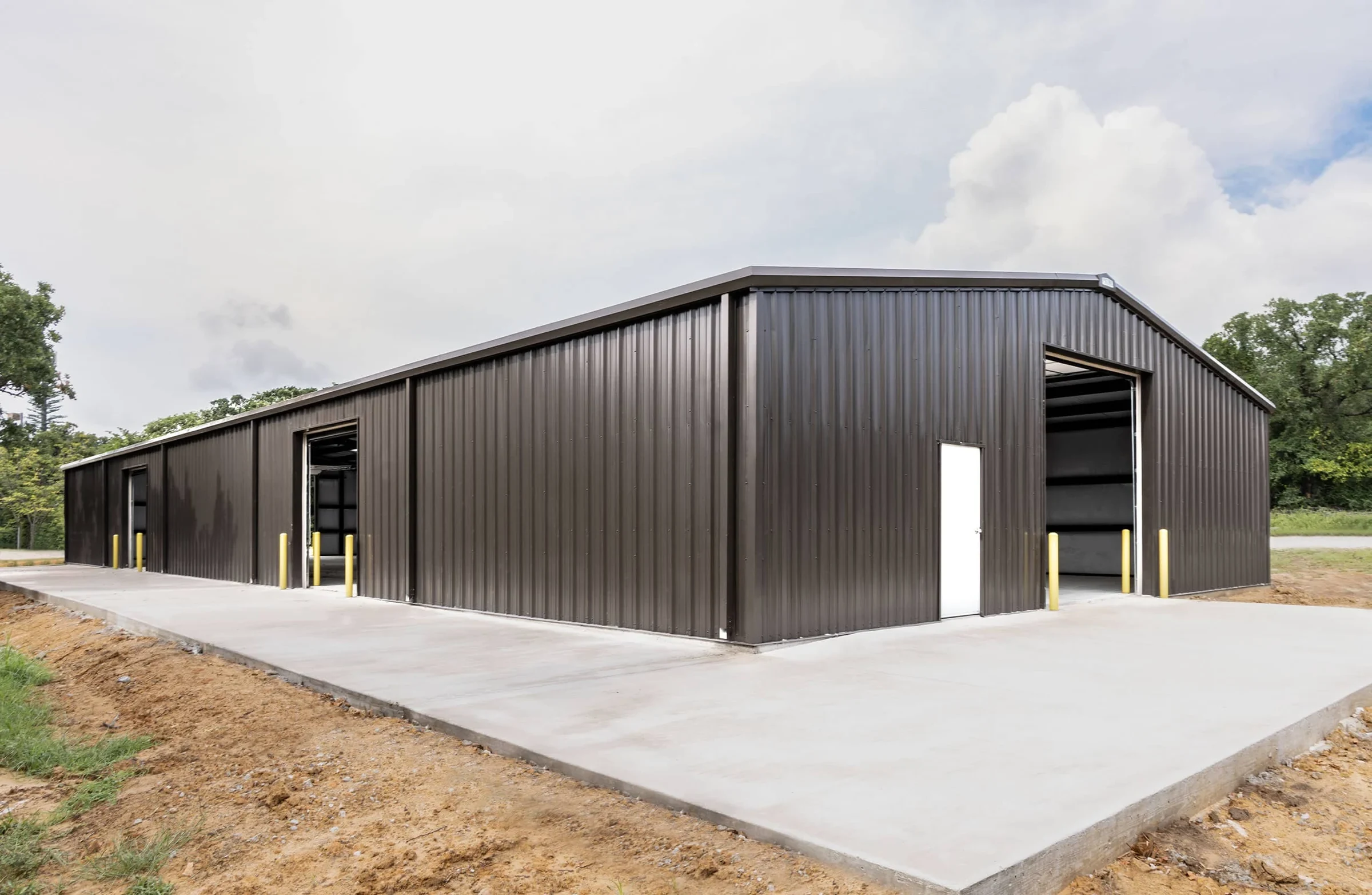
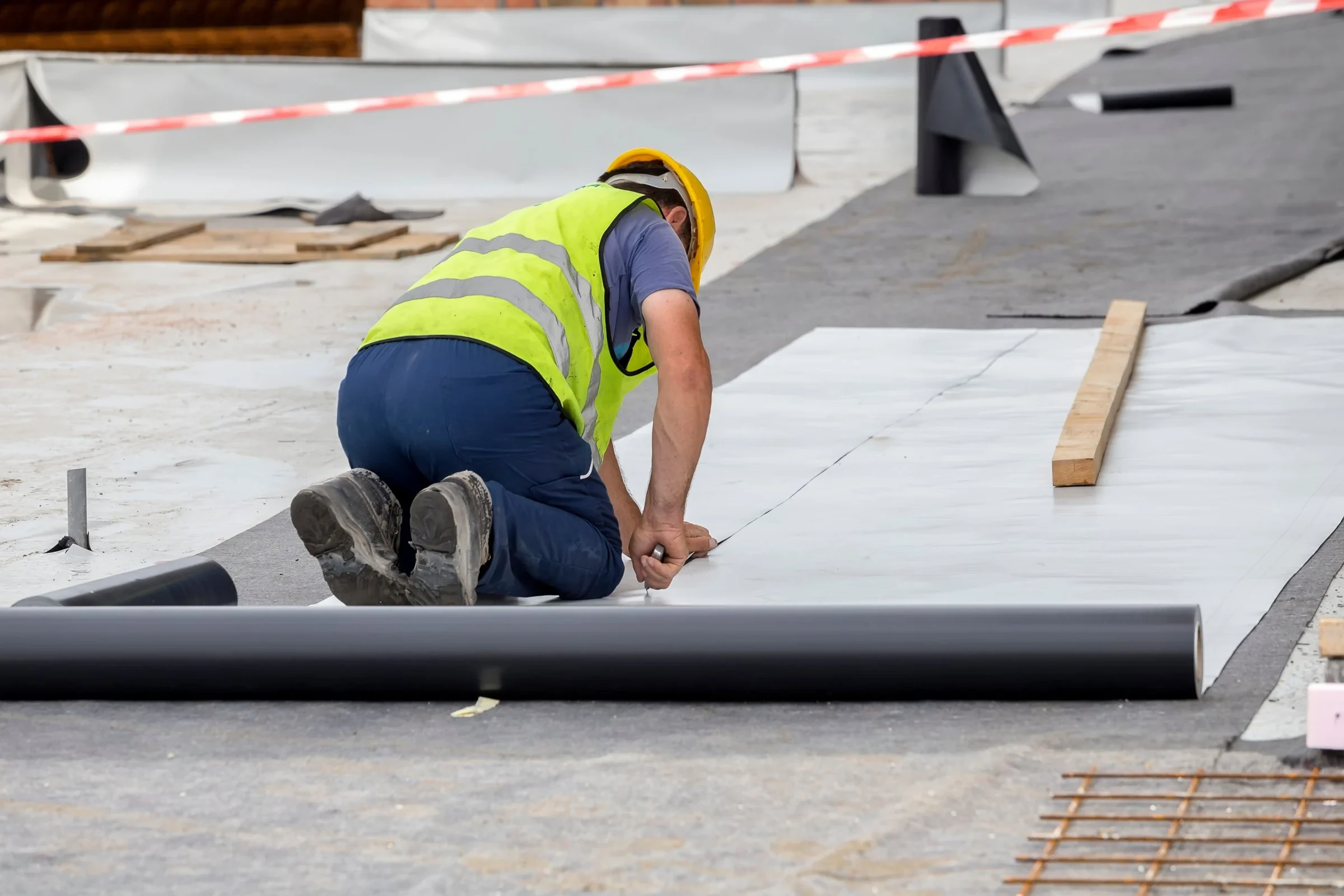
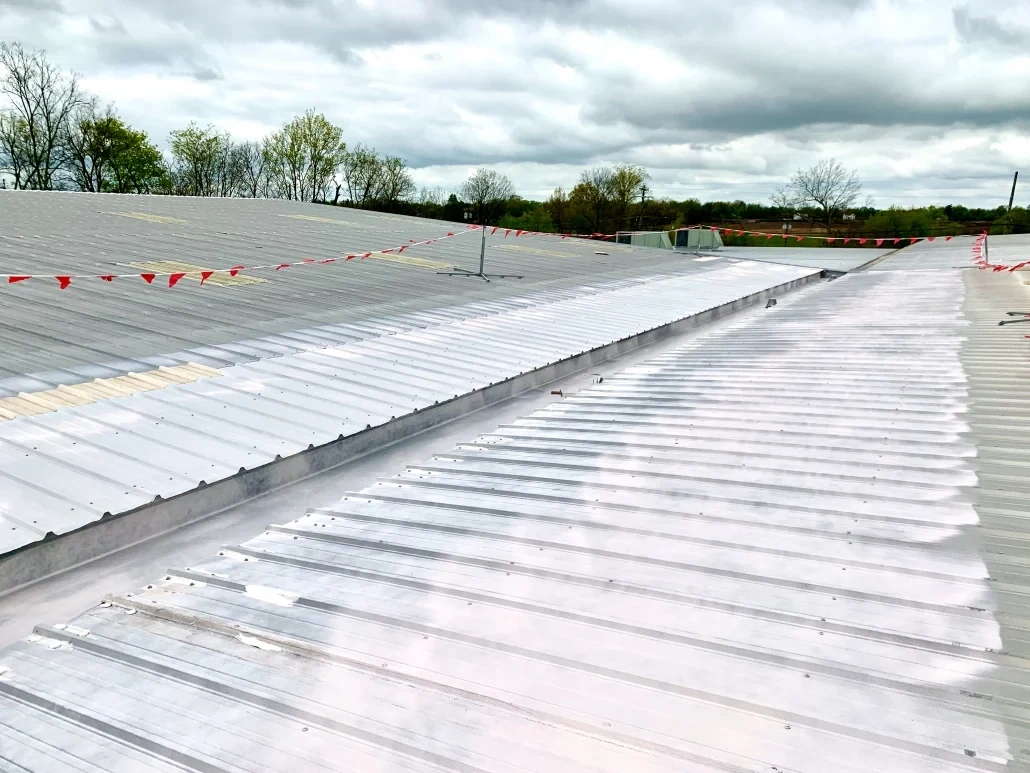
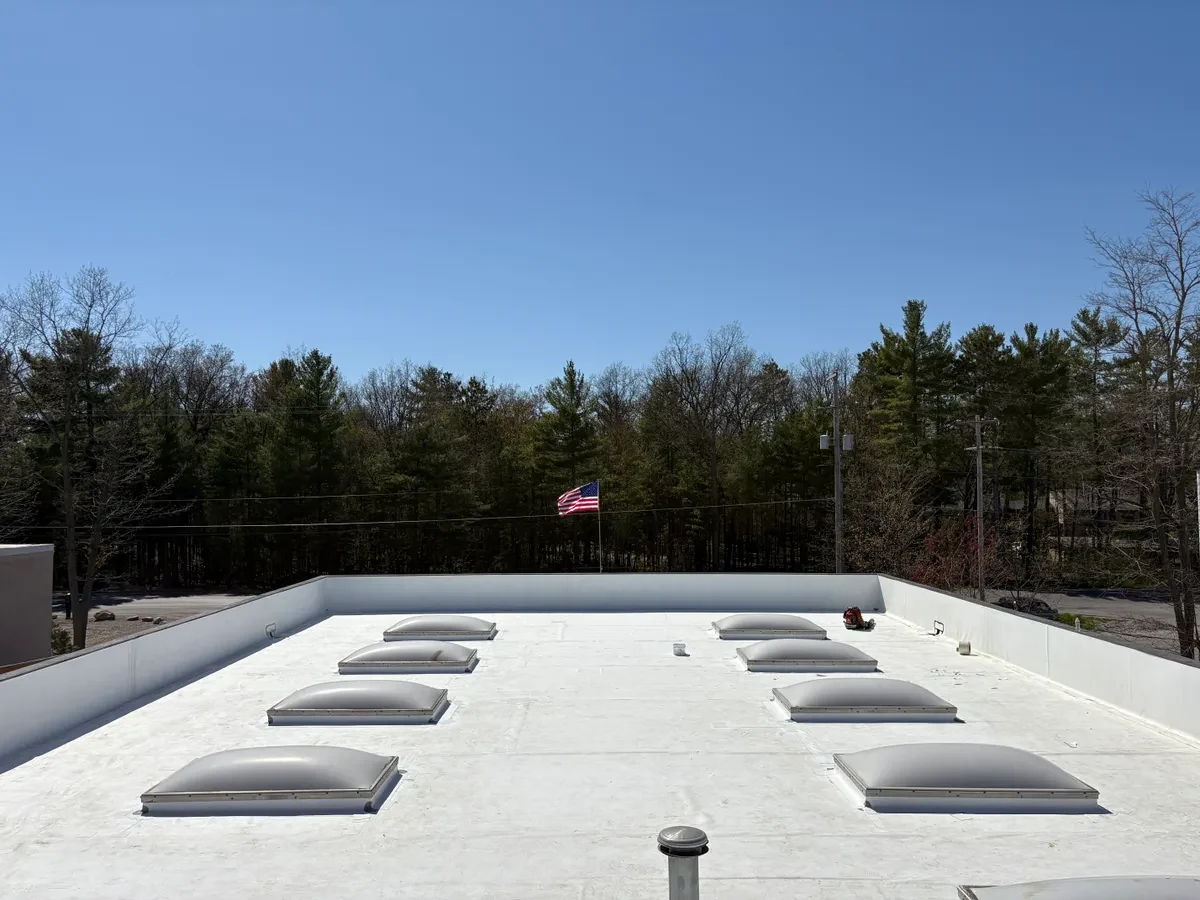
A commercial roof claim in Harrisburg usually starts the same way: a property manager notices a leak after a storm, or a routine inspection turns up damage nobody had flagged before, and now there's an insurance carrier involved. The buildings across the region range from state office towers near the Capitol complex to distribution centers stacked along the I-81 and I-78 corridors to smaller commercial strips in Camp Hill and Mechanicsburg, and every one of those roof types carries a different claim history. Our role is straightforward: we inspect the roof, document what we find, and put together the kind of assessment an adjuster can actually work from.
What a Strong Claim Starts With
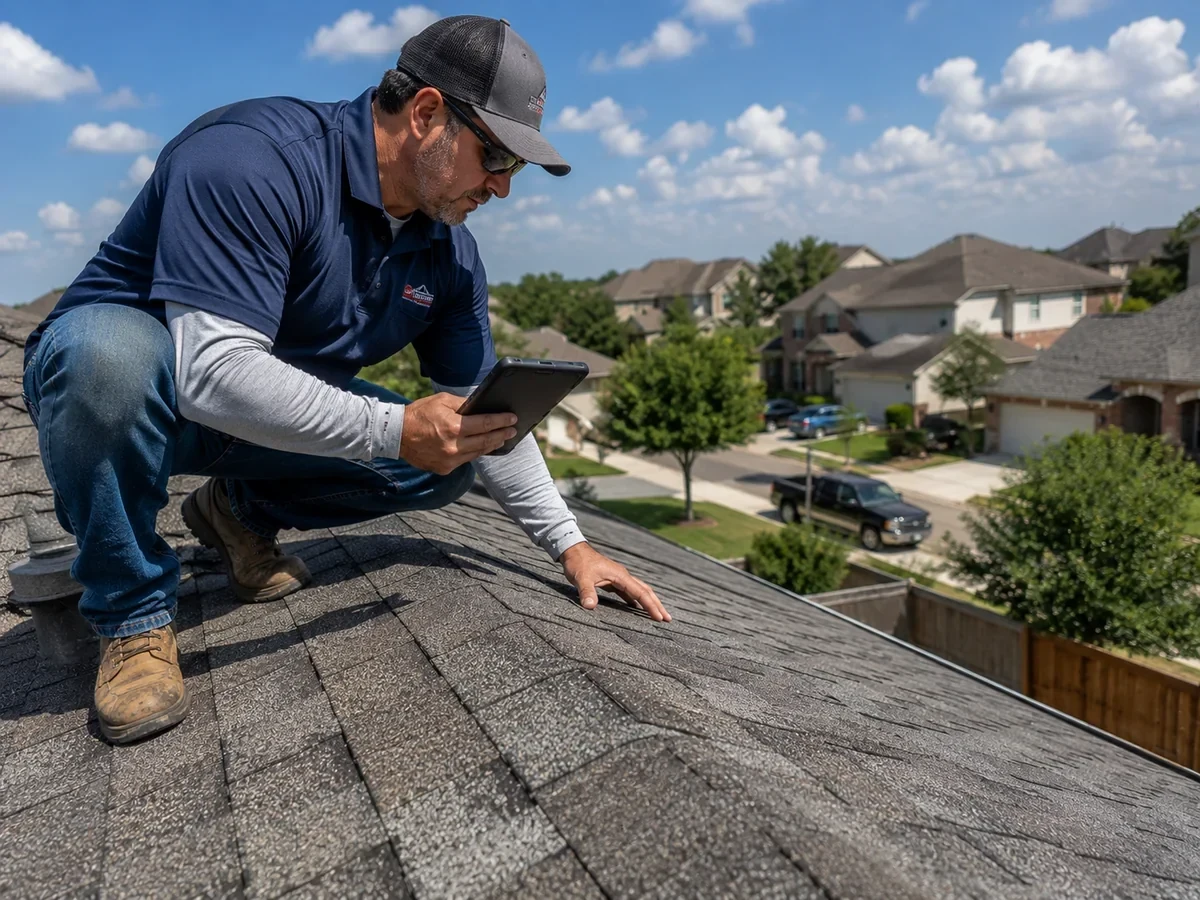
Before anything goes to a carrier, the roof needs to be documented the way an adjuster expects to see it — photos organized by zone, moisture readings where infiltration is suspected, measurements of affected square footage, and a written account of what caused the damage and when it likely occurred. A vague description of "storm damage" doesn't carry much weight on its own. A set of zone-by-zone photos cross-referenced against a specific weather event does.
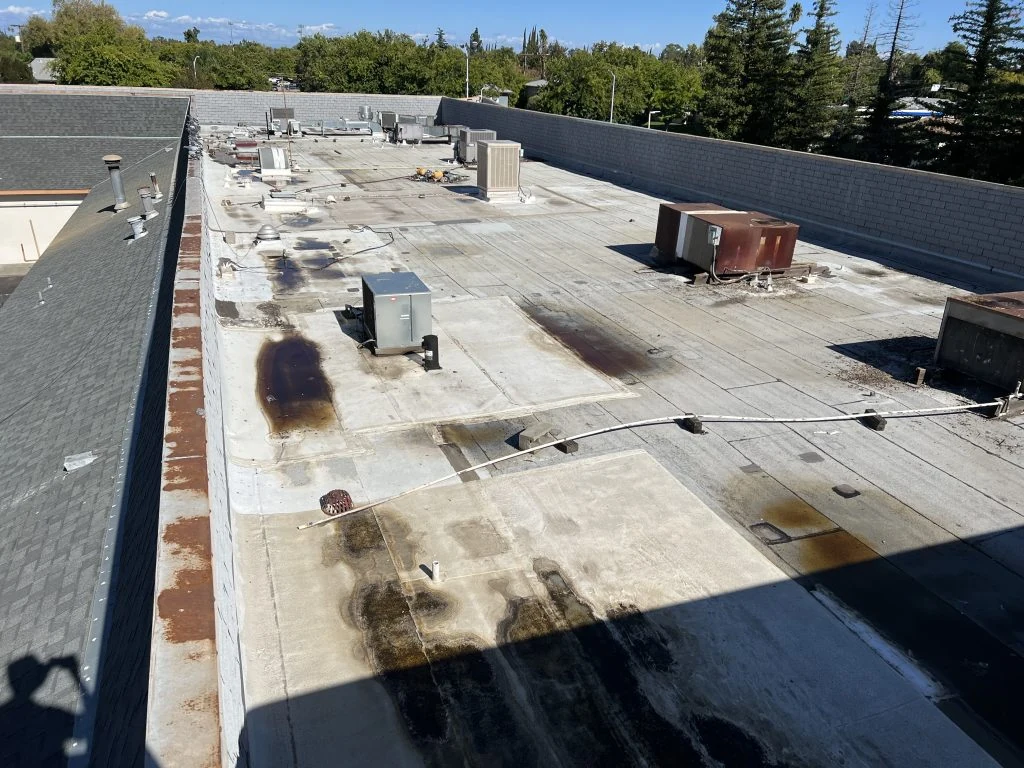
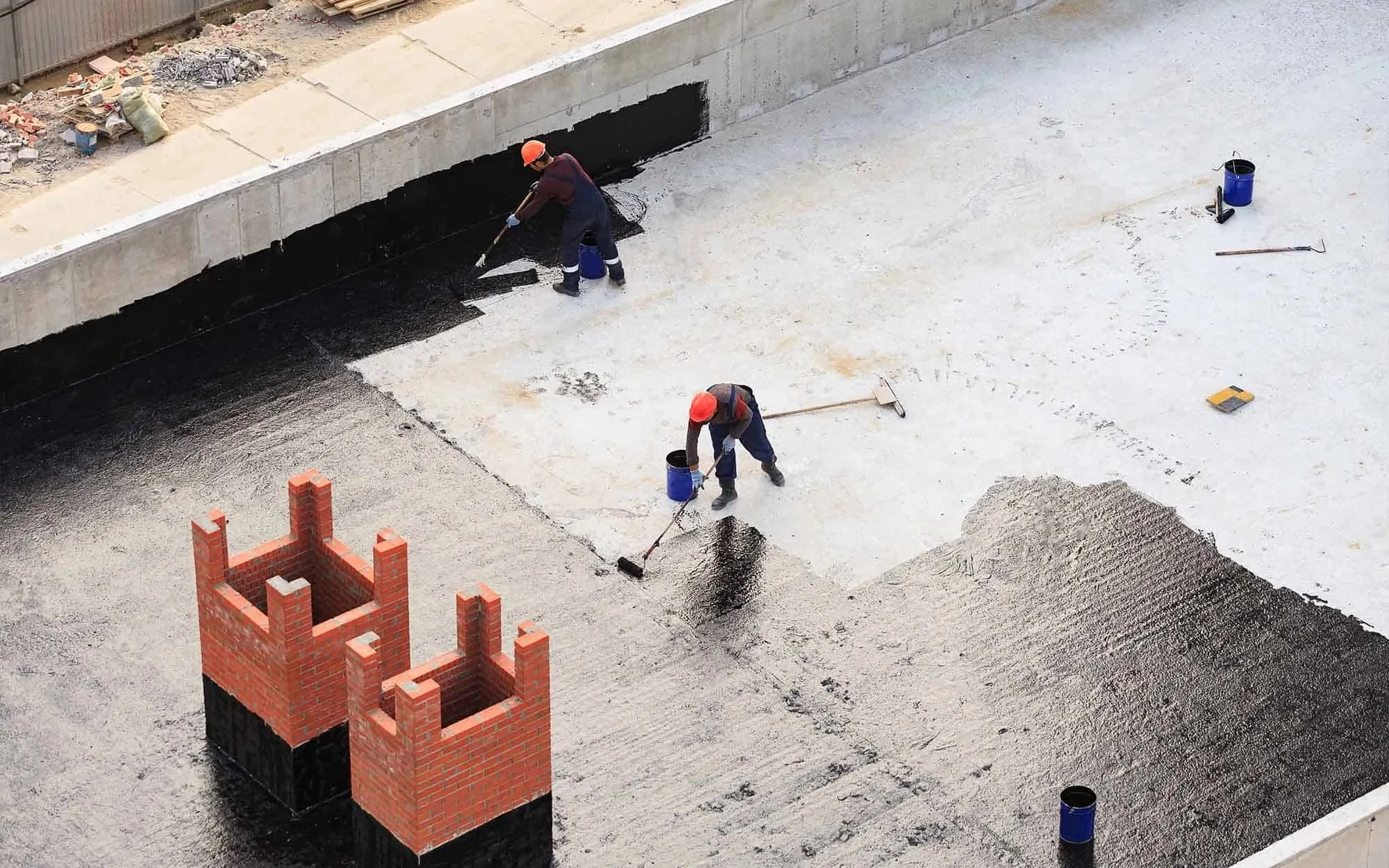
On older built-up and modified bitumen roofs common on Harrisburg's institutional buildings, we also note what condition the roof was in beforehand, when that history is available. Adjusters and their engineers are trained to separate storm-caused damage from ordinary wear, and a contractor that's upfront about that distinction produces a document the carrier trusts rather than one it has to second-guess.
Meeting the Adjuster on the Roof
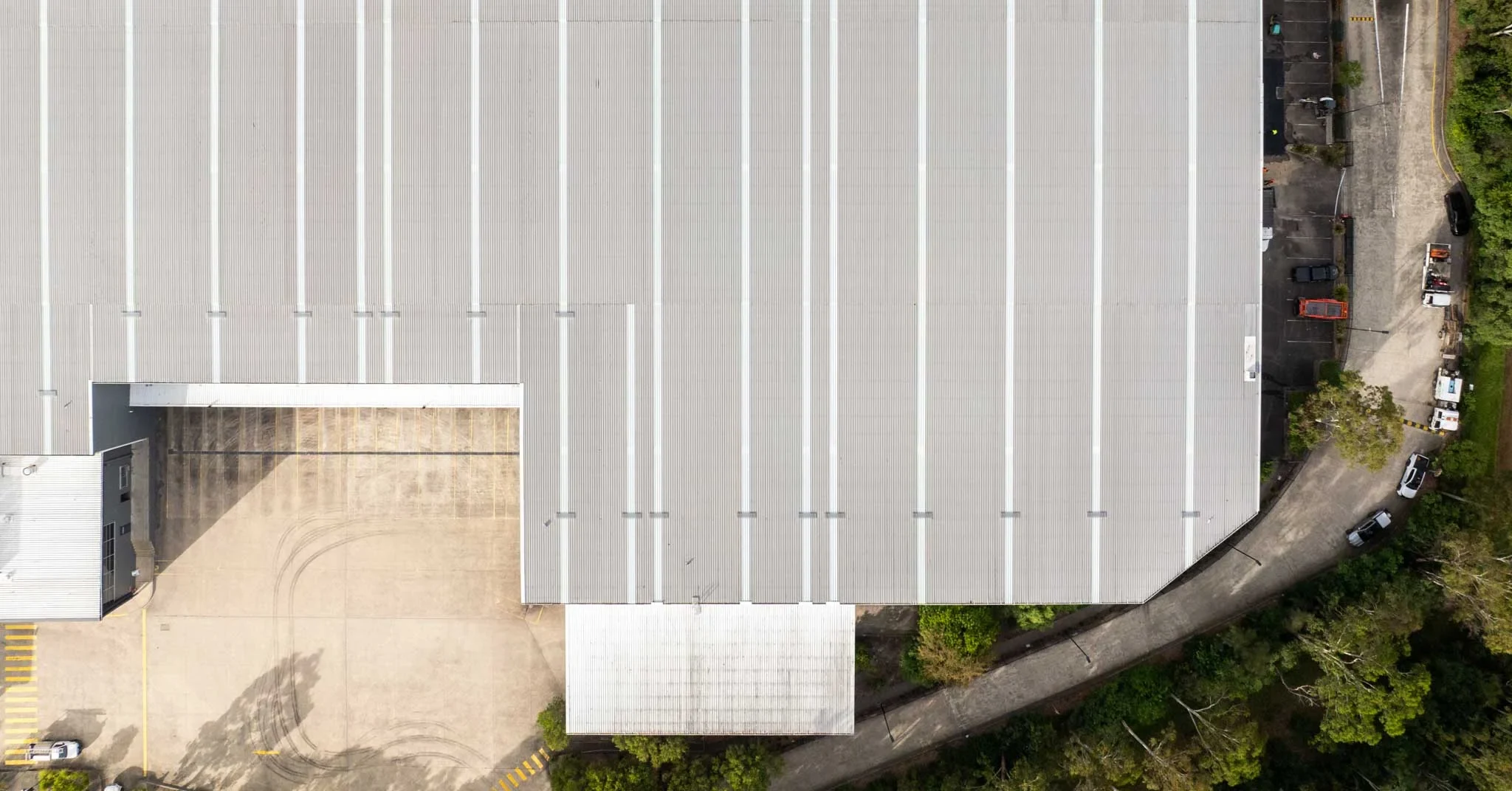
We walk the roof with the adjuster when that's useful, pointing to the specific locations we documented and explaining what we found. On a large distribution or logistics roof along the I-81 corridor, that walk-through can cover a lot of membrane in a limited inspection window, and having someone who already mapped the damage in detail keeps the visit efficient and thorough instead of a rushed pass over a few hundred thousand square feet. We're not there to argue coverage — that determination belongs to the adjuster and the carrier — we're there so nothing gets missed.
Framing the Complete Scope
One of the most common gaps in a commercial roof claim is scope that stops at visible repair and skips the parts a code-compliant job actually requires: current energy code insulation values, matching an existing membrane color or profile where partial replacement is impractical, and edge-metal or coping upgrades that a partial repair would otherwise leave incompatible with the surrounding roof. We itemize that full scope in our assessment so the claim reflects what the roof genuinely needs, rather than only what's easiest to estimate from a desk review.
When a Claim Comes Back Denied or Underpaid
A denial or a lowball settlement isn't always the end of the conversation. If a carrier's estimate leaves out line items our inspection documented, or a denial rests on a factual read of the roof we don't think holds up, we can produce a supplemental inspection report and a line-item comparison showing exactly where our findings differ and why, backed by manufacturer specifications and applicable code sections. That report goes to the building owner and their adjuster to work with — we don't file appeals or negotiate the claim ourselves.
Repair Versus Full Replacement
Whether a roof needs a repair or a full section replacement often comes down to how widespread the damage is relative to the roof's remaining service life. A TPO or EPDM membrane with isolated wind-lifted seams might only need targeted repair; the same membrane with damage scattered across multiple zones, combined with age already near the end of its expected life, usually points toward replacement. We lay out that reasoning in the assessment so it's not a guess — it's backed by what the inspection actually found.
A note on our role: we're your roofing contractor, not a public adjuster. We inspect, document, and substantiate the roof damage so you and your adjuster are working from an accurate scope, not a guessed one.
Insurance Claim Questions Harrisburg Owners Ask
Does insurance cover commercial roof replacement?
Coverage depends on the cause of loss and the specific policy, which is determined by the carrier, not by us. What our inspection provides is the documentation showing whether the damage is consistent with a covered event and how extensive it is.
What does the claim process usually look like from the roofing side?
We inspect and document the damage, provide that assessment to the building owner, and are available to walk the roof with the adjuster during their own inspection. The owner and their adjuster or agent handle filing and carrier communication.
What if our claim gets denied?
We can review the denial against our own inspection findings and produce a supplemental report if we believe the roof's condition supports a different conclusion. That report is something the owner can bring back to their adjuster.
Can you help if a settlement seems too low?
Yes, in the sense that we'll provide a detailed line-item comparison between our documented scope and the carrier's estimate, with the reasoning and specifications behind each difference. We don't negotiate the settlement directly.
Who decides between repair and full replacement?
The inspection findings drive the recommendation — extent of damage, remaining roof life, and whether a targeted repair can be properly matched to the existing system. The final coverage decision rests with the carrier.
Do you work on roofs across the whole Harrisburg region?
Yes, from downtown office buildings and state facilities near the Capitol to warehouse and distribution roofs along the I-81 and I-78 corridors and commercial buildings throughout Dauphin, Cumberland, and Lebanon counties.