
Commercial Roofing Services
Commercial Roofing
Harrisburg, PA
Harrisburg, PA
EPDM Commercial Roofing in Harrisburg, PA
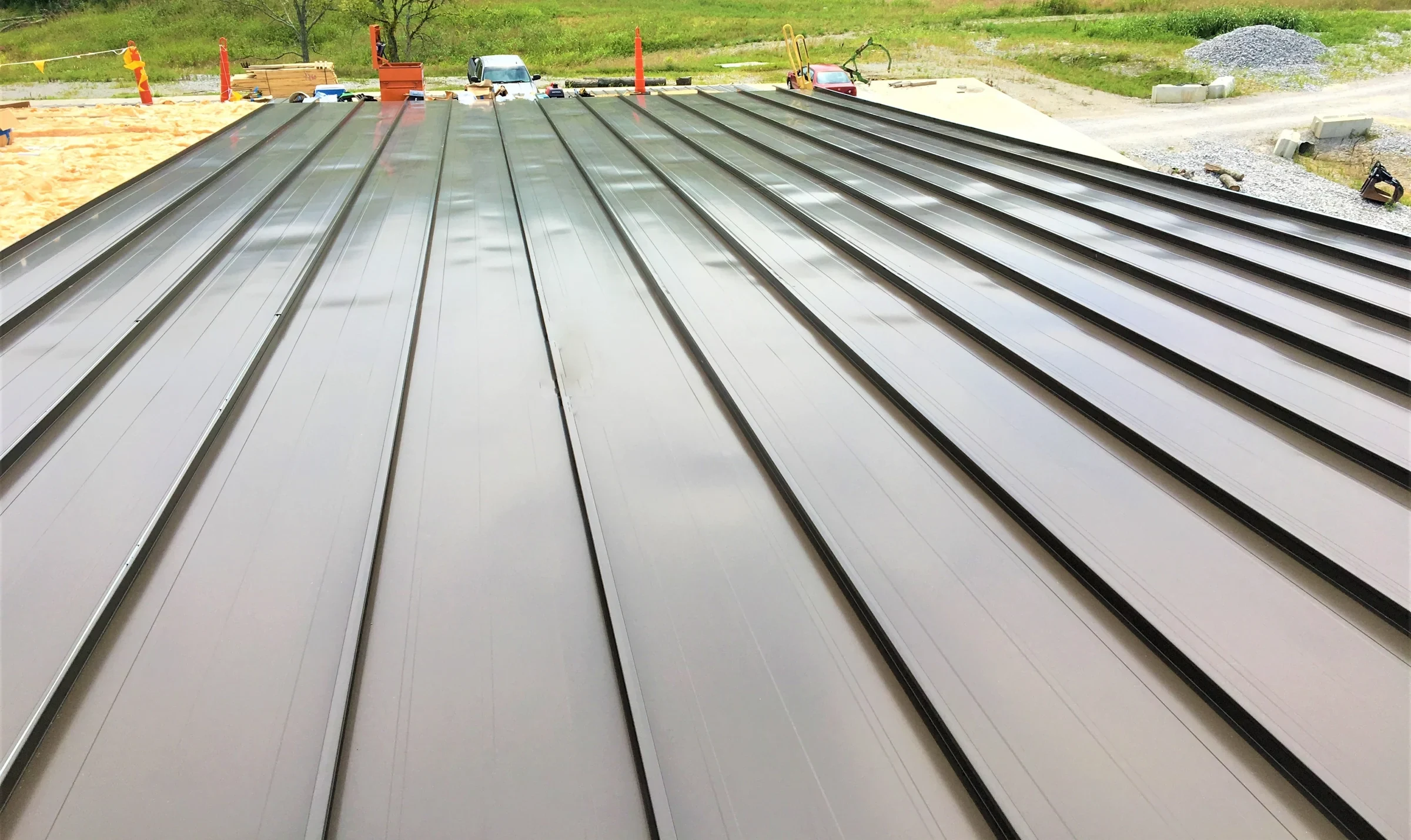
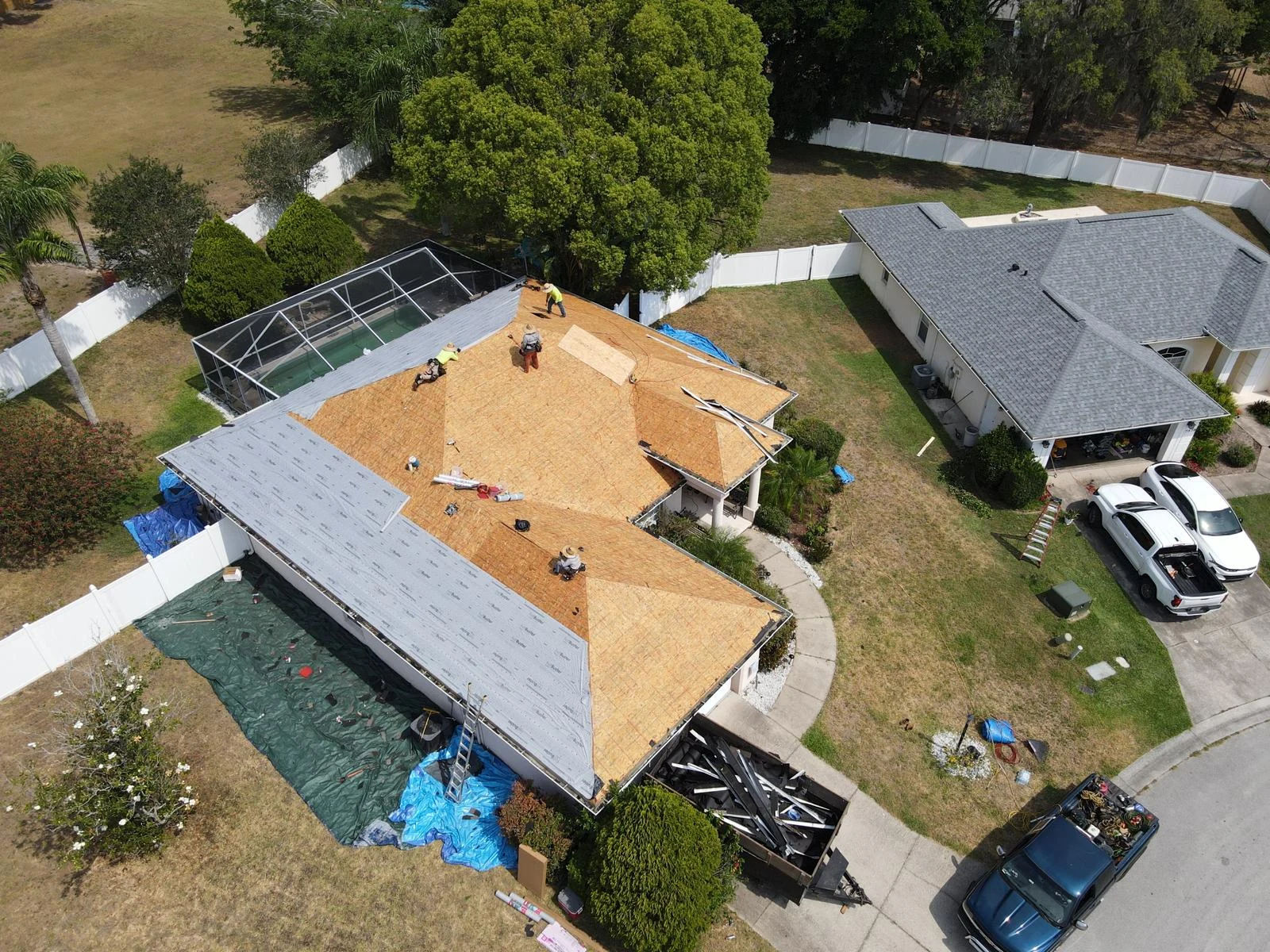
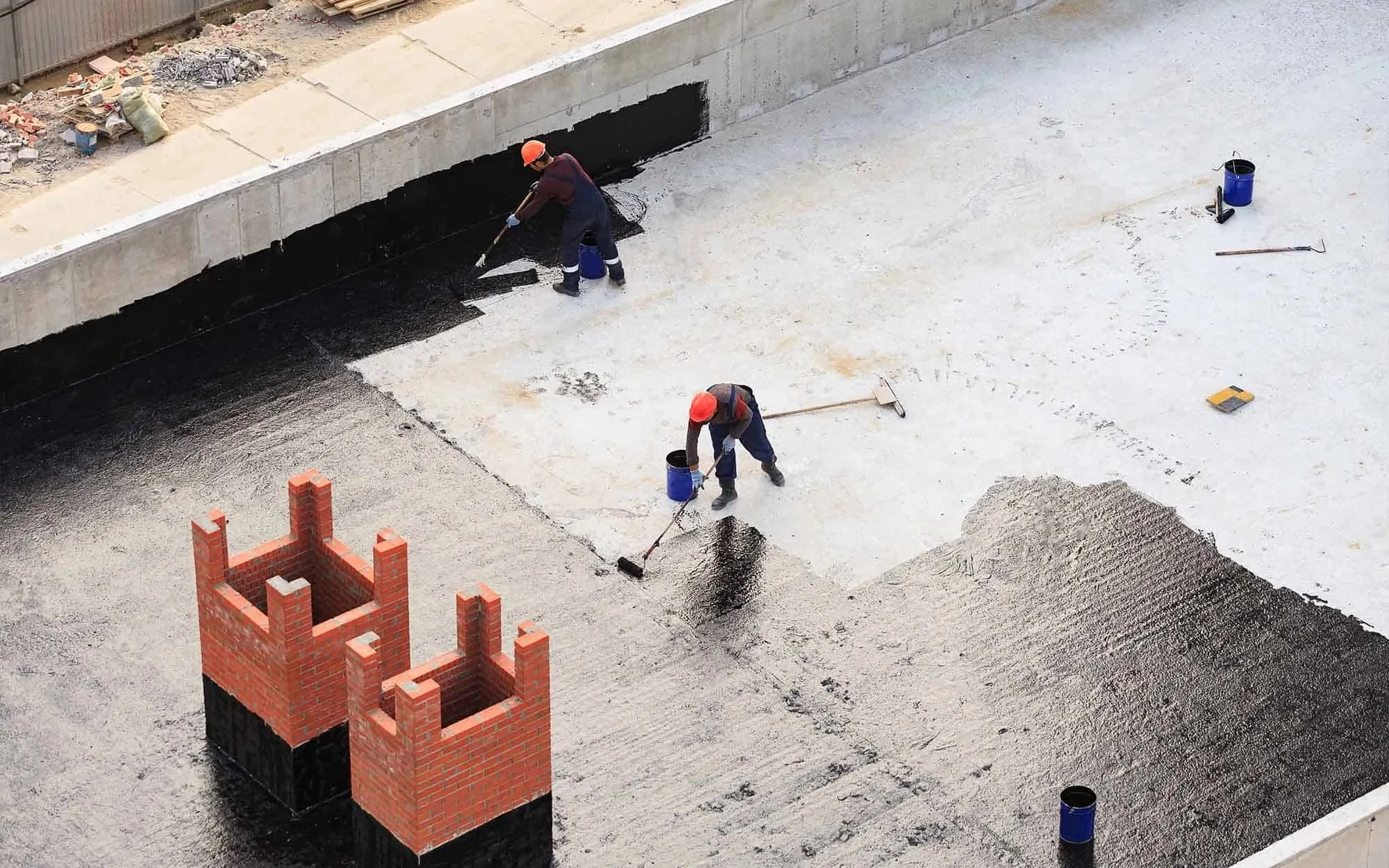
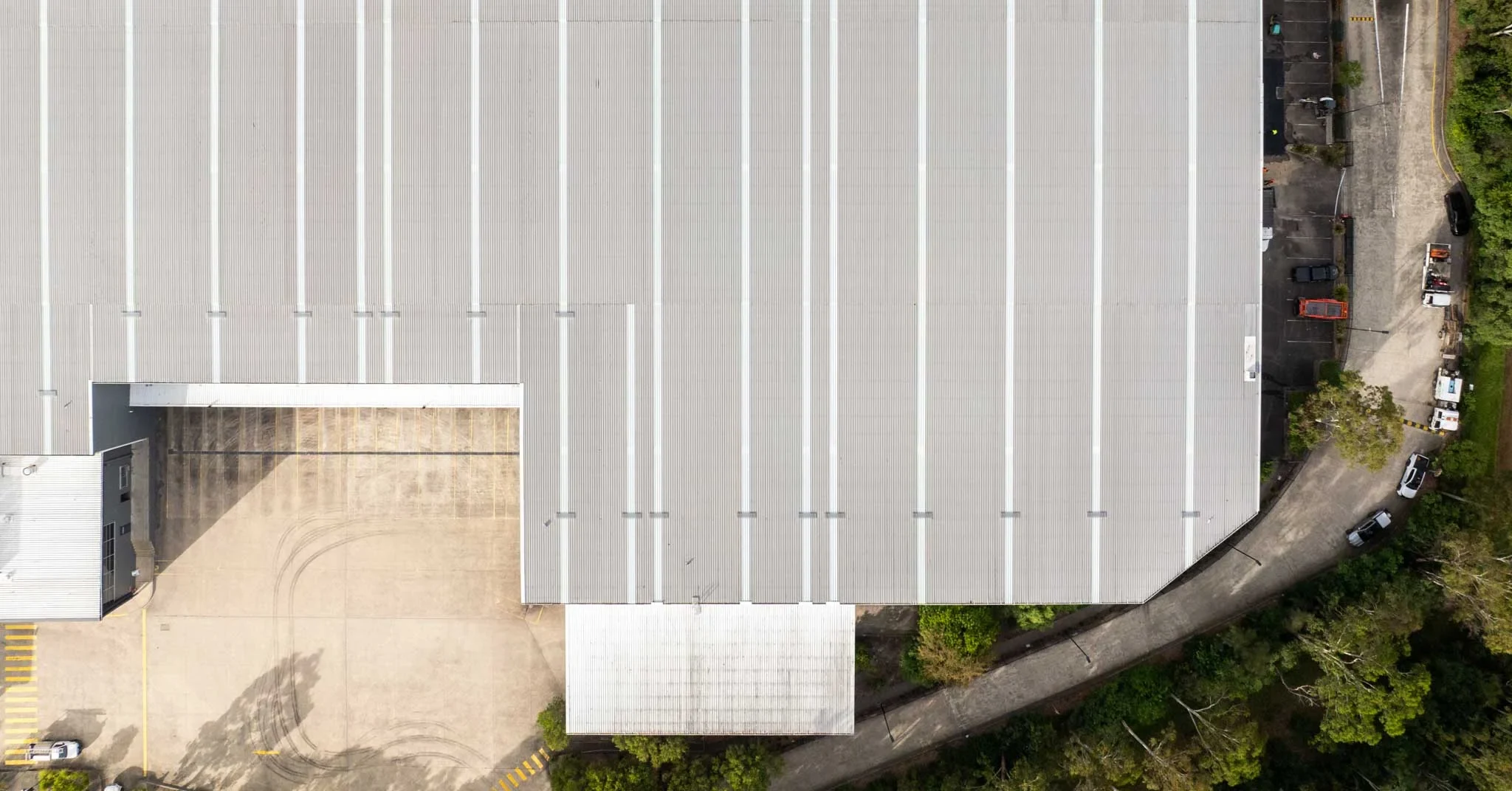
EPDM for the West Shore's Older Commercial Buildings
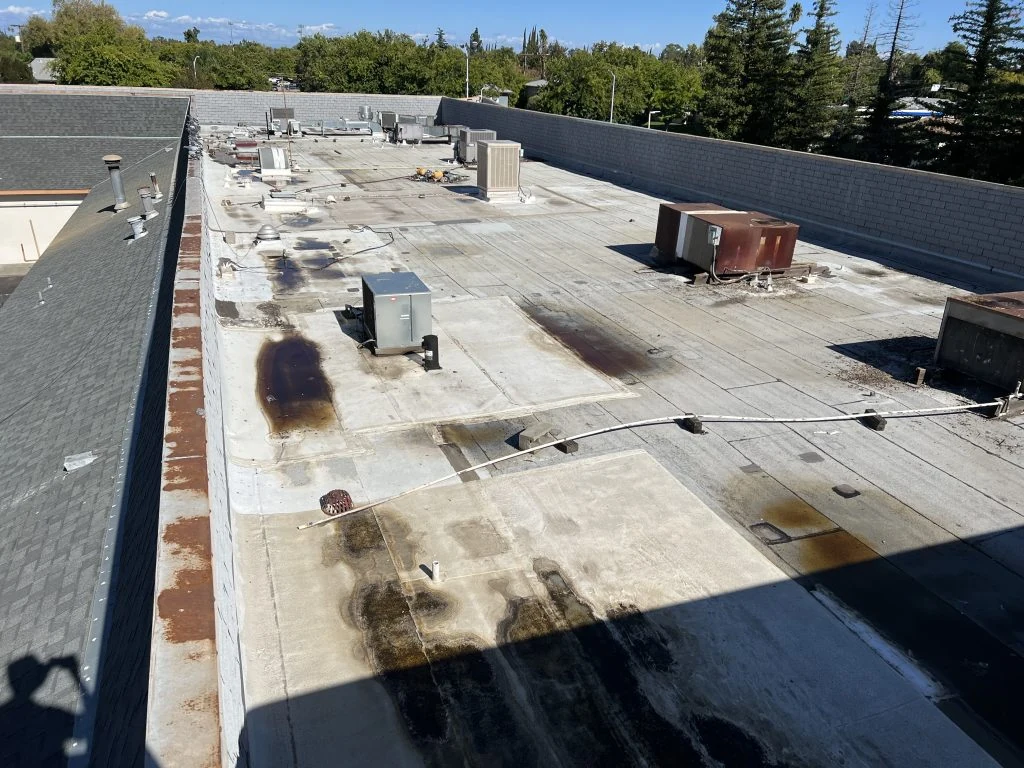
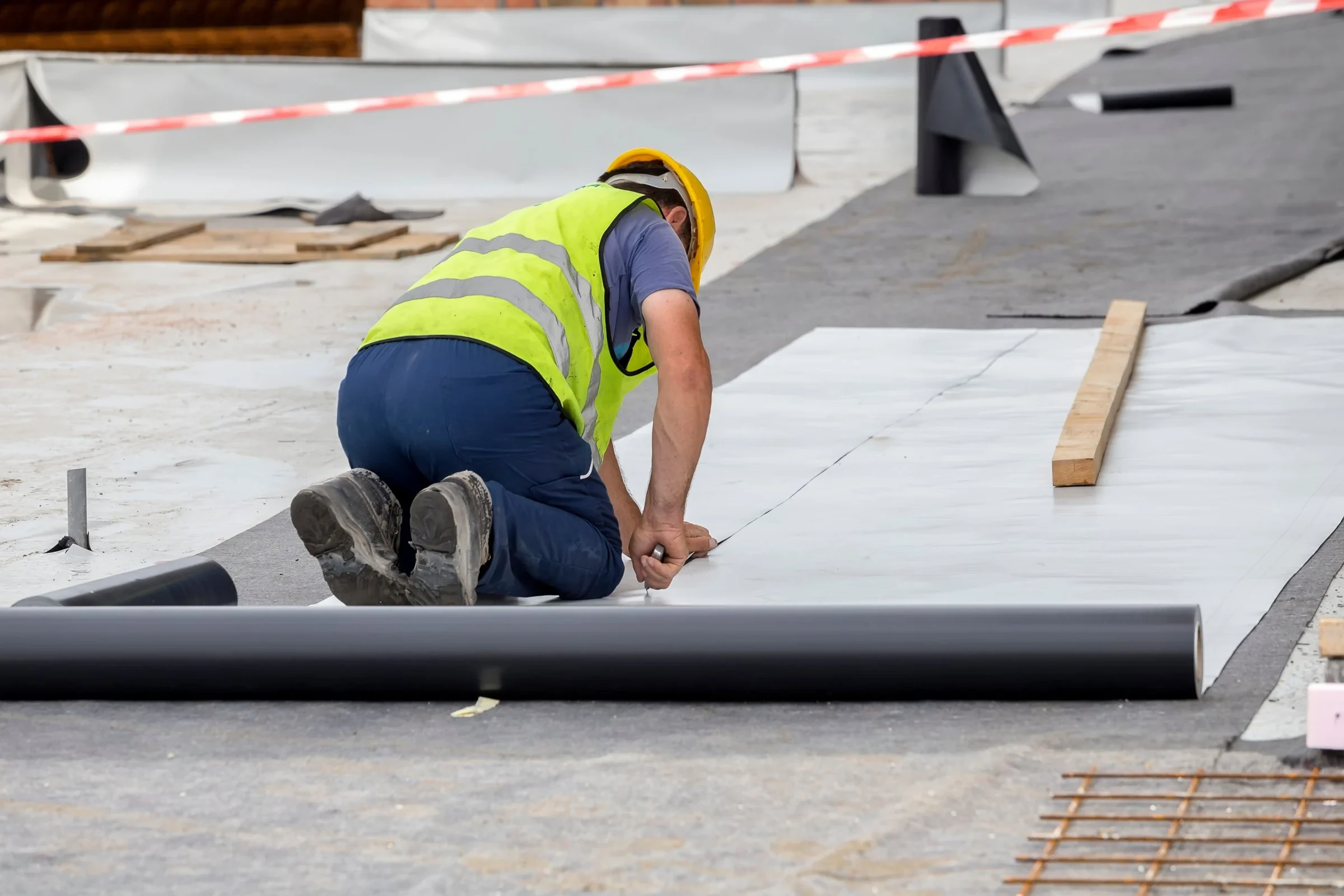
A large share of the commercial roofs on the West Shore, in boroughs like Lemoyne, Wormleysburg, and Shiremanstown, were built or last reroofed with EPDM, and the system still earns its place on our proposals today. It's a rubber membrane with a long track record in this climate, simple field seams, and a lower material cost than TPO or PVC on buildings where reflectivity isn't the deciding factor.
Black EPDM Versus White EPDM
Black EPDM remains the more common spec on older buildings we're recovering or replacing, largely because it's what was already there and matching the existing detail work is simpler. White EPDM exists for owners chasing reflectivity requirements without switching membrane families entirely, though we're candid that TPO usually wins that comparison on cost and seam-weld strength if a full switch is on the table anyway. We walk owners through both before defaulting to whichever was installed last time.
Seam Tape Systems and Where They Fail
EPDM's field seams rely on seam tape or liquid-applied adhesive rather than heat-welding, and that's the system's most common failure point on older roofs we inspect around Enola and the industrial buildings near the rail yard. Seam tape degrades with age and UV exposure at exposed lap edges, and a roof that's fifteen or more years past its last reroof often shows lifting seams well before the membrane field itself shows any real wear. We inspect seam integrity independently from membrane condition on every EPDM assessment, because replacing membrane while leaving degraded seam tape underneath solves nothing.
Attachment and Structural Load Considerations
Ballasted EPDM, held down with a layer of river stone, was common on buildings from decades back, and some of those roofs are still in service on older commercial stock throughout the county. Ballast adds real dead load to a structure, and on any recover or reroof project involving a ballasted system, we confirm the deck's current structural capacity before assuming a like-for-like replacement is appropriate. Mechanically attached and fully adhered EPDM are the more common specs on newer installations, chosen based on the building's wind uplift requirements and penetration density. We also factor in warranty repair scope specifically for repair-only work, since a partial EPDM repair carries narrower coverage than a full system replacement, and owners deciding between the two options need that distinction in writing before choosing a path.
- Black EPDM matched to existing detail work on older reroofs
- White EPDM where reflectivity is required without a full system switch
- Seam tape and lap adhesive inspected separately from membrane field condition
- Mechanically attached, fully adhered, or ballasted by structural capacity
- Flashing and penetration detail rework at every seam-degraded roof
- Manufacturer-registered warranty documentation at project closeout
Cold-Weather Installation Limits
EPDM adhesives and seam tape have manufacturer-stated minimum application temperatures, and central Pennsylvania's winter routinely drops below those thresholds for weeks at a stretch. We schedule EPDM installation and major repair work around that window rather than applying adhesive in marginal cold and hoping the bond holds, because a seam bonded below the rated temperature is a warranty claim waiting to happen once freeze-thaw cycling starts working on it.
Recover Versus Full Replacement on Aging EPDM Roofs
Older EPDM roofs in this region often show a specific pattern: sound membrane field, degraded seams, and localized wet insulation near drains or parapet transitions where water tracked in through a failed lap over years. That pattern usually points toward targeted repair or a recover system rather than full tear-off, provided a moisture survey confirms the wet area is contained. Widespread saturation changes that recommendation to full replacement, because a recover system installed over broadly wet insulation just buys a few years before the same problem resurfaces.
We also look at how many patch layers are already on the roof before recommending recover. A membrane with a decade of accumulated field patches has more penetrations through the original waterproofing layer than a fresh roof would, and each of those patches is a future seam-failure candidate whether or not it's leaking today. Beyond a certain patch density, full replacement is the more honest recommendation even if the moisture survey comes back mostly dry.
EPDM Questions From Building Owners
Is EPDM still a good option compared to TPO for a new roof?
It depends on the building. EPDM costs less on straightforward roofs with simple geometry, but TPO's heat-welded seams generally outperform seam tape over the long term. We'll spec whichever fits the building's use, budget, and warranty requirements rather than defaulting to one system.
How do you know if a seam problem is isolated or roof-wide?
We inspect every seam lap on the roof, not a sample, checking for lifting edges, cracked tape, or gaps at T-joints. That inspection tells us whether targeted seam repair will hold or whether the whole roof needs new seam treatment.
Can you install EPDM over an existing ballasted roof?
Only after confirming the deck's structural capacity, since ballast already adds significant dead load. We evaluate that before recommending any recover approach on a ballasted system.
What causes EPDM seams to fail faster than the membrane itself?
UV exposure and age degrade seam tape and lap adhesive faster than they degrade the membrane field, particularly at exposed edges. Regular seam inspection catches this before it becomes a leak.
How long does an EPDM roof typically last in this climate before reroofing is necessary?
Service life varies with attachment method, maintenance history, and how many freeze-thaw cycles the seams have absorbed, but a well-maintained EPDM roof in this region regularly reaches or exceeds its expected design life. Seam condition, not membrane wear alone, is usually what determines when reroofing becomes the responsible call.