
Commercial Roofing Services
Commercial Roofing
Harrisburg, PA
Harrisburg, PA
Modified Bitumen Roofing in Harrisburg, PA
Modified Bitumen for Steelton's Riverfront Buildings and Older Downtown Stock
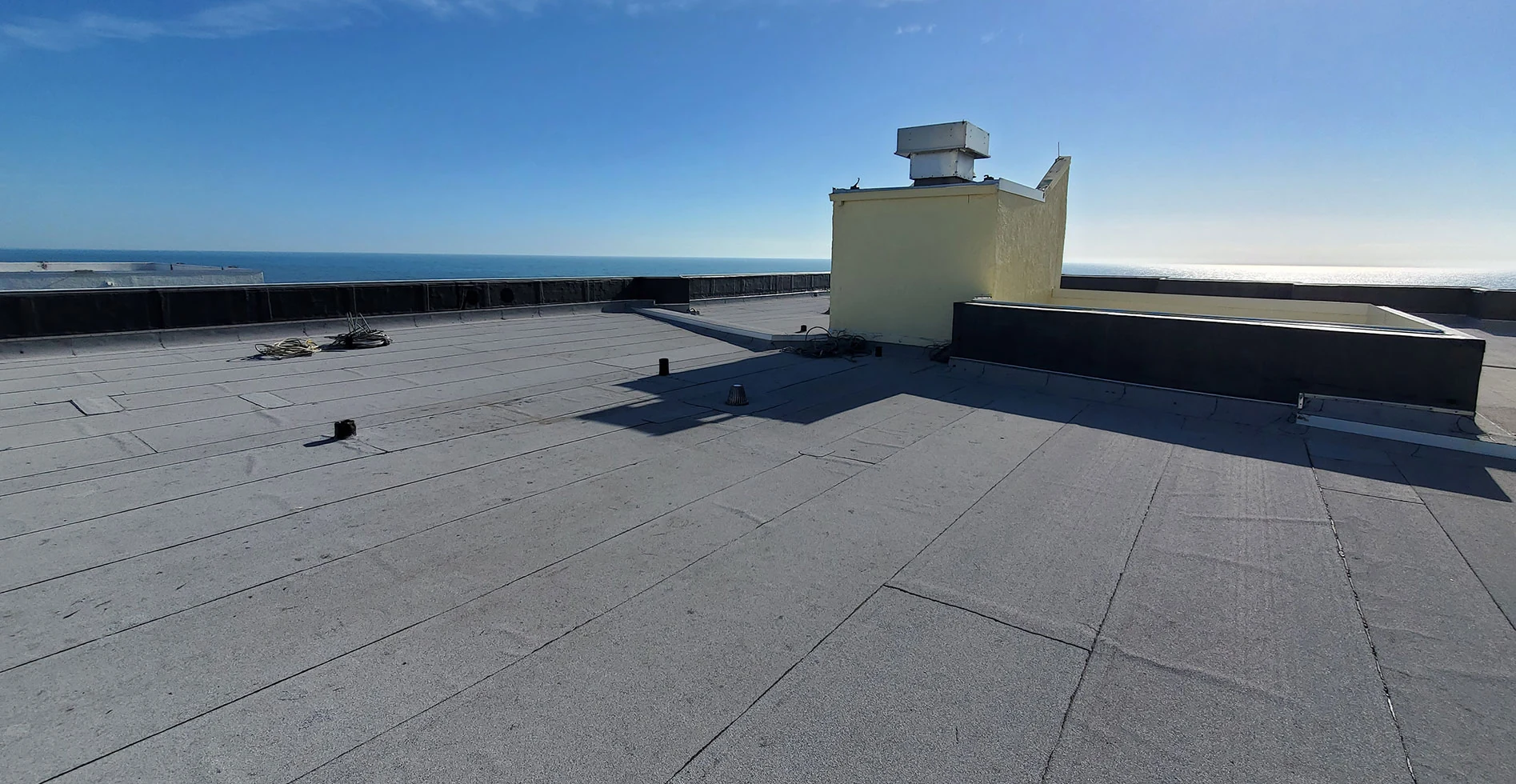
Modified bitumen shows up constantly on the older industrial buildings along the riverfront near Steelton and on downtown Harrisburg properties that were reroofed a generation ago with a multi-ply system rather than a single-ply membrane. It's a proven system in this climate, and for a lot of these buildings, replacing it with the same family of product rather than switching entirely is the practical call.
SBS Versus APP: Which Modified Bitumen Fits This Region
We specify SBS modified bitumen almost exclusively over APP in this market, because SBS's rubberized composition handles the freeze-thaw movement that central Pennsylvania roofs go through every winter better than APP's more plastic, heat-dependent formulation. APP has its place in warmer climates where flexibility at low temperature isn't as critical; it's rarely the right call for a roof that's going to see repeated freeze cycles every year for the next twenty years.
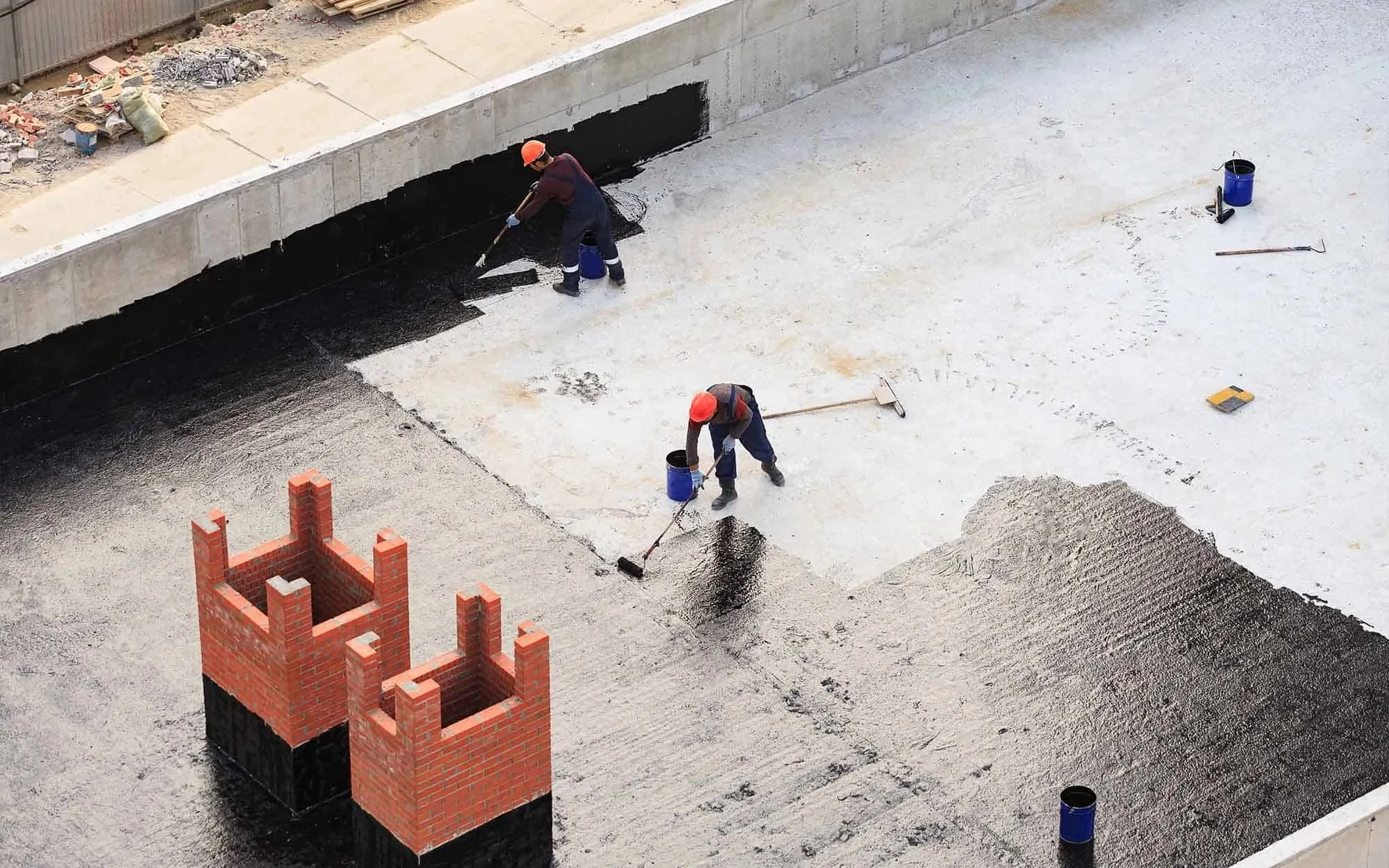
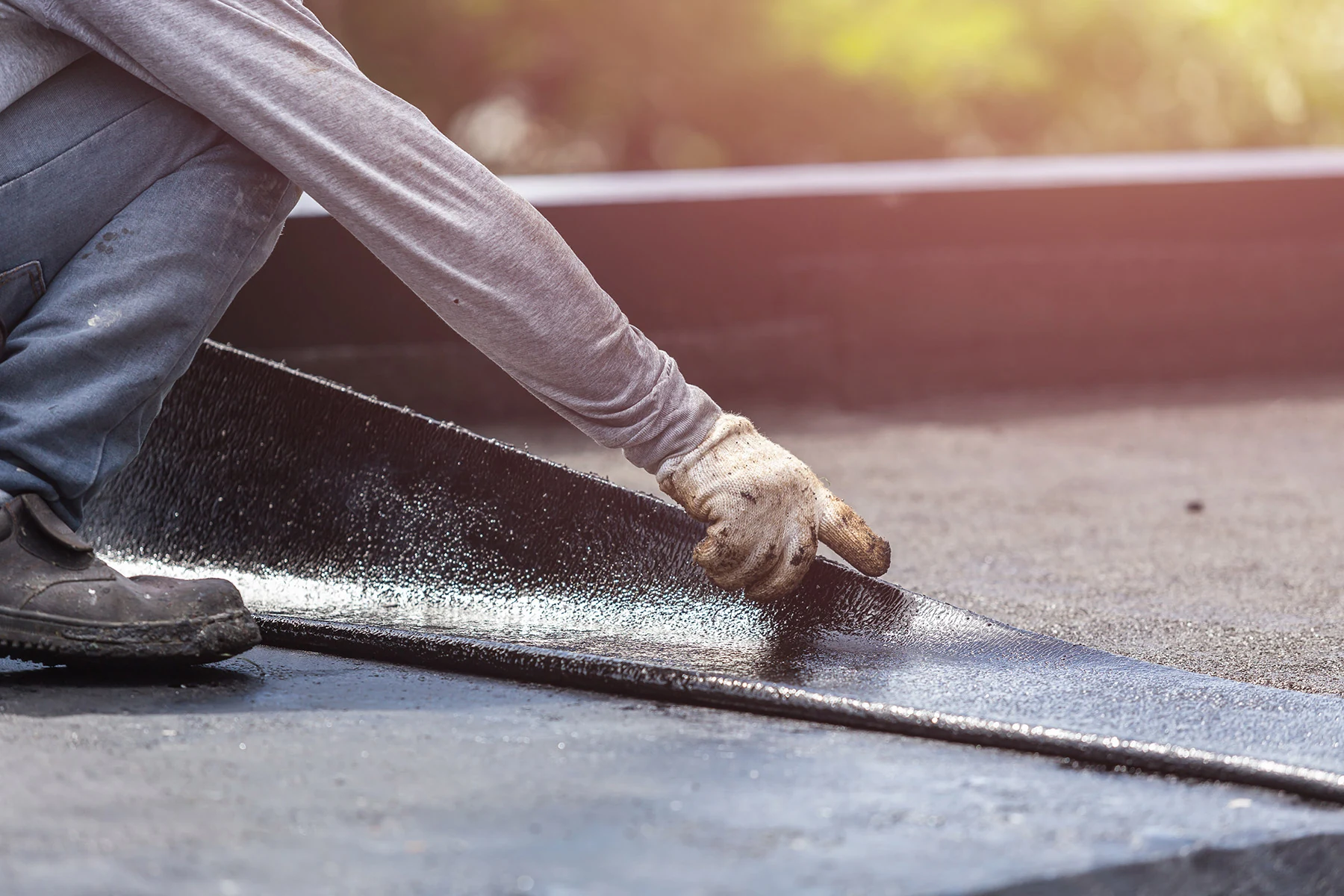
Application Method: Torch, Hot-Mop, or Cold Adhesive
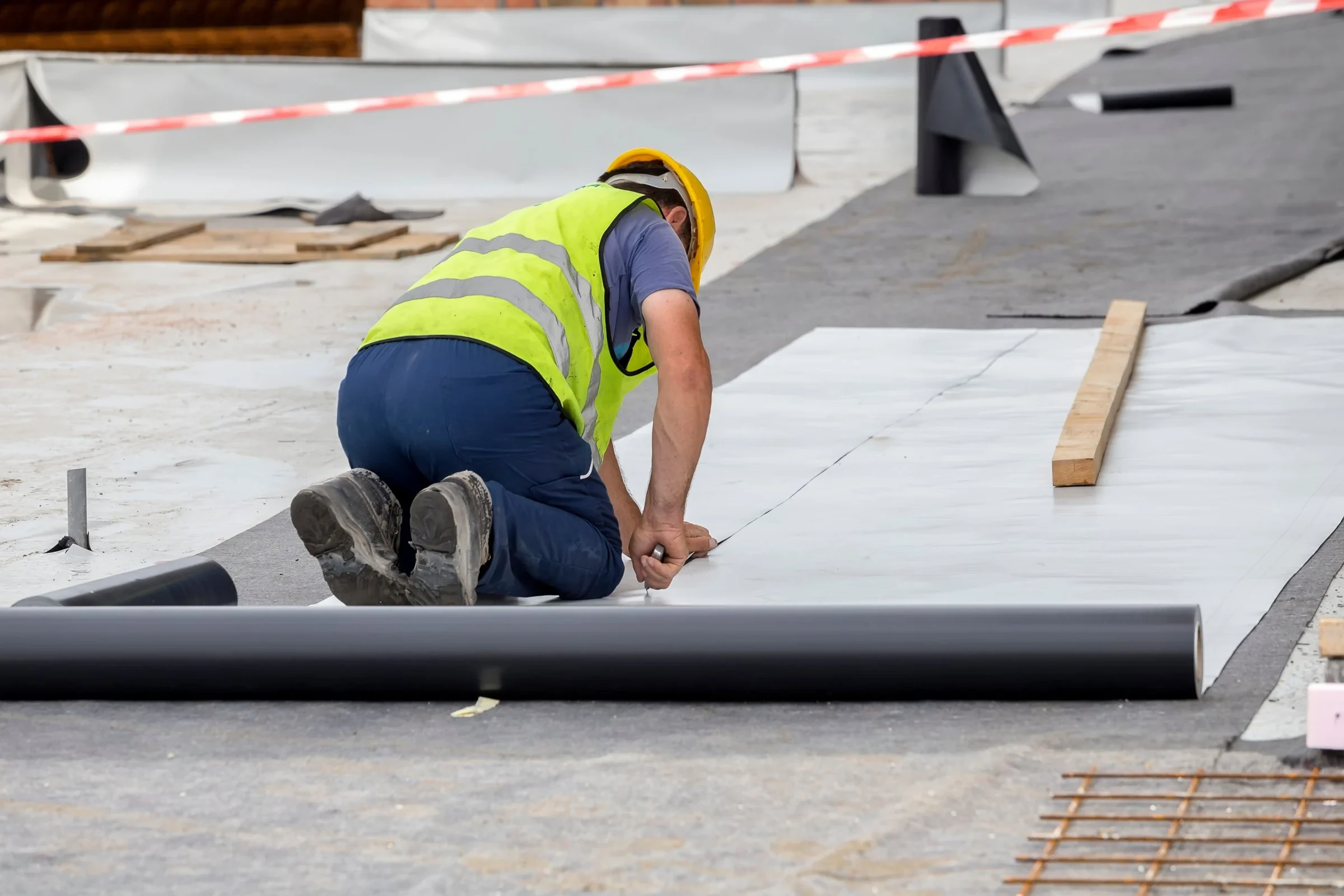
Torch-applied modified bitumen is common on new construction and full tear-off projects where fire watch protocols and clear staging are manageable, but we avoid torch application on occupied buildings with tight roof access or nearby combustible materials, a real consideration on some of the older, closely built structures near downtown Harrisburg and Steelton. Cold-adhesive and self-adhered modified bitumen systems eliminate the open-flame risk entirely, which makes them the default recommendation for occupied government buildings, schools, and any roof where a fire watch permit would slow the project down or where the building's insurer restricts torch work outright.
Granulated Cap Sheet and UV Protection
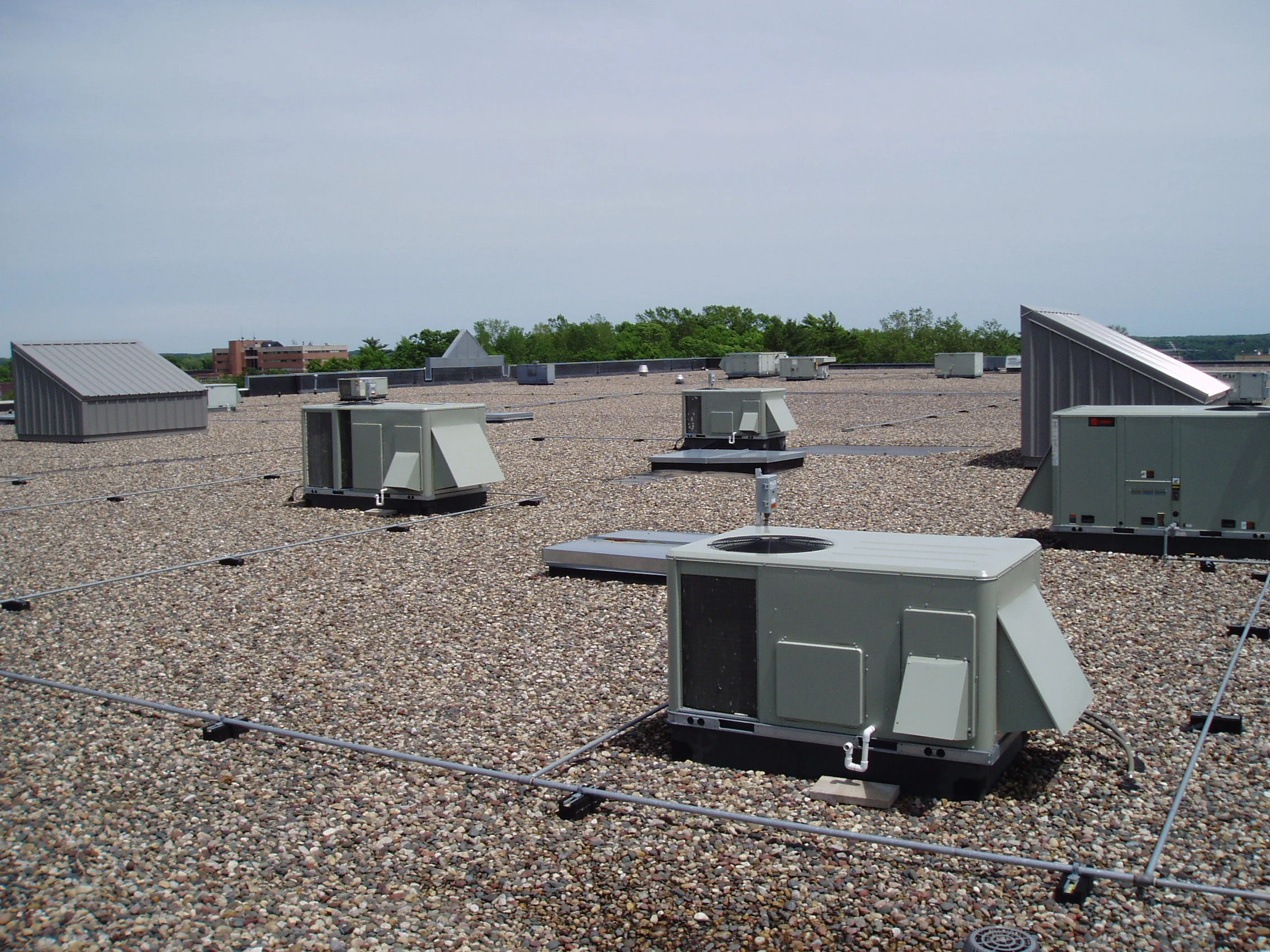
The cap sheet's mineral granule surface is what protects the underlying bitumen layers from UV degradation, and granule loss over time is the clearest visual sign that a modified bitumen roof is approaching the end of its service life. We check granule wear pattern during every inspection, because bare spots at high-traffic zones near rooftop equipment often fail years before the rest of the field, and targeted resurfacing there can add real service life without a full reroof.
- SBS modified bitumen specified over APP for this climate's freeze-thaw cycle
- Cold-adhesive and self-adhered systems for occupied and fire-restricted buildings
- Torch application where staging and fire watch protocols allow it
- Granulated cap sheet inspected for wear at every scheduled visit
- Multi-ply redundancy that suits older downtown and industrial building stock
- Flashing detail rebuilt to current code at every reroof, not reused as-is
Layered Redundancy on Older Building Stock
One advantage modified bitumen holds over single-ply membranes is redundancy: a base sheet plus one or two additional plies means a single puncture or seam gap doesn't automatically create a leak path straight to the deck the way it can on a single-ply system. That redundancy is part of why so many older commercial buildings in this region, particularly downtown properties and older schools, were built with multi-ply systems in the first place, and it's a real factor when an owner asks why we're recommending modified bitumen over a single-ply replacement on a building with a lot of rooftop penetrations.
Flashing and Detail Work Where Modified Bitumen Roofs Actually Fail
Field membrane on a well-installed modified bitumen roof rarely fails first. Flashing at parapets, curbs, and penetrations is where these roofs almost always show trouble first, because those details take the most thermal movement and UV exposure concentrated in a small area. Every reroof we do rebuilds flashing detail to current manufacturer specification rather than reusing old flashing under new field membrane, even when that old flashing looks intact from the ground.
Parapet coping on older downtown buildings near the Capitol complex is a recurring problem area, since decades of thermal cycling loosen coping joints and let water track behind the flashing rather than over it. We check coping fastening and joint sealant condition as a standard part of any modified bitumen inspection, because a coping failure can undermine a brand-new membrane installation just as easily as an old one. Maintenance focus on a modified bitumen roof also differs from a single-ply roof: granule wear and flashing condition are the priority checks here, rather than the seam and membrane puncture checks that dominate a single-ply maintenance visit.
Modified Bitumen Questions
Is torch-applied roofing safe on an occupied building?
It can be, with a proper fire watch protocol and clear staging, but we default to cold-adhesive or self-adhered systems on occupied buildings whenever the project allows it, since that removes the open-flame risk entirely rather than managing it.
How long does SBS modified bitumen typically last in this climate?
Service life depends on ply count, cap sheet quality, and maintenance, but a properly installed and maintained SBS system regularly reaches or exceeds its rated design life in central Pennsylvania's climate.
Can you patch a modified bitumen roof instead of replacing the whole field?
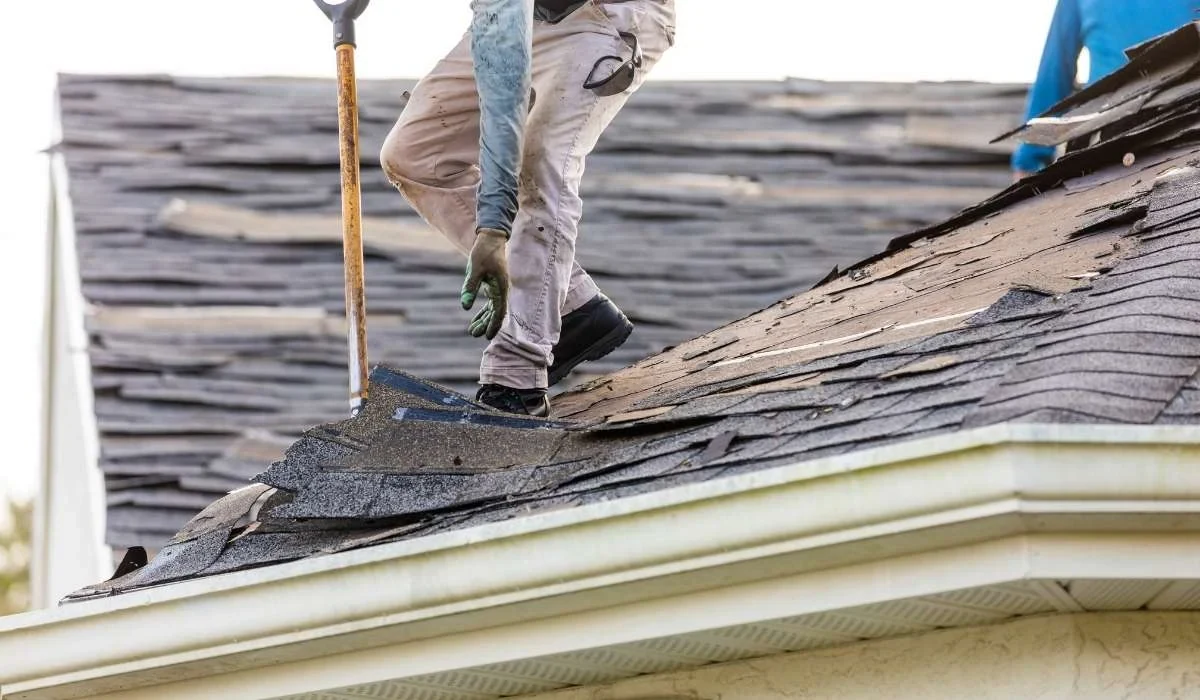
Often yes, particularly for isolated flashing failures or localized granule loss, provided the underlying plies are dry and sound. Widespread granule loss or multiple seam failures across the field usually points toward a full recover or reroof instead.
What's the difference between hot-mop and cold-adhesive application?
Hot-mop uses heated asphalt to bond the plies, requiring a kettle and open-flame heating on site. Cold-adhesive systems bond with a liquid or self-adhered backing at ambient temperature, which is why they're the preferred method on fire-restricted and occupied buildings.
Can a silicone coating extend the life of an aging modified bitumen roof?
Often yes, provided the underlying plies are sound and dry. A coating over granulated cap sheet restores UV protection and can add years of service without a full tear-off, which we cover in more detail on our silicone roof coatings page.