
Commercial Roofing Services
Commercial Roofing
Harrisburg, PA
Harrisburg, PA
TPO Single-Ply Roofing in Harrisburg, PA
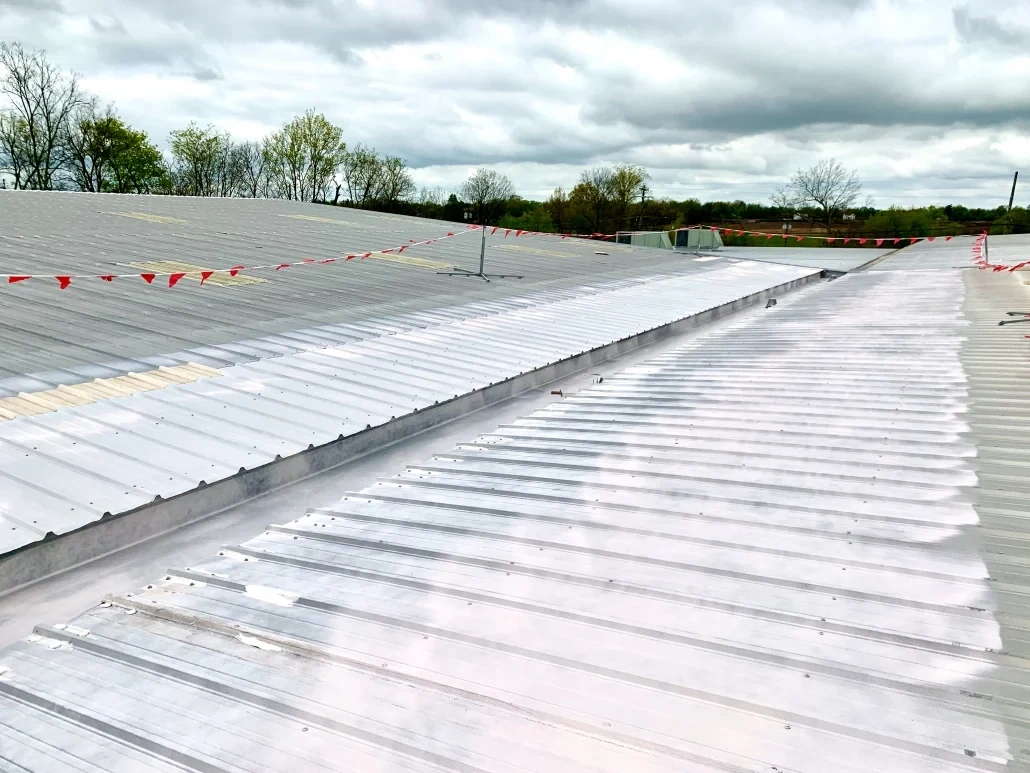
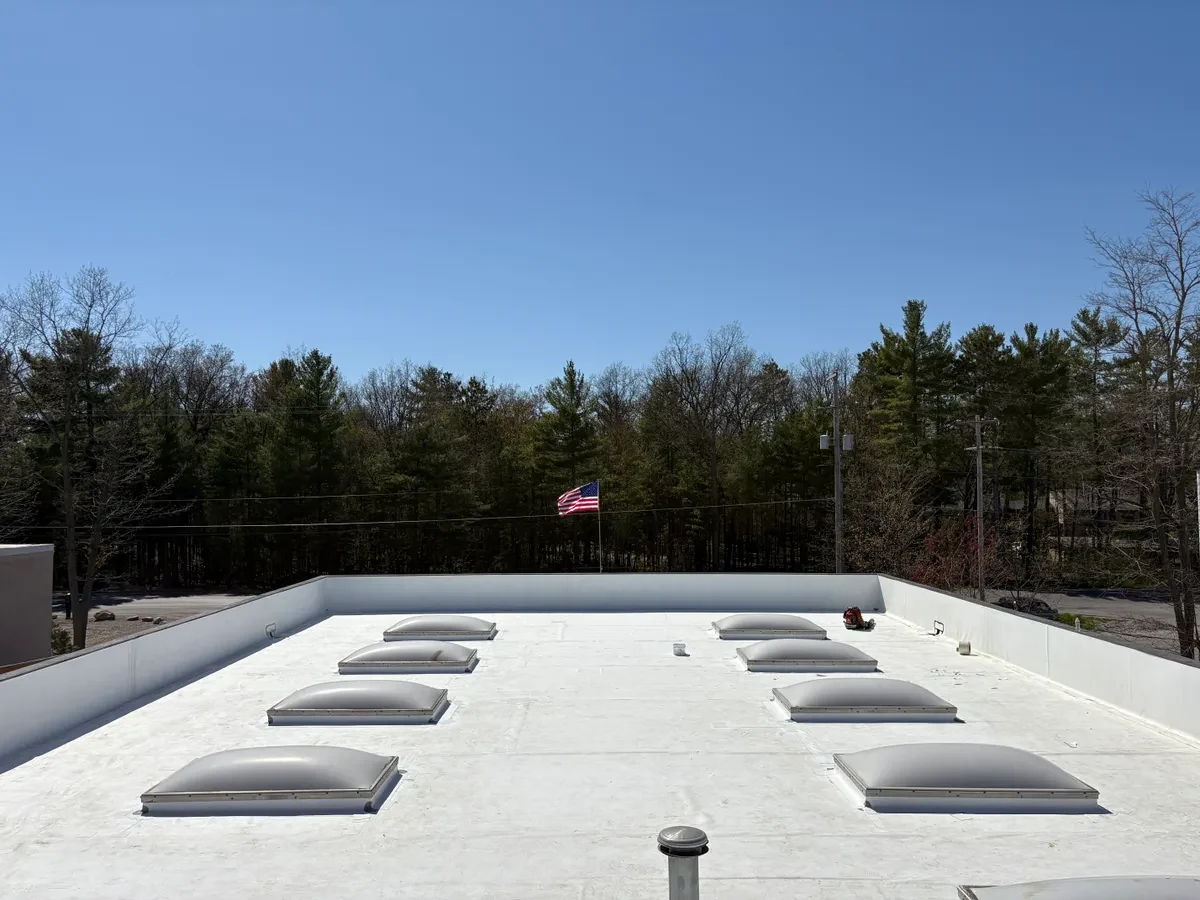

TPO on the Warehouse Roofs Between Carlisle and the River
TPO is the membrane we specify most often on the large distribution roofs strung out along the I-81 corridor, and the reasons come down to seam performance and reflectivity rather than trend. It heat-welds instead of relying on adhesive alone, it ships white, and its material cost sits below PVC for buildings that don't need the chemical resistance PVC offers.
Mil Thickness and Wide-Span Structural Reality
We quote TPO in 45-mil, 60-mil, and 80-mil, and the choice isn't cosmetic. Carlisle's mega-distribution buildings and the fulfillment centers around Silver Spring Township are built with wide roof spans and heavy mechanical traffic from HVAC service and racking equipment staged during tenant buildouts. On those roofs we generally specify 60-mil as the practical floor and push to 80-mil where foot traffic near rooftop units is frequent, because the extra mil thickness buys real puncture resistance over a fifteen-year hold rather than a marginal upgrade.
Government and school buildings tend to see less rooftop mechanical traffic, so 45-mil or 60-mil often satisfies both the budget and the manufacturer's warranty minimums for those lower-traffic roofs. We match mil thickness to actual use, not to a single default spec applied across every building type.
Attachment Method: Fully Adhered, Mechanically Attached, or Ballasted
Most of the warehouse work we do around New Cumberland and the Defense Distribution Center corridor uses mechanically attached TPO, which handles the wind uplift loads these large open roofs generate without adding dead load to the deck. Fully adhered systems come into play on buildings with irregular penetrations or where wind uplift calculations push toward a higher-performing attachment. Ballasted TPO is rare in this market because of the added structural weight, and we only recommend it where the deck was originally engineered for that load, typically on older converted industrial buildings.
Wind Uplift and Fire Rating Documentation
Every TPO scope we write includes the wind uplift class and FM or UL fire rating that applies to the building's use group and height, because procurement reviewers on state and school projects ask for this documentation as a matter of course. We pull the assembly's rating from the manufacturer's approved listings rather than estimating it, so the number on the proposal matches what the manufacturer will actually stand behind at warranty registration.
Heat-Weld Quality Control
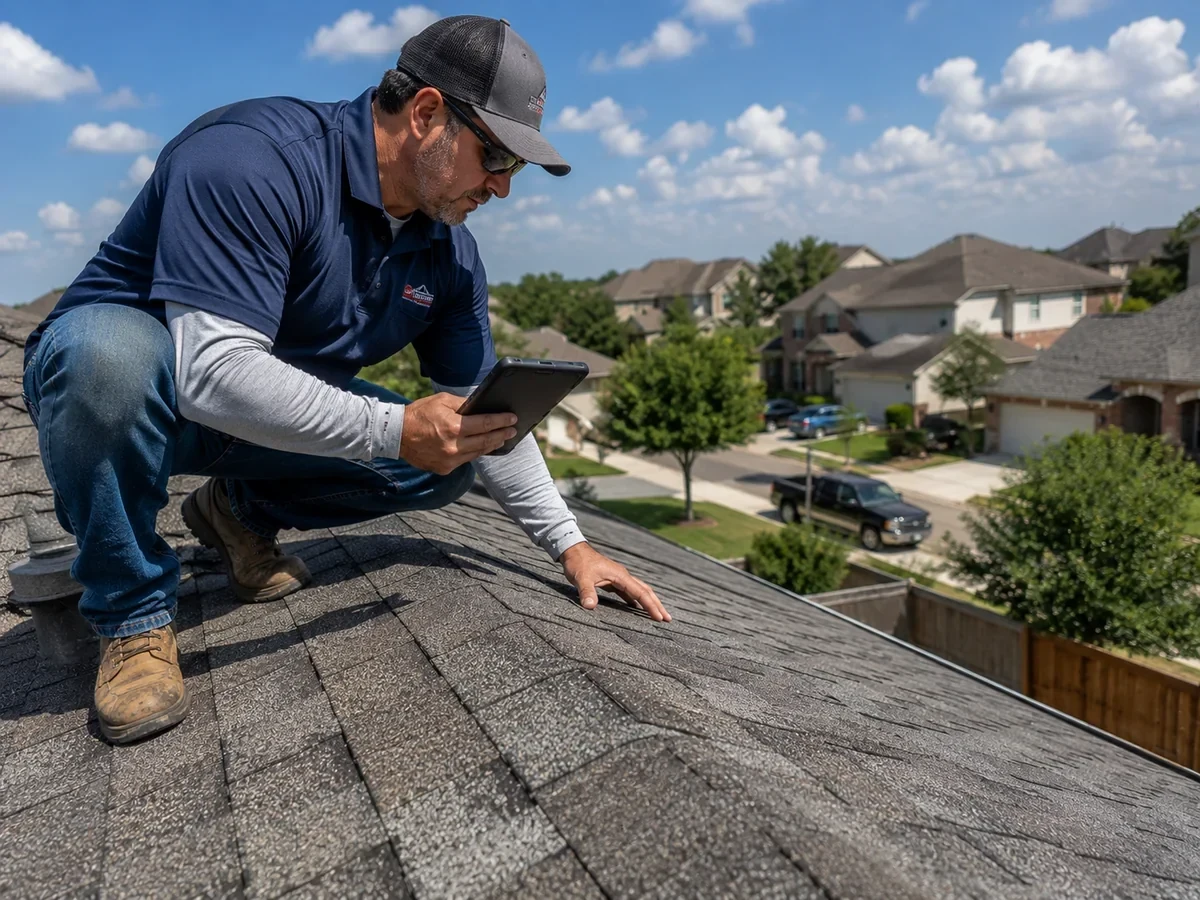
TPO's seam strength depends entirely on weld quality, and weld quality depends on temperature, overlap, and probe testing at regular intervals across the field. We probe-test every seam on a project, not a sample, and document any cold weld or scorched seam before it gets covered by flashing or walked on. A weak seam that passes visual inspection but fails a probe test is the single most common cause of a TPO roof leaking within its first few years.
Welder settings also change with ambient temperature and membrane thickness, so a crew running 80-mil in October needs different dwell time and roller pressure than the same crew running 45-mil in July. We log welder settings by section on larger roofs so any callback investigation can trace a problem seam back to the conditions it was welded under, rather than guessing after the fact.
- 45-mil, 60-mil, and 80-mil options matched to rooftop traffic and use
- Mechanically attached, fully adhered, or ballasted attachment by wind uplift class
- Probe-tested heat welds documented across the full field, not a sample
- Reflective white membrane for buildings running heavy cooling loads
- FM and UL fire rating documentation for procurement submittals
- Manufacturer-certified installation for full No Dollar Limit warranty eligibility
Cold-Weather Installation Windows
TPO heat-welding has manufacturer temperature restrictions, and central Pennsylvania's winter cuts a real hole in the installation calendar. We plan large distribution roof projects around fall and spring windows where possible, and where a winter install is unavoidable we follow manufacturer cold-weather welding procedures exactly, including adjusted weld speed and more frequent probe testing, rather than pushing through standard procedure in marginal temperatures.
Distribution centers that can't take a full weather delay, particularly buildings supporting 24-hour fulfillment operations near the Carlisle interchange, sometimes need us to sequence a large roof into smaller weather-window segments across several months instead of one continuous mobilization. That approach costs more in remobilization than a single continuous run would, and we say so up front rather than letting a schedule slip quietly discover the extra cost later.
Questions We Get About TPO
Why does TPO cost less than PVC if both are single-ply membranes?
PVC carries chemical-resistance properties that most warehouse and office roofs don't need, and that raw material cost shows up in the price. TPO performs just as well on standard distribution and institutional roofs without that premium.
How do you verify weld quality after installation?
We probe-test seams with a blunt tool across the entire roof field, checking for full fusion at every lap. Any seam that doesn't pass gets reworked before flashing detail work covers it.
Can TPO go over an existing EPDM roof?
Sometimes, if the existing insulation is dry and the deck can support it, but this needs a moisture survey first and usually a cover board between the old and new systems. We don't recommend it without that survey.
What wind uplift rating do Harrisburg-area warehouses typically need?
It depends on building height, geometry, and location within the corridor. We pull the specific requirement from the manufacturer's approved assembly listing rather than applying a blanket number across every project.
Does TPO help with cooling costs in a large warehouse?
The reflective white surface reduces rooftop heat gain compared to a dark membrane, which can lower the load on rooftop HVAC units, particularly relevant for cold storage and climate-controlled distribution buildings in this corridor.