
Roof Systems
Commercial Roofing
Harrisburg, PA
Harrisburg, PA
White EPDM Roofing in Harrisburg, PA
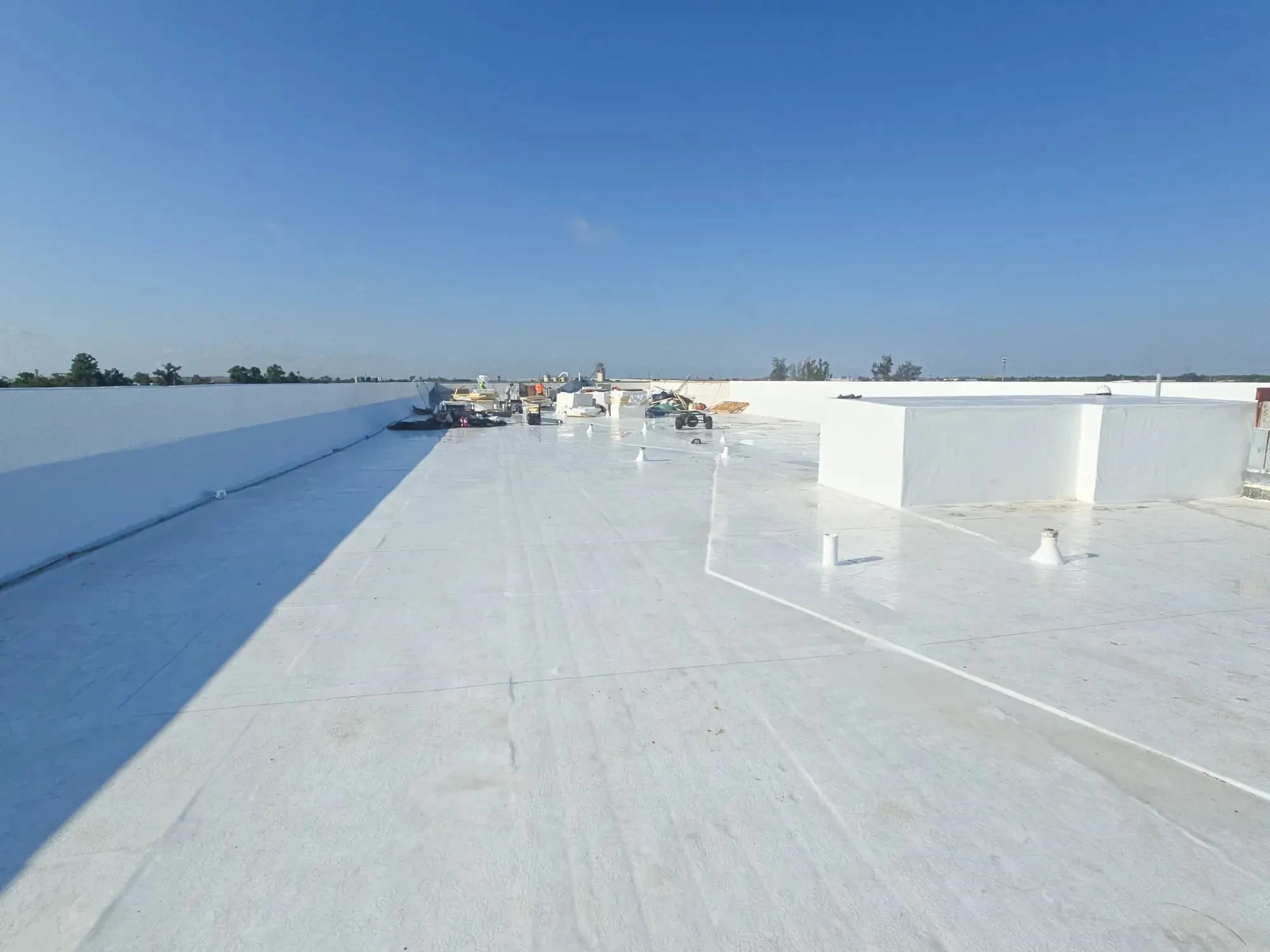
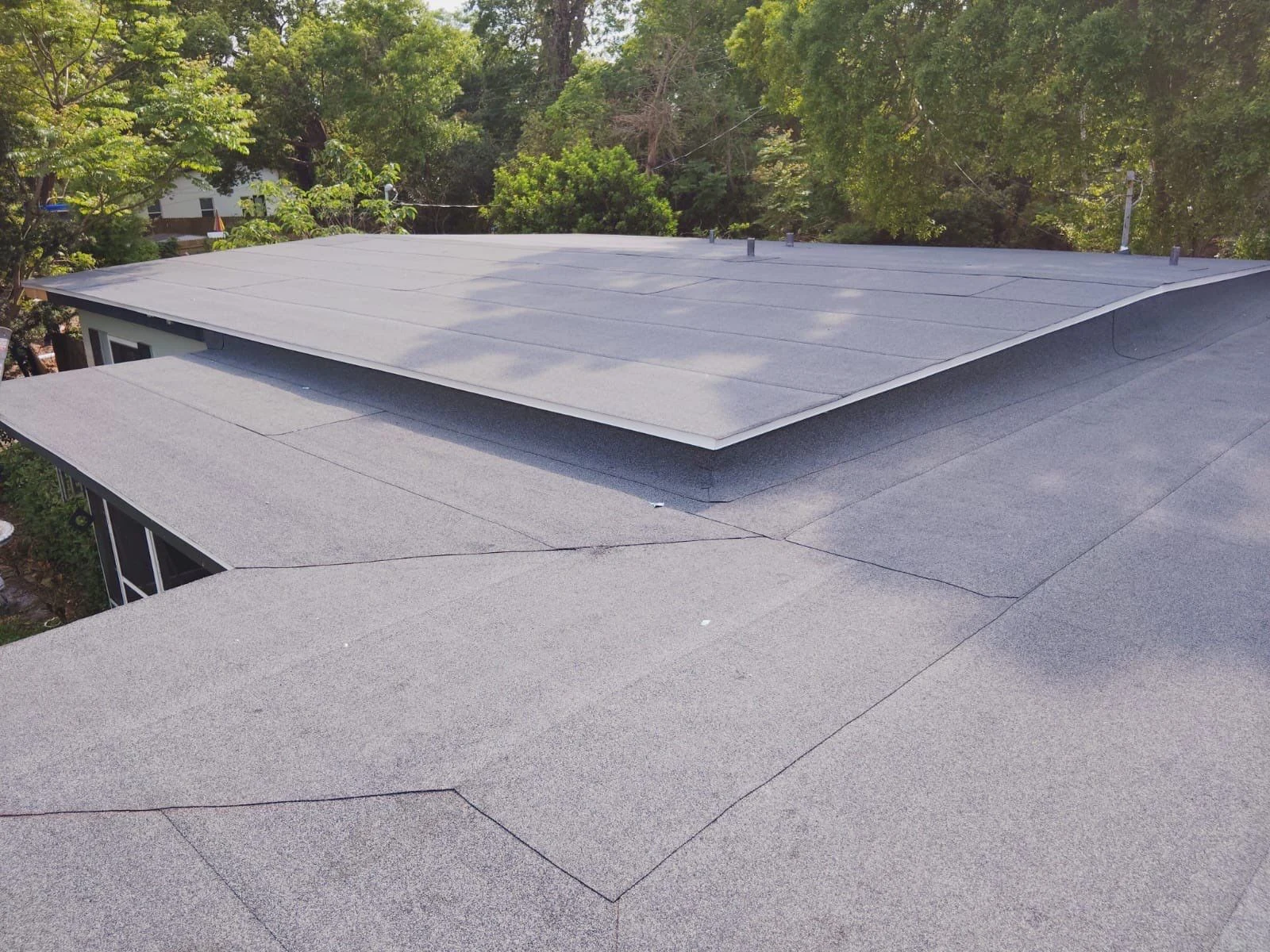
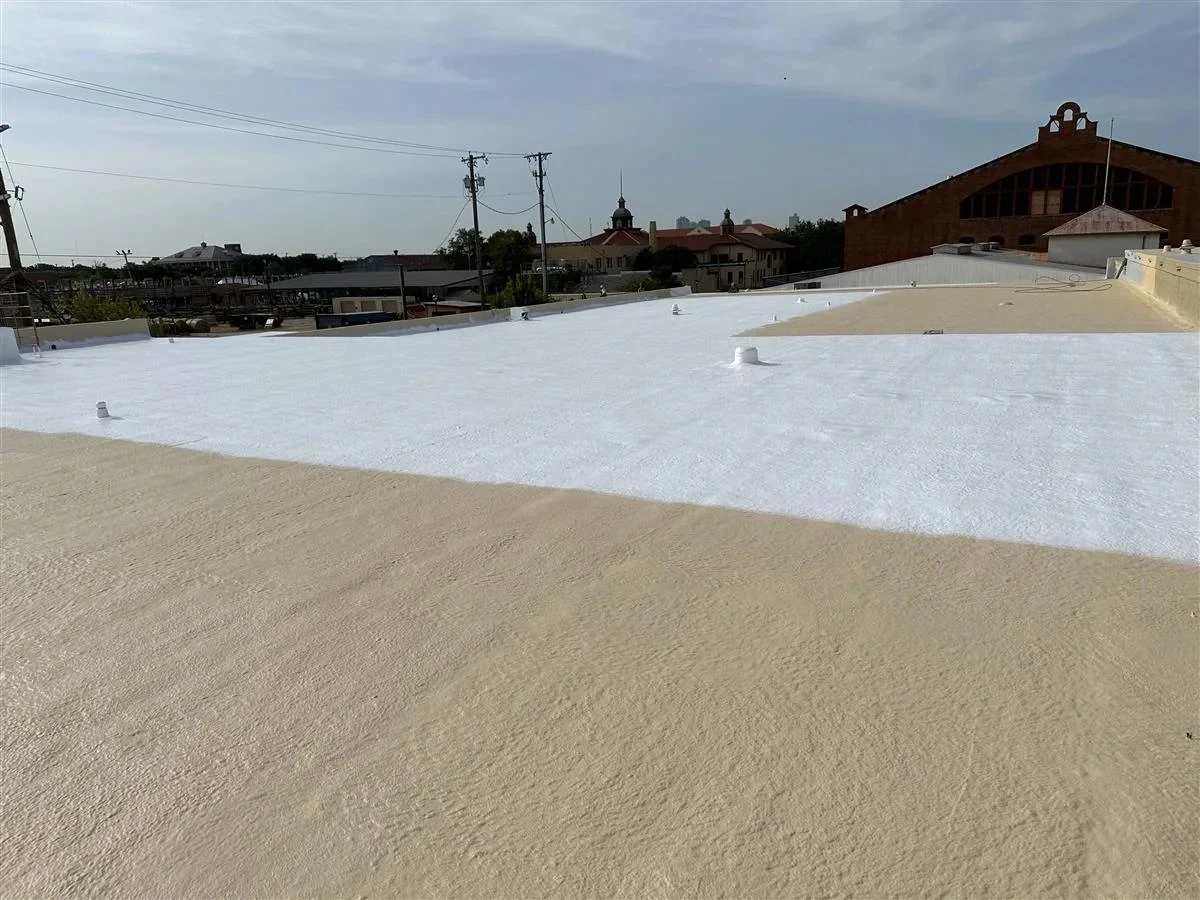
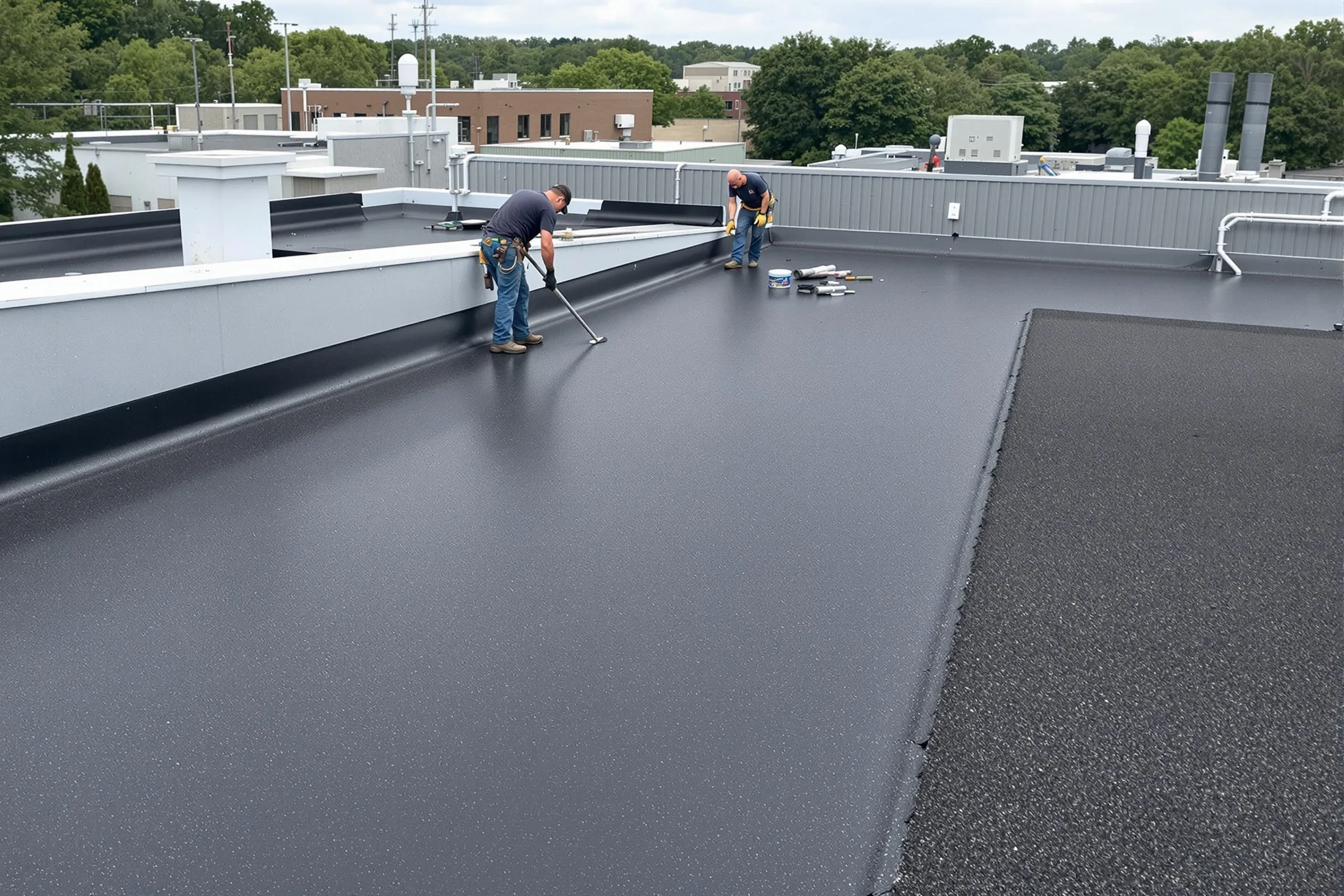
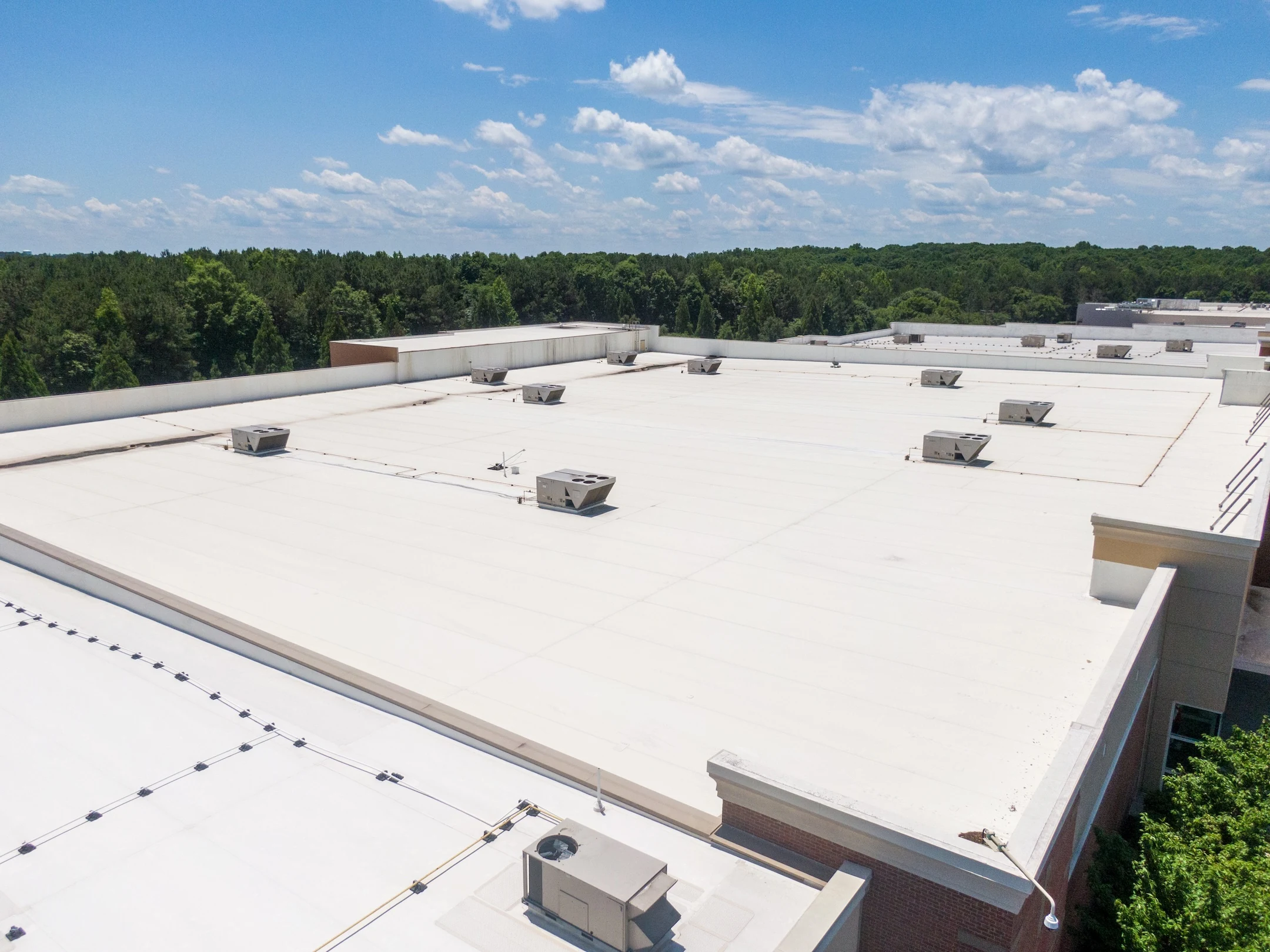
White EPDM for Reflective, Code-Compliant Low-Slope Roofs
White EPDM keeps the cold-weather flexibility of standard rubber membrane while adding the solar reflectivity that many energy codes and utility rebate programs now require or reward. It's a spec we bring up whenever a building owner is weighing cool-roof requirements against the field-proven track record of rubber membrane.
White EPDM and Cool-Roof Code Compliance
The IECC's cool-roof provisions set minimum reflectance and emittance thresholds for certain building types and climate zones, and Pennsylvania's energy code adoption pulls those requirements into play on qualifying commercial re-roof and new-construction projects. White EPDM's factory-applied reflective surface meets those thresholds without giving up the low-temperature flexibility that makes EPDM a durable choice through a Central Pennsylvania winter.
On projects seeking utility rebates or documentation for an ENERGY STAR or similar reflectance-based program, we provide the manufacturer's reflectance and emittance data sheets as part of the closeout package, which is typically what the rebate administrator requires to process the paperwork.
Government-owned and leased buildings in the Capitol complex are a common source of this requirement, since public-sector procurement guidelines increasingly reference cool-roof or reflectance thresholds directly in the project scope rather than leaving membrane color as a purely aesthetic decision left to the contractor.
Reflectivity vs. Rubber Flexibility Trade-offs
White TPO is more reflective out of the gate than white EPDM in most product comparisons, but EPDM's rubber composition holds up to thermal cycling and low-temperature flexing differently than a thermoplastic sheet. On a building where the roof deck sees wide daily temperature swings, or where the owner has had good long-term experience with EPDM elsewhere in their portfolio, white EPDM is a reasonable way to get reflectance without switching membrane families entirely.
We walk owners through both options during the estimate rather than defaulting to one, since the right call depends on the building's occupancy, existing membrane history, and how much weight the owner puts on reflectance versus long-term seam performance.
Neither product is automatically the right answer, and we've seen owners on both sides of that decision be satisfied with the outcome years later, provided the attachment method and drainage design were handled correctly regardless of which membrane family got specified.
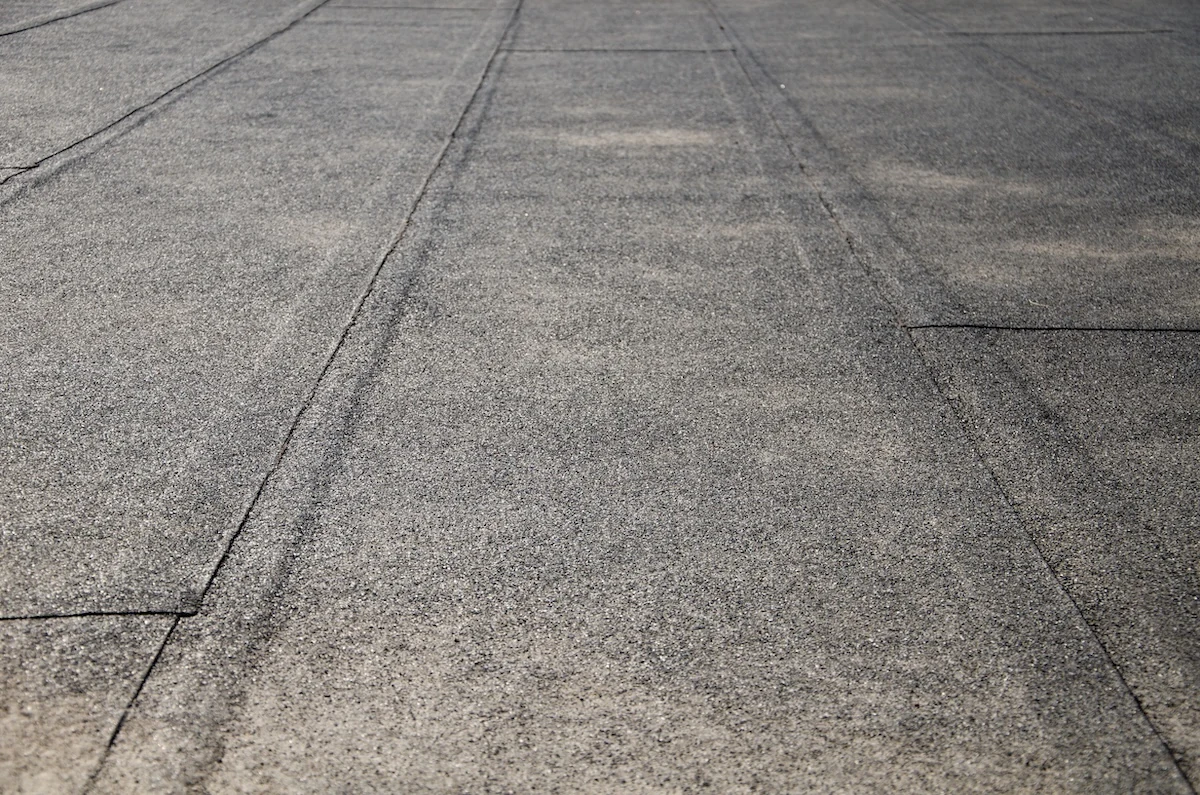
On a portfolio where some buildings already carry black EPDM and the owner is standardizing toward reflective roofing across the group, white EPDM lets that transition happen without abandoning the membrane family the maintenance staff is already familiar with, which is a real practical consideration on top of the code and energy discussion.
Ballast and Fastening Considerations for Wide-Open Roof Fields
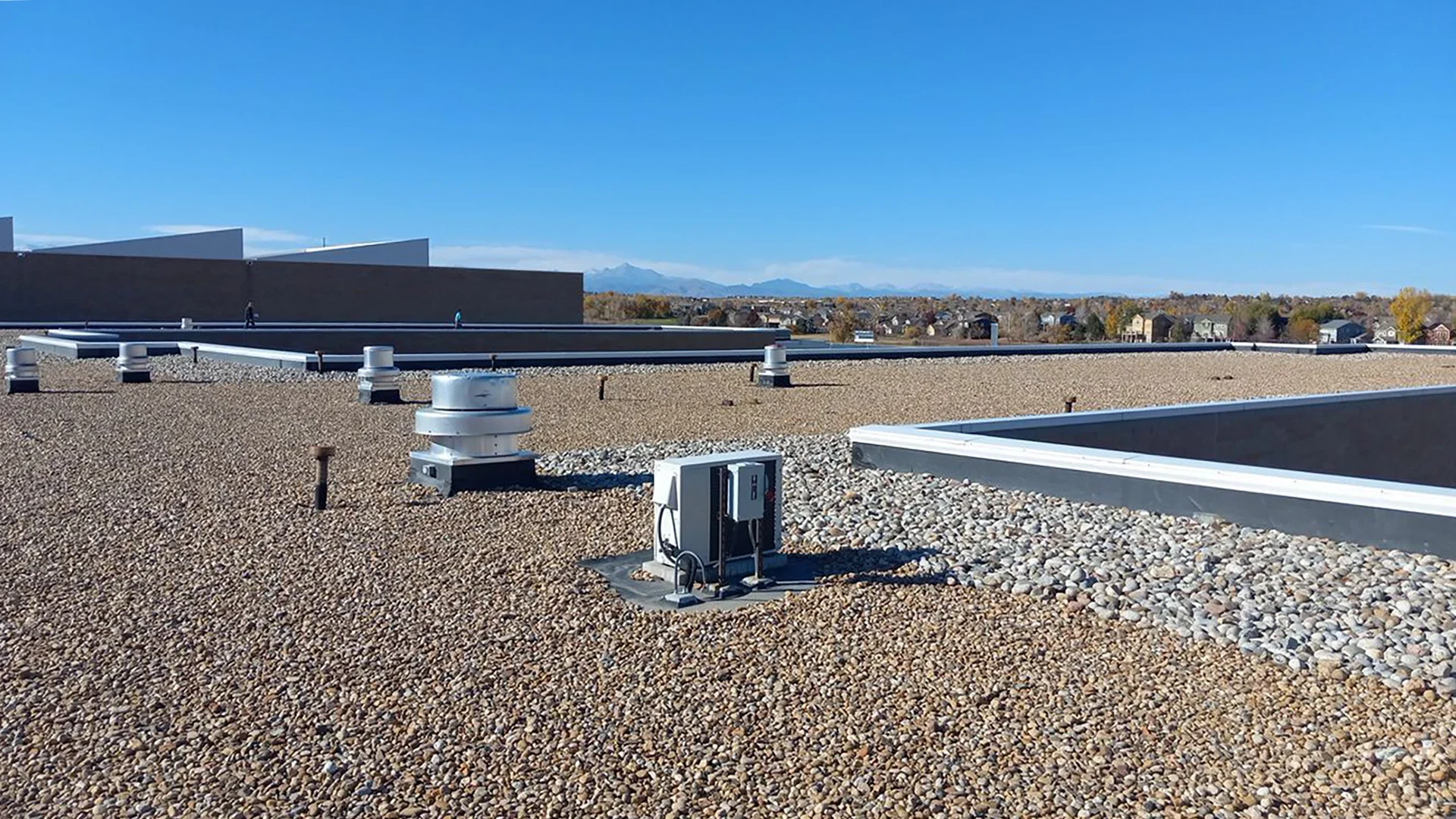
White EPDM is available in the same attachment methods as black EPDM, and on a wide-open roof field the attachment decision matters as much as the membrane color. Ballasted systems need structural verification for the added dead load; mechanically attached and fully adhered systems don't, but each carries different fastening and seam requirements. On every white EPDM scope we confirm:
- Structural capacity for ballast weight, if that attachment method is being considered
- Wind-uplift zone mapping per ASCE 7 for the specific building footprint
- Insulation R-value and cover-board selection under the membrane
- Drainage slope adequate to prevent ponding, independent of membrane color
- Perimeter and corner fastening density matched to the engineered uplift rating
Membrane color doesn't change any of these structural and drainage fundamentals, which is why we treat them as a separate conversation from the reflectance decision.
Maintaining Reflectance Over the Service Life
Reflective membrane surfaces accumulate dirt and biological growth over time, which reduces the reflectance value the roof started with. A preventive maintenance program that includes periodic surface cleaning keeps a white EPDM roof closer to its rated reflectance for longer, which matters if the building is tracking energy performance for code compliance or a rebate program that requires ongoing documentation.
We note reflectance maintenance as a line item in the maintenance plans we set up for owners who chose white membrane specifically for its energy performance, rather than treating it as identical upkeep to a black membrane roof.
On a roof large enough that cleaning the entire field isn't cost-effective on a regular basis, we sometimes propose spot cleaning around drains and low-slope areas where dirt and organic debris tend to concentrate first, which addresses the areas most likely to affect both reflectance and drainage performance together.
What Property Managers Ask About White EPDM
Does white EPDM cost more than black EPDM?
Yes, typically, due to the reflective surface treatment. The premium is usually offset over time by reduced summer cooling load, though the payback period depends on the building's HVAC system and regional utility rates.
Will white EPDM show dirt more than TPO?
Rubber and thermoplastic membranes both accumulate surface dirt over time. Periodic cleaning as part of a maintenance plan keeps either membrane closer to its original reflectance.
Is white EPDM required by code on every commercial roof in Harrisburg?
Not on every building. Cool-roof requirements depend on building type, occupancy, and the specific code edition adopted by the jurisdiction. We confirm applicability during the project's design phase.
Can an existing black EPDM roof be recoated white instead of replaced?
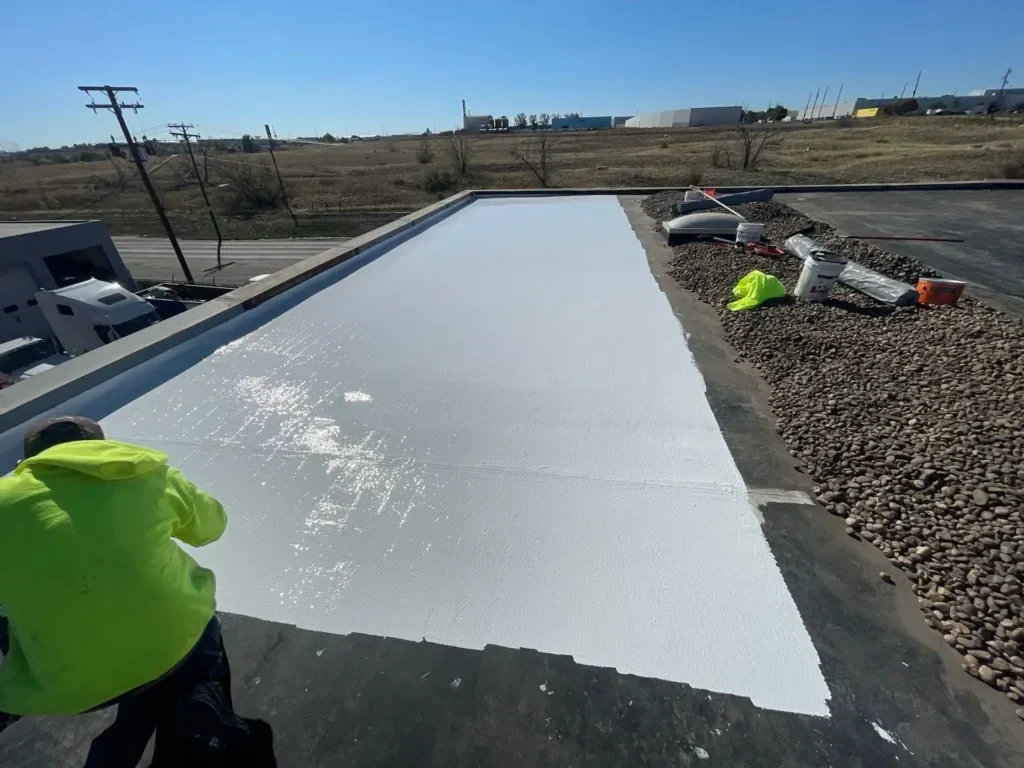
In some cases a reflective coating can be applied over sound existing EPDM, which is a separate scope from installing new white EPDM membrane. We evaluate the existing roof's condition before recommending either path.
Does white EPDM perform differently in snow load conditions than black?
Snow load capacity is a structural and insulation question, not a membrane-color question. White and black EPDM carry the same structural implications for snow retention on a flat roof.