
Roof Systems
Commercial Roofing
Harrisburg, PA
Harrisburg, PA
SBS Modified Bitumen Roofing in Harrisburg, PA
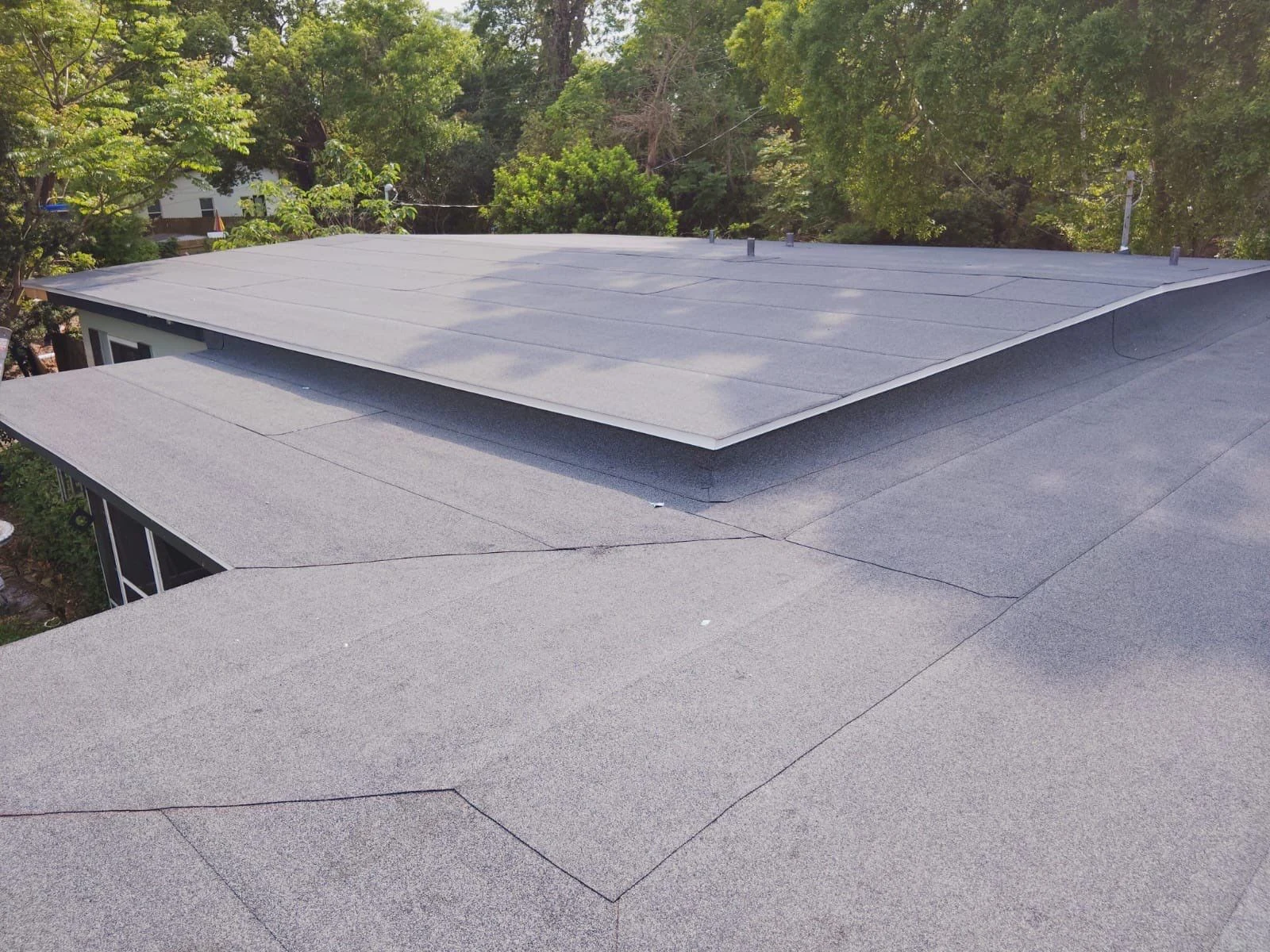
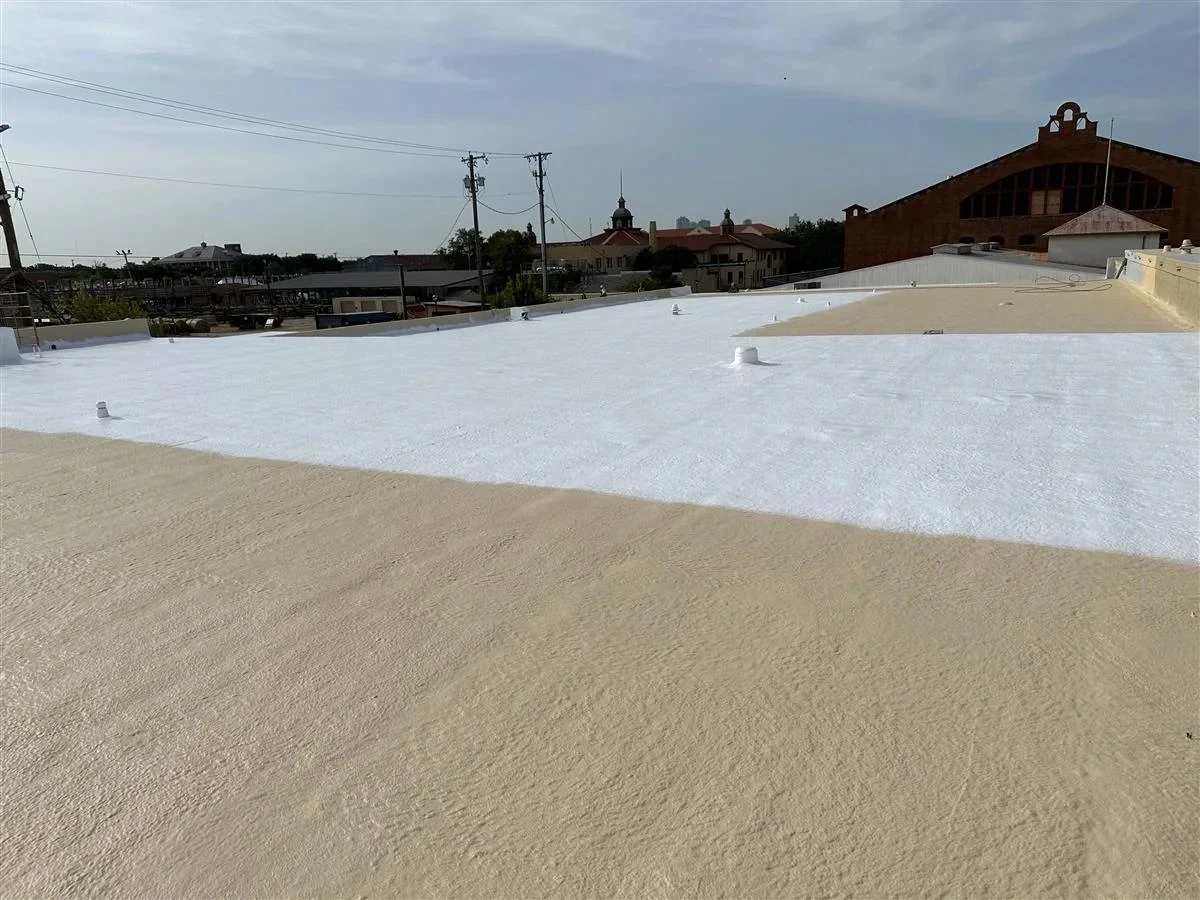
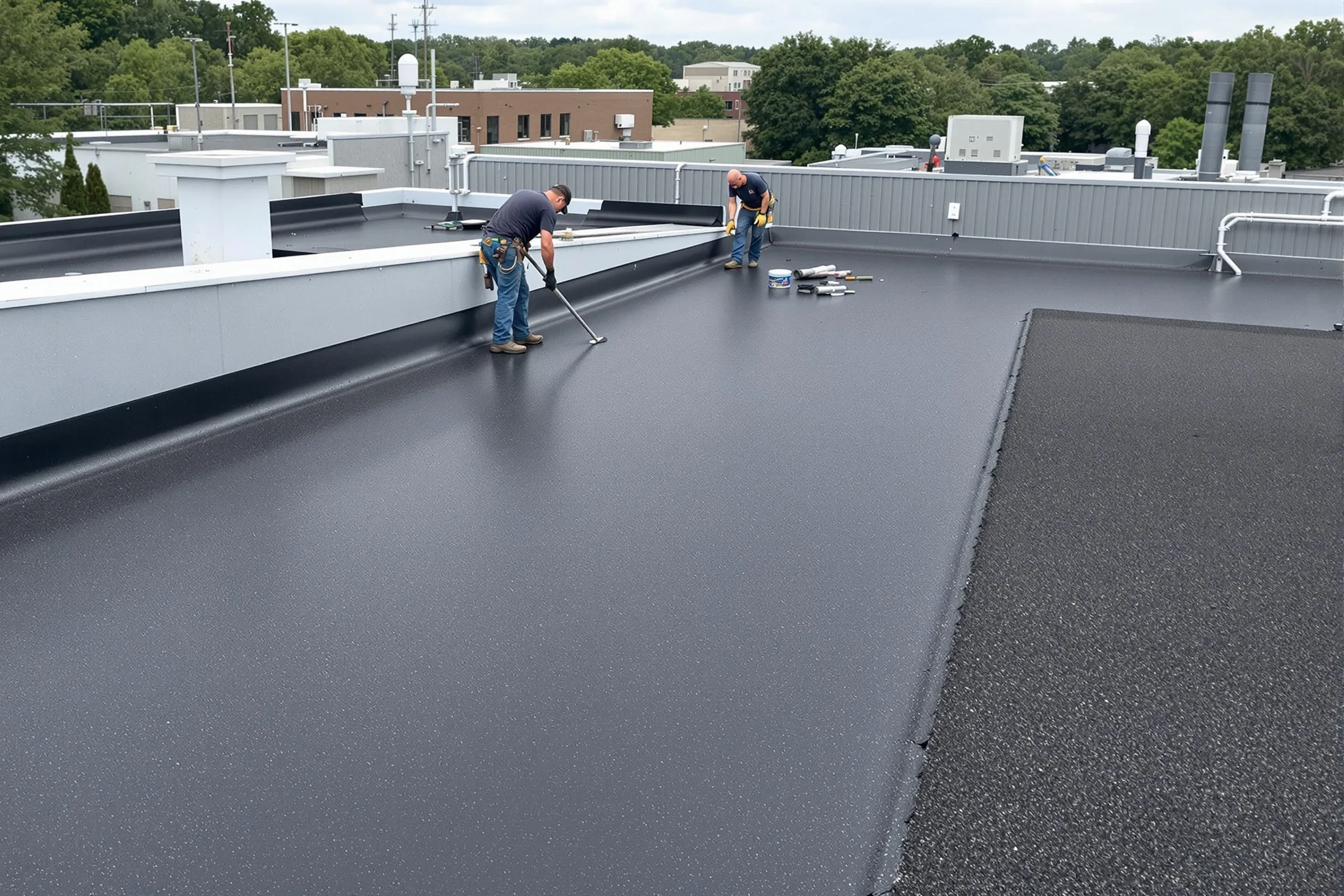
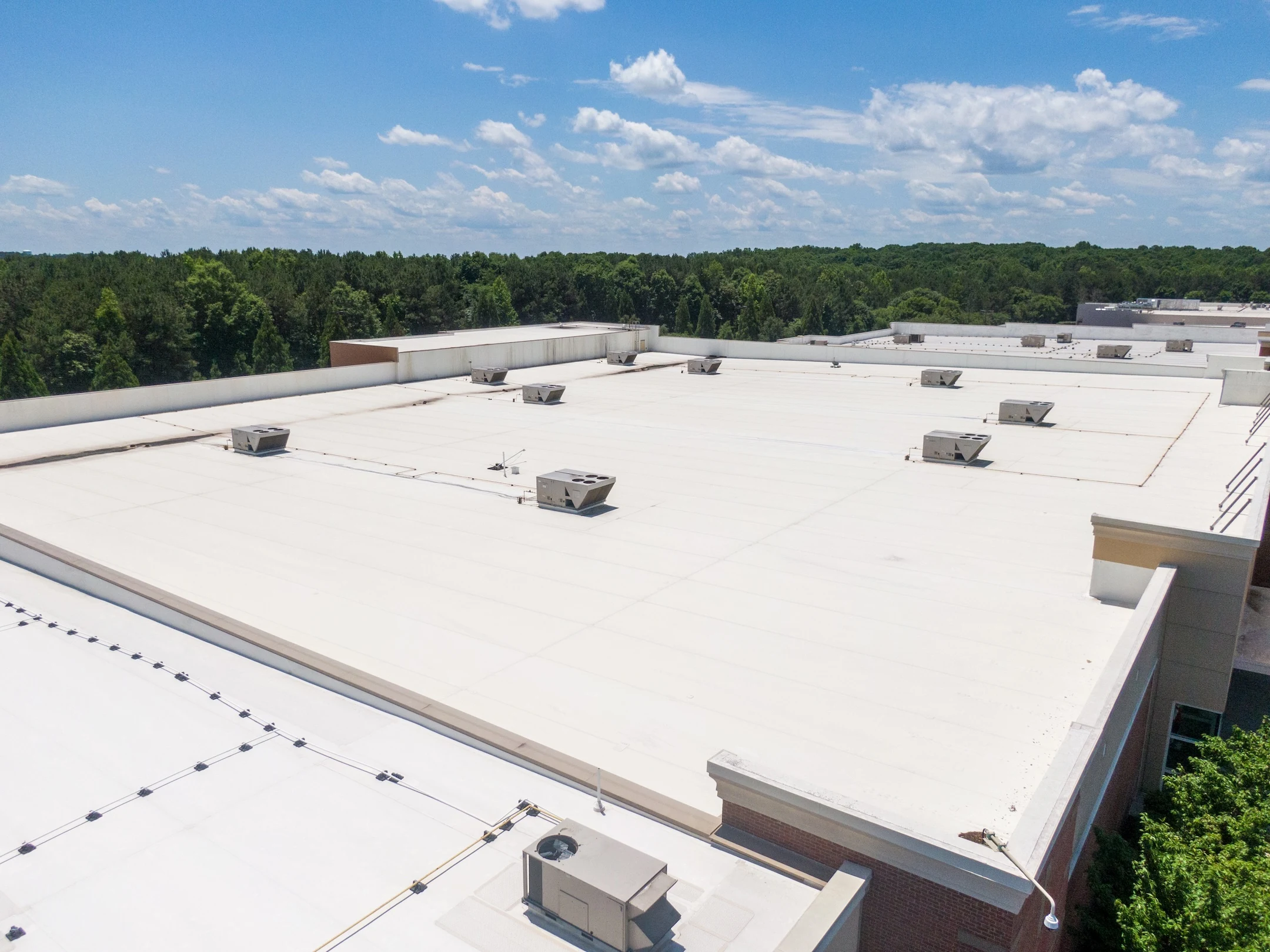
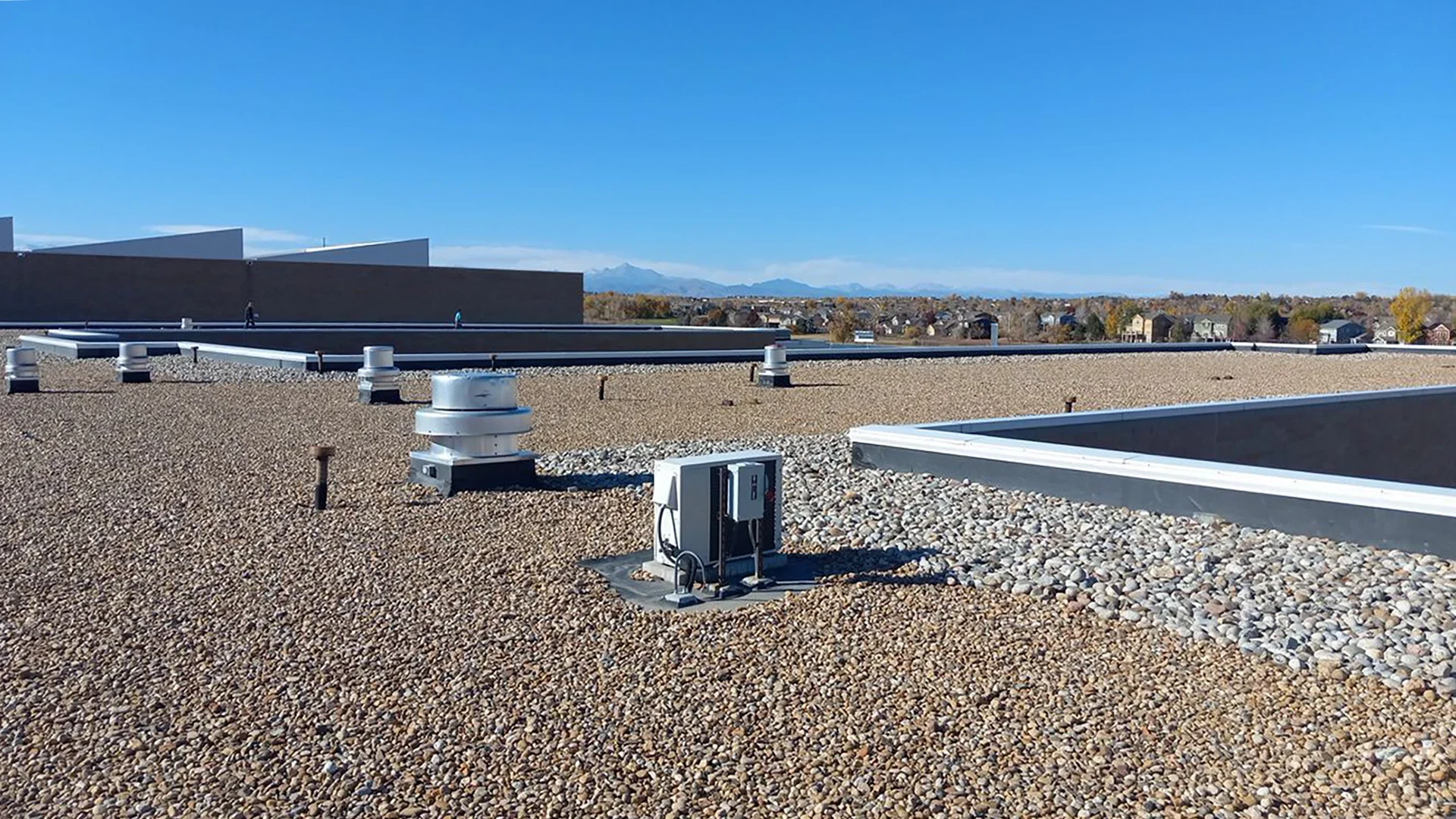
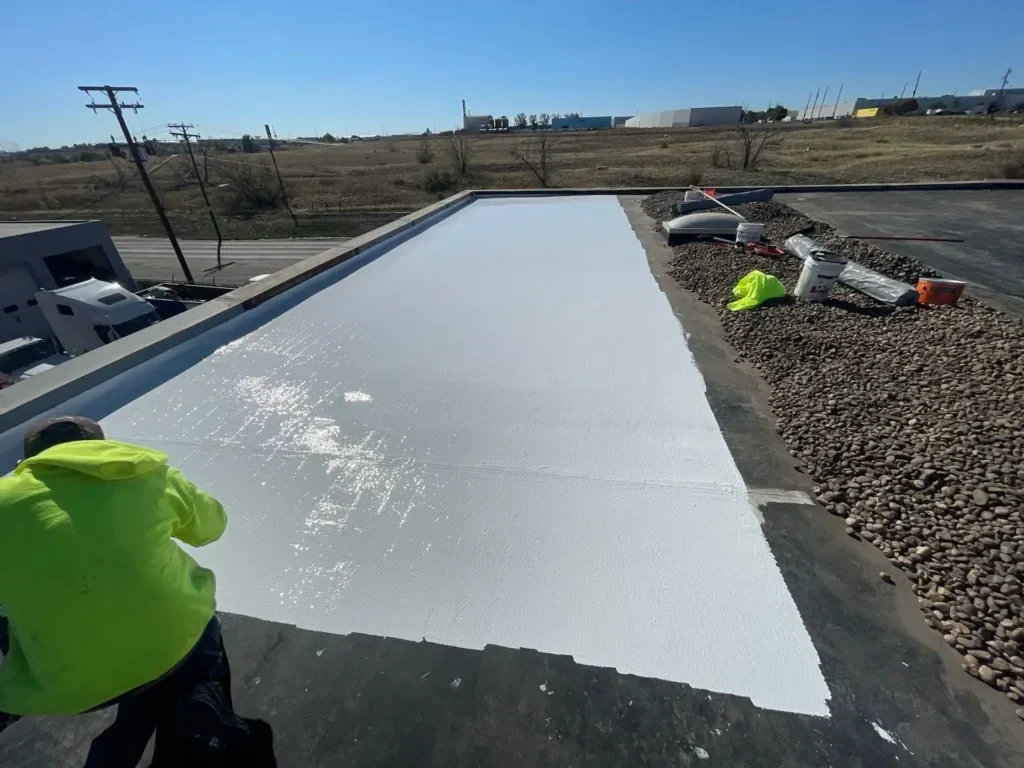

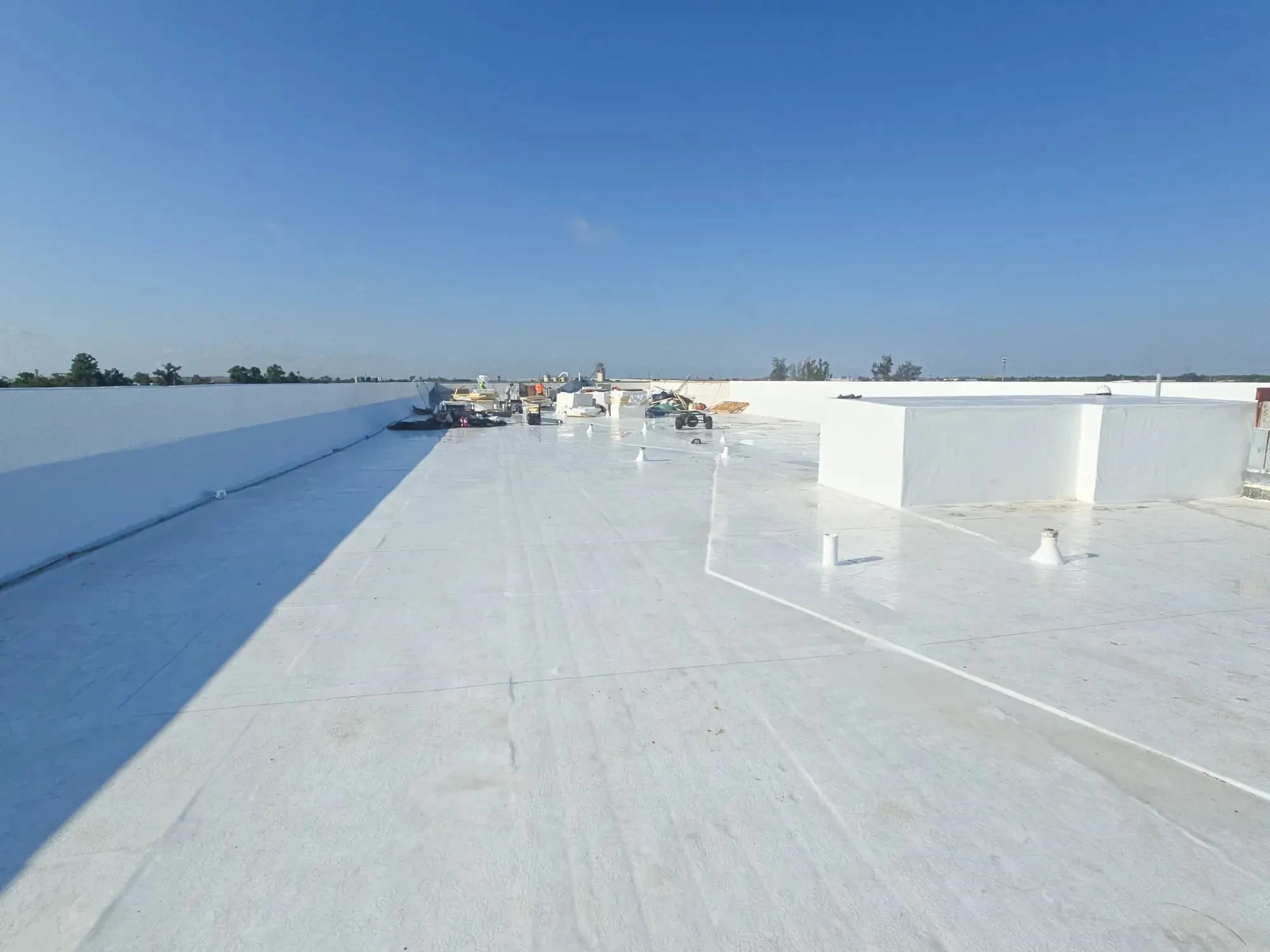
SBS Modified Bitumen for Critical-Occupancy Buildings
Multi-ply SBS modified bitumen is what we specify most often on buildings where roof redundancy matters more than material cost: hospitals, government facilities near the Capitol complex, and other critical-occupancy buildings where an interruption from a roof leak carries consequences beyond a single tenant's inconvenience.
Multi-Ply Redundancy for Critical-Occupancy Buildings
A base ply and cap sheet, each contributing independent waterproofing, gives an SBS assembly a built-in redundancy that single-ply membranes don't offer in the same way. If the cap sheet develops a localized issue, the base ply is still doing its job underneath, buying time for repair without an active leak into occupied space below.
That redundancy is why we lean toward SBS on hospital roofs near the Penn State Health Milton S. Hershey Medical Center campus and on state office buildings downtown, where roof access for emergency repair can be complicated by security protocols or occupied-space disruption that owners want to minimize.
The same logic applies to K-12 school buildings and higher-education facilities in the market, where a mid-semester leak into a classroom or lab space creates disruption well beyond the cost of the repair itself, and where a facilities director values the extra buffer a multi-ply system provides.
Application Methods: Torch, Hot-Asphalt, Cold-Adhesive, and Self-Adhered
Torch-applied SBS uses an open flame to melt the modified bitumen backing as it's rolled into place, which produces a strong bond but requires strict fire-safety protocols on occupied buildings, particularly near existing insulation or combustible substrates. On hospital and government projects where an open flame near an occupied building isn't acceptable, we specify cold-adhesive or self-adhered SBS instead.
Hot-asphalt (kettle) application is still used on larger built-up-style scopes where a contractor is combining SBS cap sheet with traditional asphalt-mopped base plies, though it's less common than it once was given the labor and equipment involved. The application method gets decided early in design, driven primarily by the building's occupancy and fire-safety constraints rather than by cost alone.
Self-adhered SBS has closed much of the performance gap with torch and hot-asphalt application in recent years, and on projects where fire-watch logistics are difficult to coordinate, it's often our first recommendation rather than a fallback compromise.
Ambient temperature affects self-adhered SBS installation the same way it affects EPDM adhesive: there's a minimum application temperature the manufacturer specifies, which factors directly into how we schedule these projects through a Central Pennsylvania fall or spring rather than pushing into the coldest winter weeks.
Granule Cap Sheets and Long-Term UV Exposure
The mineral granules embedded in an SBS cap sheet do two jobs: they protect the underlying bitumen from UV degradation, and they give the roof surface some impact resistance against hail and foot traffic. Granule loss over time is normal and expected, but the rate of loss is a useful indicator during roof inspections of how much service life remains.
Before we finalize a cap-sheet product on a given project, we walk through the granule and reflectance specifications with the owner:
- Granule color and reflectance rating relevant to any cool-roof code requirement
- Granule embedment method and manufacturer-rated retention over the warranty term
- Cap-sheet thickness and its contribution to the overall assembly's fire rating
- Compatibility between the specified base ply and cap sheet from the same manufacturer
- Flashing membrane compatibility at parapets, curbs, and penetrations
Mixing cap sheet and base ply from different manufacturers is a common way warranty coverage gets denied later, so we keep the assembly within one manufacturer's approved system.
Base Flashing Detail Work on Complex Rooflines
Older institutional and government buildings in this market often carry rooflines with more penetrations, setbacks, and equipment curbs than a simple warehouse field, and base flashing detail work is where SBS installations succeed or fail. Every penetration, parapet transition, and expansion joint needs its own properly lapped and sealed flashing detail rather than a generic wraparound approach.
We document flashing details photographically as work proceeds on these projects, both for our own quality control and for the closeout package the building's facilities team keeps on file for future reference.
On a government building where the same facilities team may not be the one calling us back in ten years, that photographic record has real value: it gives whoever inspects the roof next a starting point for understanding what's original construction versus what's been modified since.
SBS Modified Bitumen: What Building Owners Ask
Is torch-applied SBS safe on an occupied building?
It can be, with proper fire-watch protocols, but many hospital and government facilities prohibit or restrict open-flame roofing work. We specify cold-adhesive or self-adhered application on projects where that's a concern.
How does SBS compare to single-ply membrane on cost?
Multi-ply SBS systems generally cost more than single-ply TPO or EPDM due to material layering and labor, but the redundancy can be worth that premium on buildings where leak consequences are severe.
Can SBS modified bitumen be repaired without replacing the whole roof?
Yes, localized cap-sheet damage can often be patched without disturbing the base ply, which is one of the practical advantages of the multi-ply approach on an aging roof.
What's the typical service life of an SBS roof in this climate?
Well-installed SBS systems with proper flashing detail commonly reach 20 years or more of service, with granule loss and flashing condition as the leading indicators of remaining life during periodic inspection.
Does SBS handle Pennsylvania's snow load as well as single-ply membranes?
Snow load capacity is primarily a structural and drainage question rather than a membrane-type question. Both SBS and single-ply systems need drainage and structural design matched to the local ground snow load.