
Commercial Roofing Services
Commercial Roofing
Harrisburg, PA
Harrisburg, PA
Standing Seam Metal Roofing in Harrisburg, PA
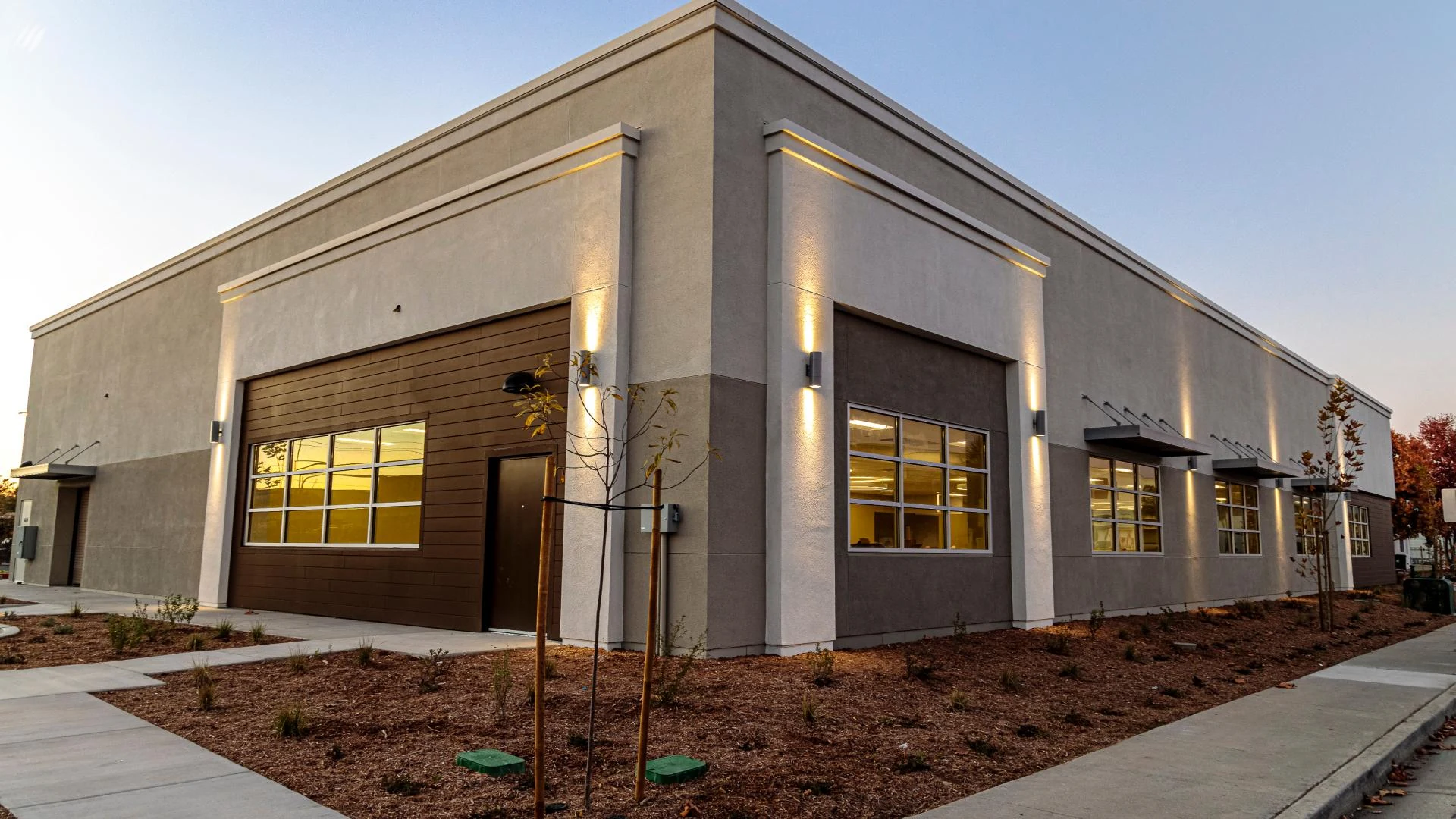
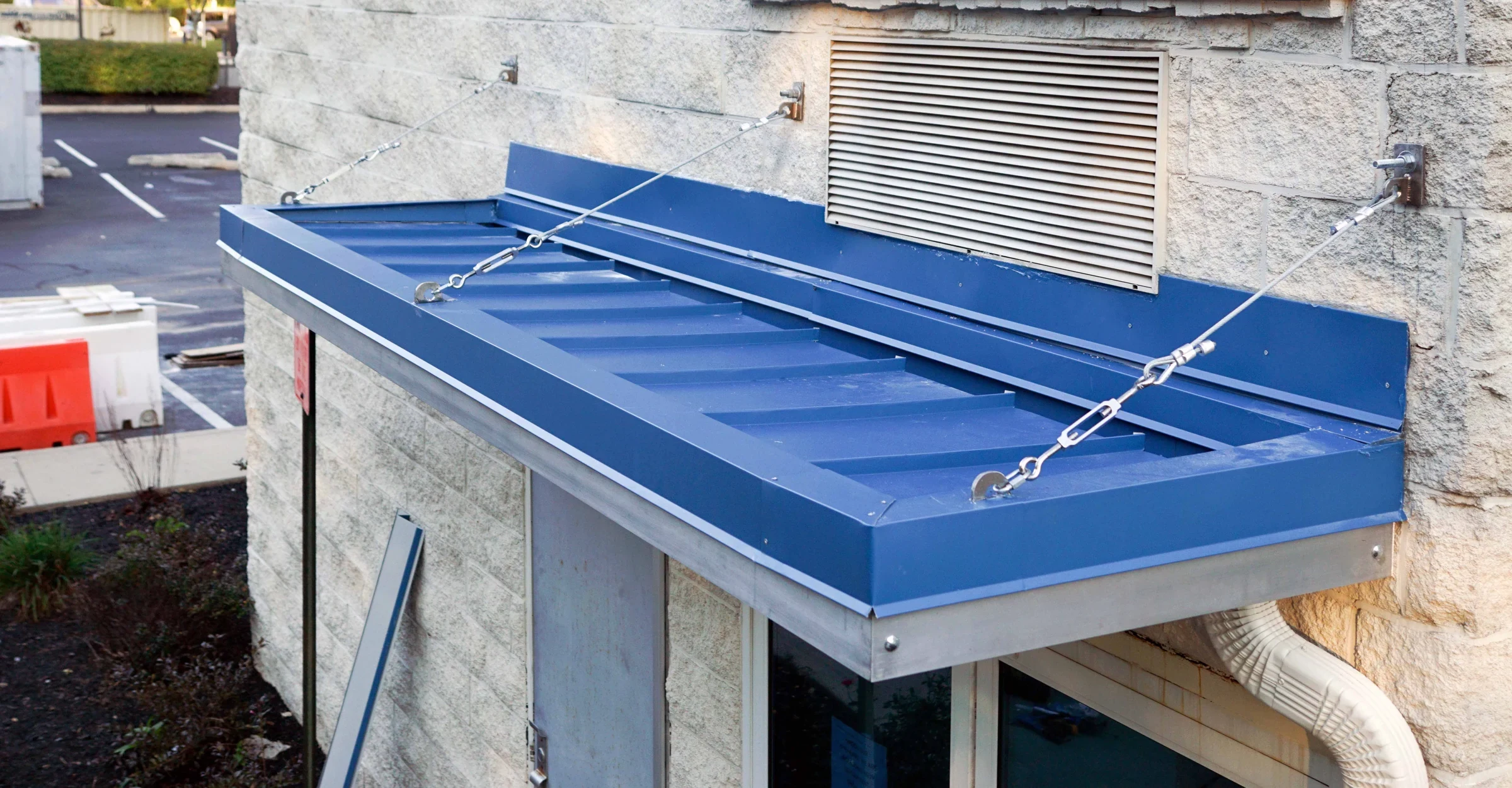
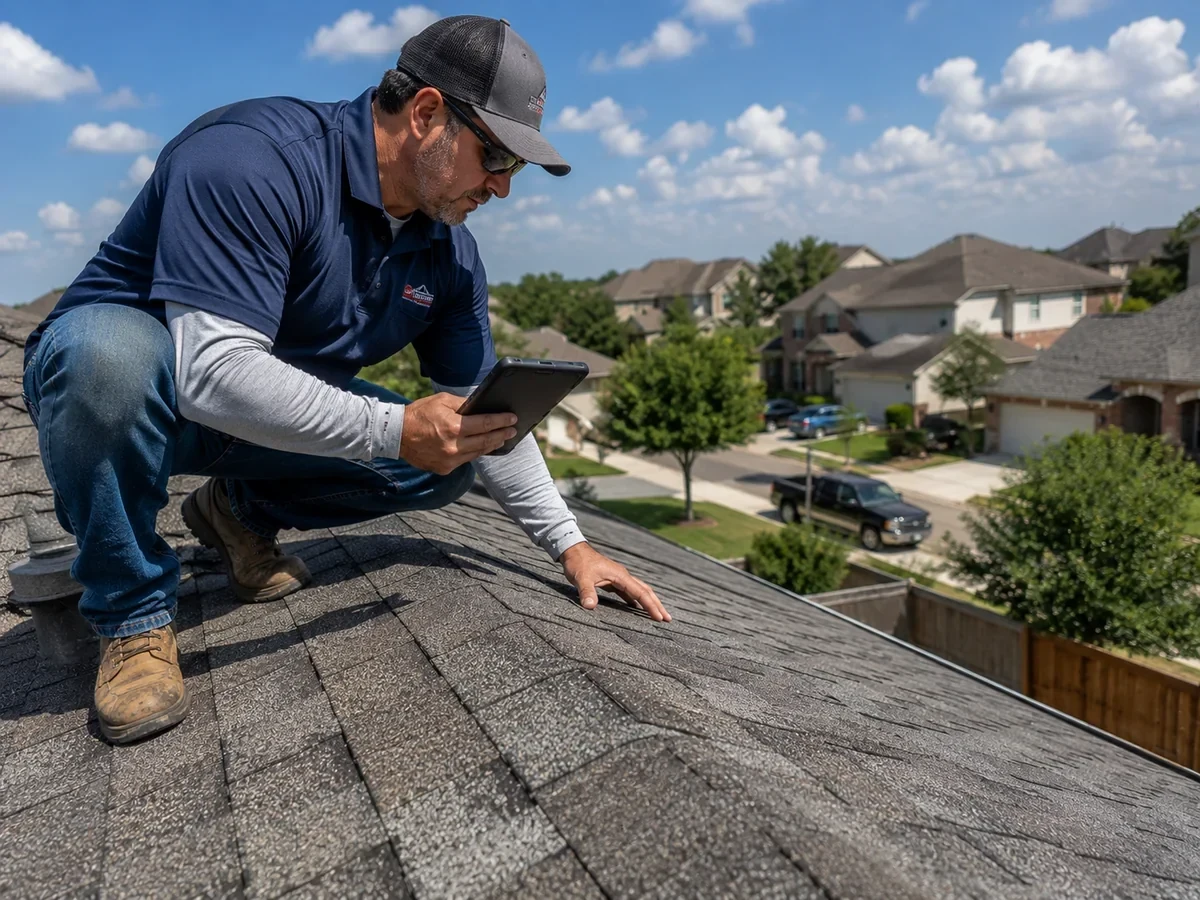
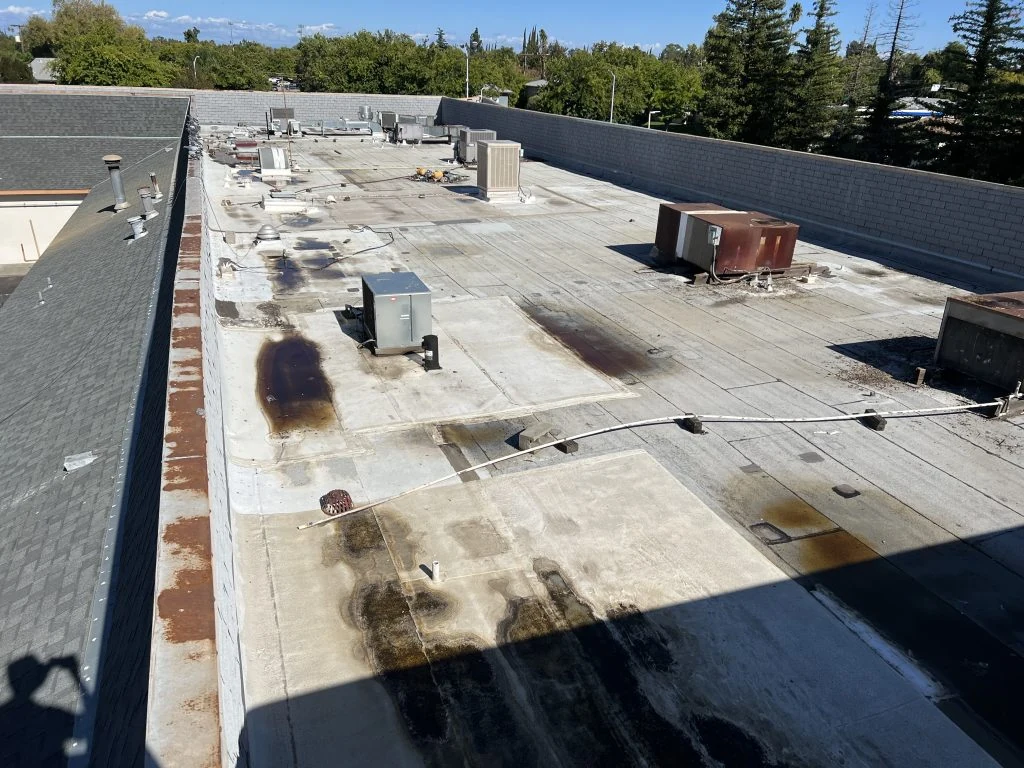
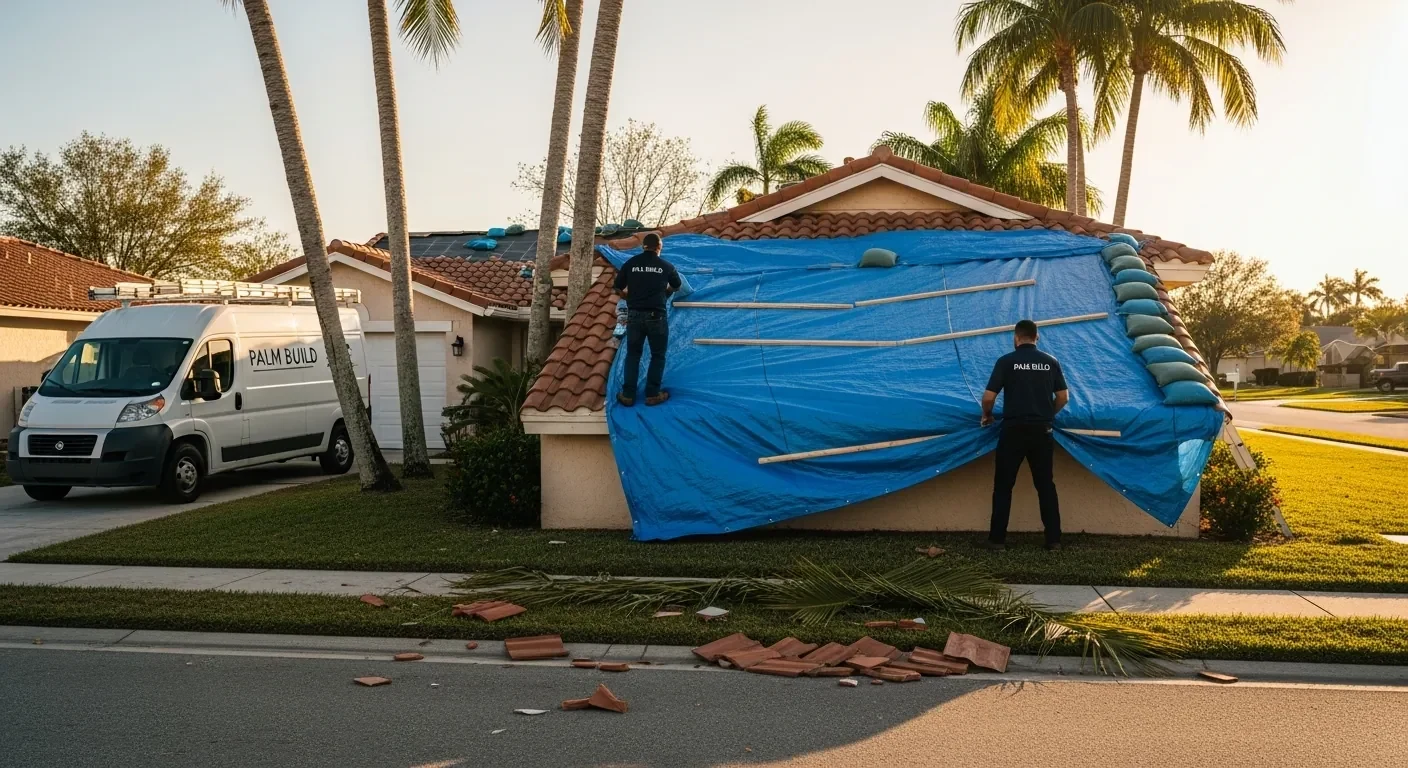
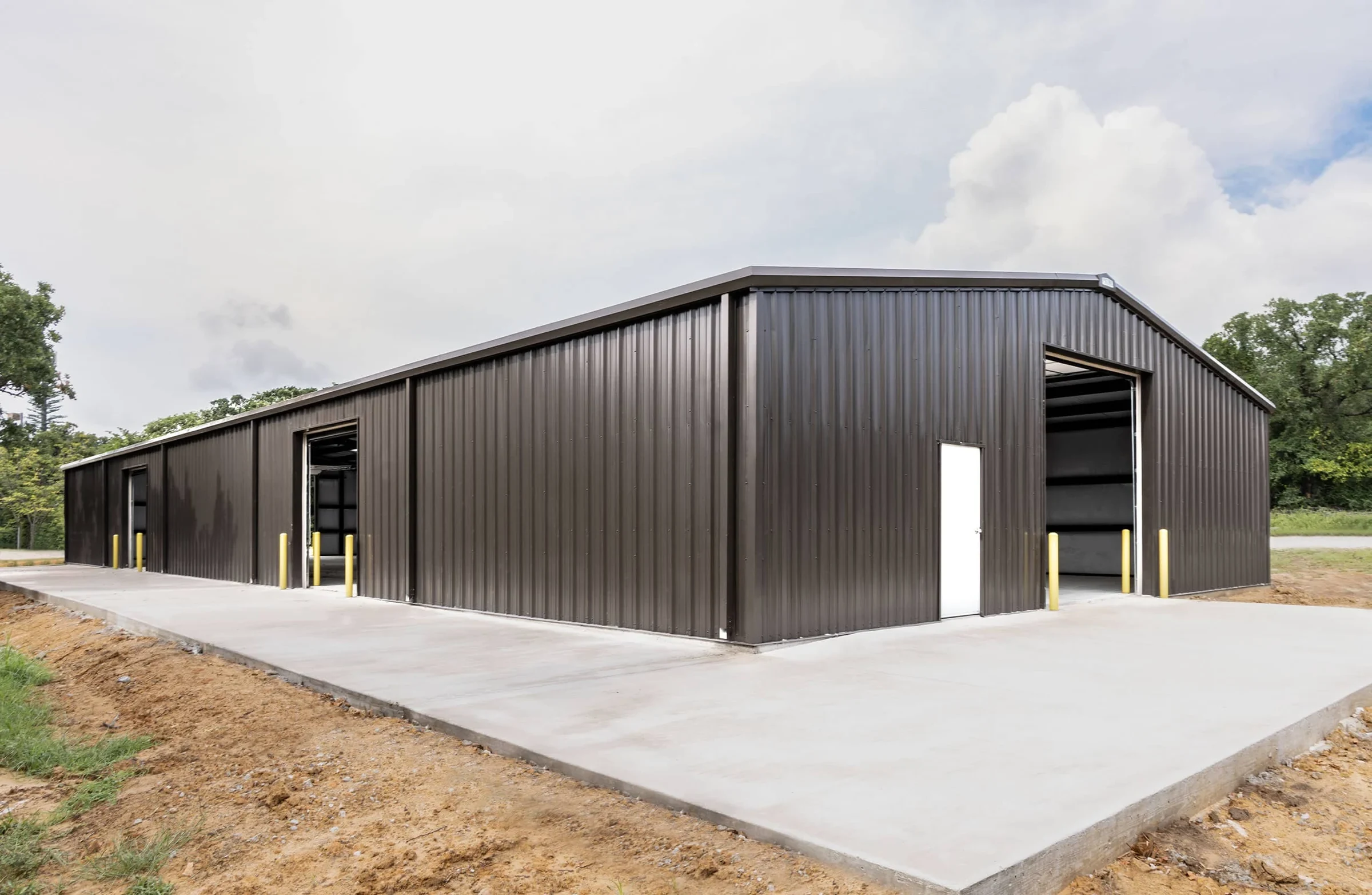
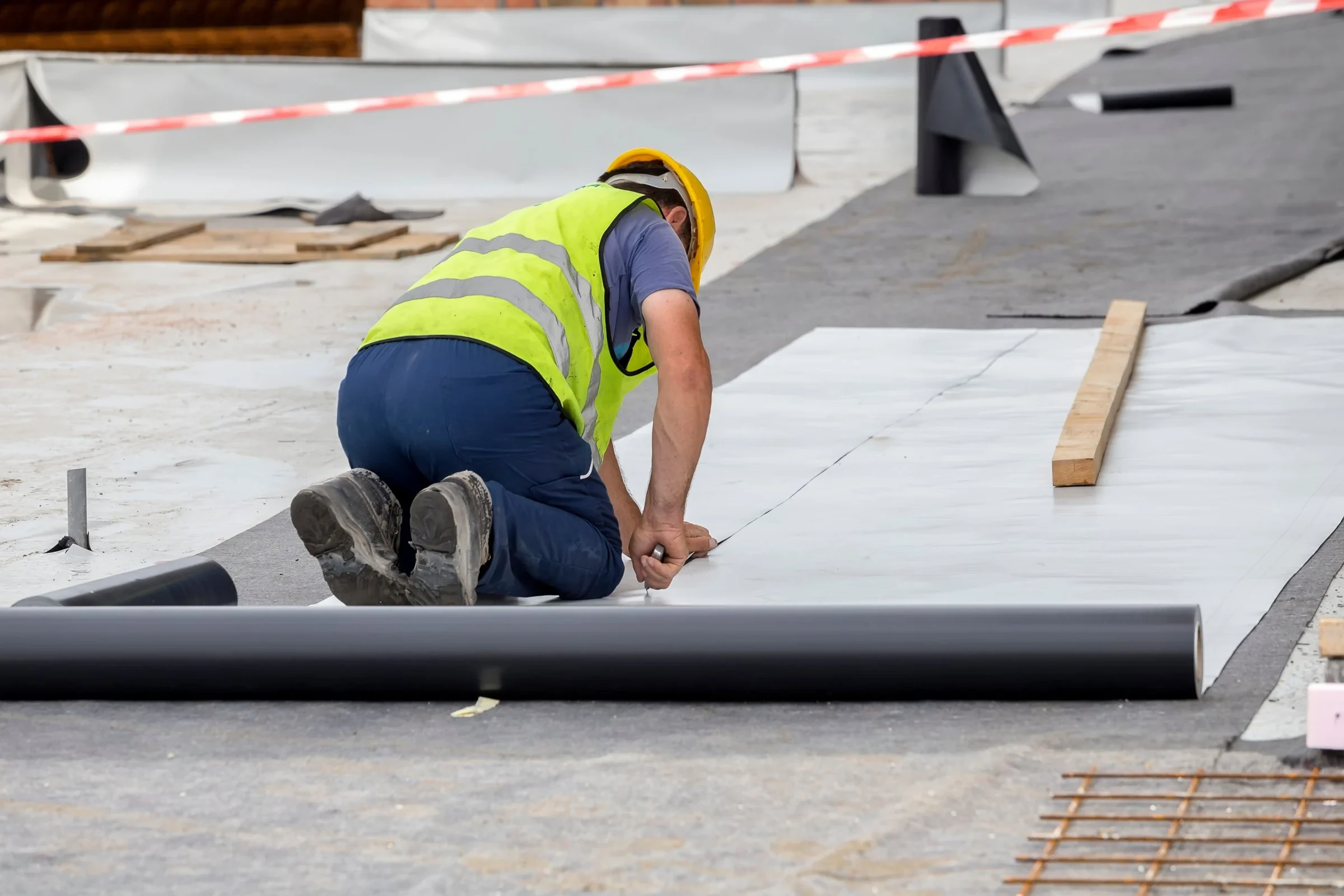
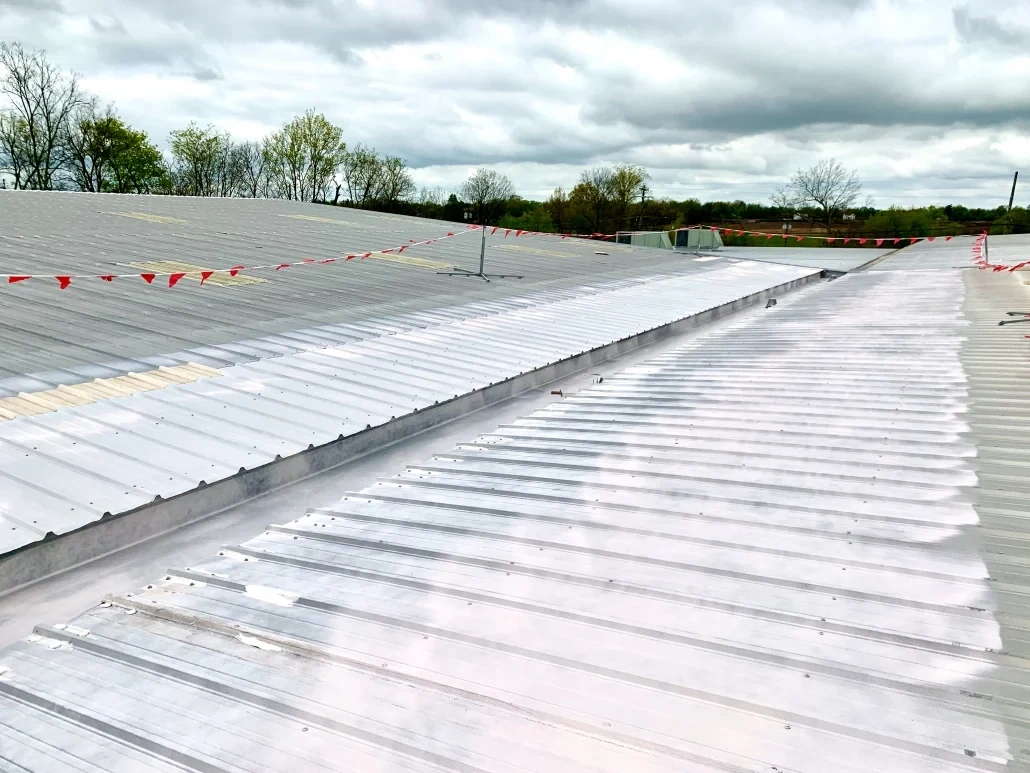
Standing Seam Metal for Buildings Where Appearance and Performance Both Matter
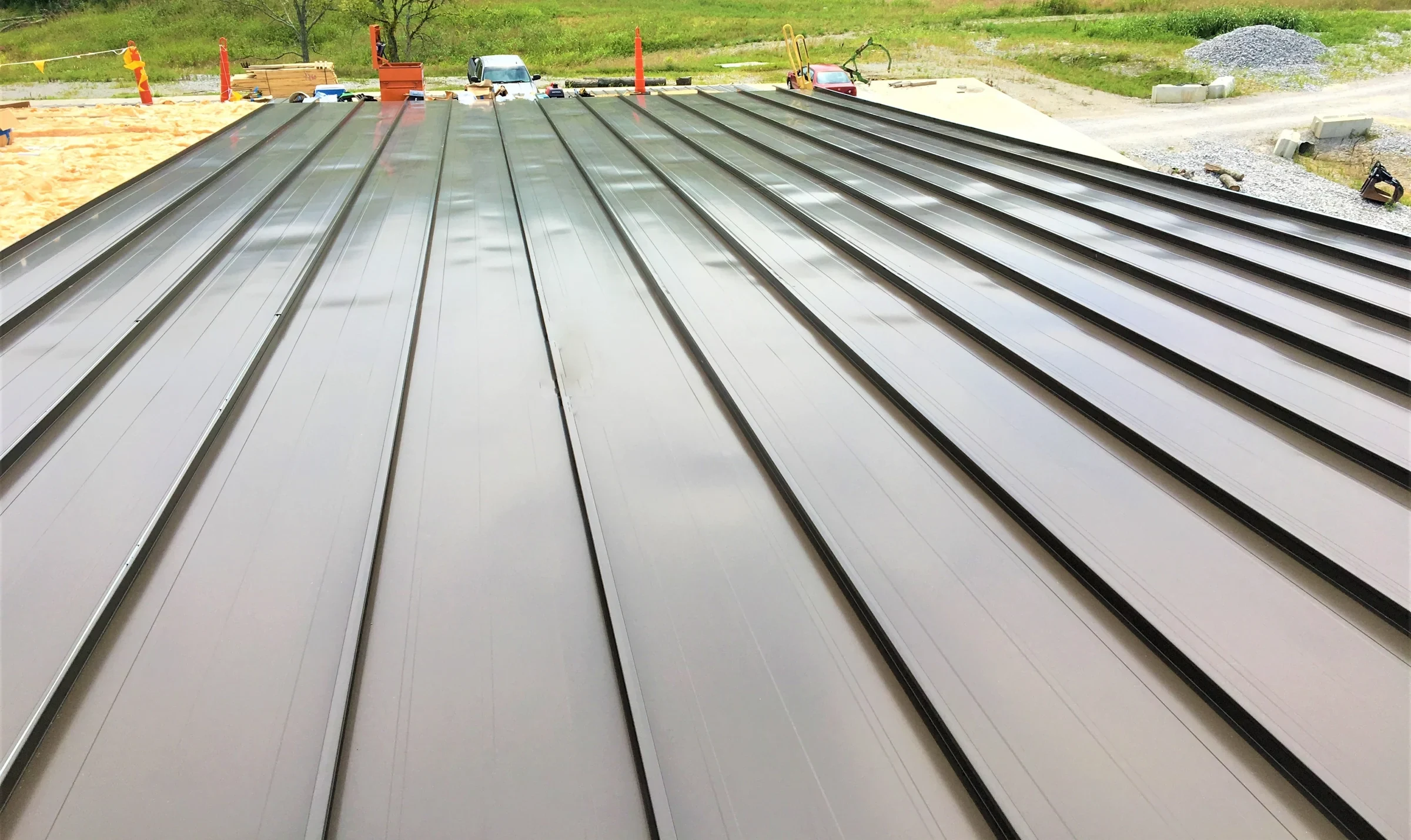
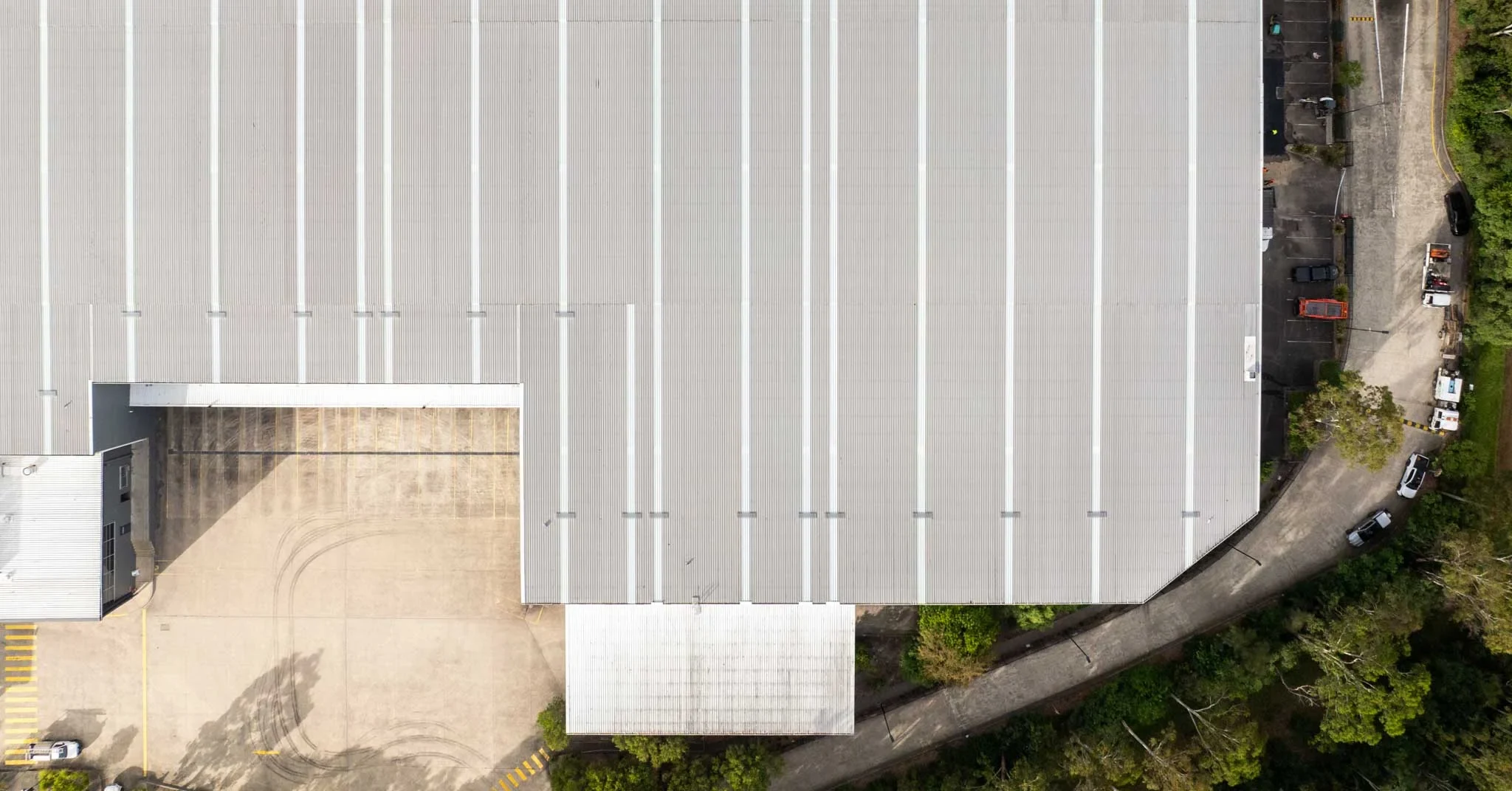
Standing seam is the system we specify when a building's roof is visible and part of its public presentation, not tucked behind a parapet where nobody looks. That covers hospitality buildings near Hersheypark's entertainment district, medical office buildings along the West Shore, and municipal buildings where a metal roof's clean architectural lines are part of the design intent, not an afterthought.
Concealed Fastener Systems and Thermal Movement
Standing seam panels use hidden clips rather than exposed fasteners punched through the panel face, and those clips are engineered to let the panel expand and contract with temperature swings without tearing loose or oil-canning. Central Pennsylvania's temperature range across a full year, from summer heat on a dark-colored panel to deep winter cold, puts real thermal cycling stress on a metal roof, and clip spacing and floating-clip design have to account for that movement or the panels will eventually show buckling at the seams.
Snow Retention Where Pedestrians Walk Below
A standing seam roof sheds snow far more readily than a shingled or membrane roof, which is a selling point in most contexts and a liability in others. On buildings with entrances, walkways, or outdoor seating directly below a metal roof edge, snow retention systems become a real safety requirement, not an optional upgrade. We spec snow guards or rail-based retention systems on any project where pedestrian traffic passes under a roof edge during winter months, a real consideration for buildings near Hersheypark's hospitality core and Boiling Springs' village-scale retail where sidewalks sit close to building fronts.
Kynar and PVDF Finishes for Long-Term Color Retention
Panel finish matters as much as panel gauge on a building where the roof is a visible design element. Kynar 500 and comparable PVDF-based coatings hold color and chalk resistance far longer than standard painted finishes, which matters on institutional and hospitality buildings expected to look presentable for decades, beyond structural performance alone. We specify finish grade based on how visible the roof actually is and how long the owner expects the color to hold before repainting or recoating becomes a consideration.
- Concealed fastener clip systems engineered for thermal movement
- Snow retention specified anywhere pedestrians pass under a roof edge
- Kynar 500 and PVDF finishes for long-term color retention
- Panel gauge matched to span, wind exposure, and expected service life
- Copper, zinc, and painted steel and aluminum options by budget and design intent
- Flashing and ridge detail fabricated to match panel profile exactly
Panel Gauge and Wind Exposure on Exposed Sites
Buildings on more exposed sites, including hillside and open-field locations around Boiling Springs and the ridge areas near Mount Holly Springs, see higher sustained wind loads than sheltered downtown buildings do, and panel gauge and clip spacing need to reflect that exposure rather than a single standard spec applied everywhere. We pull wind design data specific to the site's exposure category before finalizing gauge and attachment spacing, particularly on any project at elevation or in an open, unsheltered location.
Material Choice: Steel, Aluminum, Copper, and Zinc
Painted steel is the standard material on most standing seam projects in this market, offering the best balance of cost and performance for institutional and hospitality buildings. Aluminum resists corrosion better on sites with drainage or moisture exposure concerns and doesn't require the galvanized coating steel depends on for corrosion resistance. Copper and zinc appear occasionally on higher-visibility civic or historic-adjacent buildings near the Capitol complex where the patina finish and multi-generation service life justify the material premium, though these remain the exception rather than the standard recommendation. Painted steel and aluminum both perform well through this region's freeze-thaw cycling and snow load when properly detailed, and the bigger factor in long-term performance is usually clip design and installation quality rather than the base metal choice itself.
Where Oil-Canning Comes From and How Installation Quality Prevents It
Oil-canning, the wavy distortion visible on flat panel areas under certain lighting, comes from thermal stress and substrate irregularity rather than a defect in the metal itself. Proper clip spacing, panel striations rolled into the flat pan, and substrate flatness at installation all reduce it significantly, though some degree is inherent to flat metal panels and shows up even on well-installed roofs under low-angle sunlight. We set client expectations on this during the proposal stage, since oil-canning is a cosmetic characteristic of the panel type rather than a workmanship failure in most cases, and striated panel profiles are available where an owner wants to minimize its visibility further.
Standing Seam Questions From Building Owners
How does standing seam compare in cost to a membrane roof?
Standing seam generally costs more upfront than TPO or EPDM, but its expected service life often runs decades longer with proper maintenance, which changes the lifecycle cost comparison substantially for owners planning to hold the building long-term.
Do you need snow guards on every standing seam roof?
No, only where snow sliding off the roof edge could hit pedestrians, vehicles, or lower roof sections. We evaluate the specific building layout before recommending retention hardware.
Can standing seam be installed over an existing low-slope membrane roof?
Sometimes, using a retrofit framing system that creates the slope for a metal roof over an existing flat structure, though this depends heavily on the building's structural capacity and roof geometry. It needs project-specific engineering review.
How does snow retention get positioned on a standing seam roof?
Placement follows the roof's slope, eave length, and where pedestrians or vehicles pass below. We typically distribute snow guards across the lower panel courses in a pattern engineered to hold accumulated snow in place rather than letting it release in a single mass at the eave.
How often does a standing seam roof need maintenance?
Far less than a membrane roof, but annual inspection of fastener clips, sealant at penetrations, and gutter or drainage components keeps small issues from becoming bigger ones over the system's long service life.